Posted by Admin on 27-02-2025 in Shiksha hub
Ph.D. From Homoeopathy University : Introduction, Fee Structure, Admission Process, Documents, Syllabus, Research Methodology, University Highlights, Scholarship, FAQs
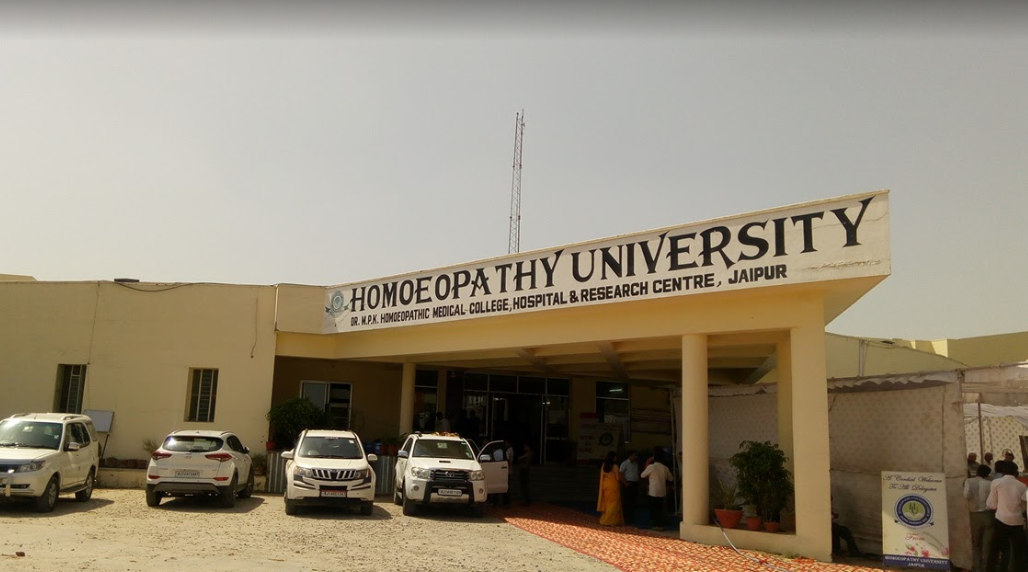
Introduction about Ph.D. From Homoeopathy University
Homoeopathy University in Rajasthan stands as one of the leading institutions dedicated to the research and advancement of homeopathic medicine and related fields. Pursuing a Doctor of Philosophy (Ph.D.) here is an opportunity to dive deep into specialized areas of homoeopathy, contribute to groundbreaking discoveries, and elevate the quality of healthcare services. Over the years, Homoeopathy University has become a hub for scholars who wish to integrate traditional wisdom with modern scientific methodologies. Its primary goal is to provide an environment that fosters critical thinking, in-depth analysis, and innovative research, thereby creating a new generation of homeopathic professionals well-versed in both clinical and academic spheres.
A Ph.D. from Homoeopathy University is not merely about obtaining a degree; it is a transformative journey that shapes researchers into future educators, practitioners, and policy-makers in the field of homeopathic medicine. The university's approach emphasizes a balance between theoretical understanding and hands-on practice, ensuring that students not only grasp the fundamental principles of homoeopathy but also learn to apply these principles in real-world scenarios. Through its well-structured curriculum and research-oriented modules, the institution encourages students to collaborate, discuss, and debate various theories, all while honing their own research skills and scientific reasoning.
The program typically spans three to five years, offering candidates the flexibility to pursue areas of specialization that align with their career goals and research interests. From in-depth clinical studies on specific remedies to exploring the underlying mechanisms that make homoeopathy effective, the scope for exploration is vast. Homoeopathy University prides itself on a robust academic culture, supported by qualified faculty members who provide mentorship and guidance at every stage of the doctoral journey. This holistic support system ensures that candidates not only excel academically but also develop leadership, communication, and analytical skills essential for future success.
Moreover, the university’s extensive network of partnerships with healthcare organizations, research centers, and other academic institutions offers ample opportunities for interdisciplinary collaboration. Students can engage in joint projects, workshops, and seminars, which broaden their perspective and expose them to new research methodologies and technological advancements. By the time candidates complete their Ph.D., they are well-prepared to take on roles as researchers, professors, clinicians, or innovators in the broader field of homoeopathy, both in India and internationally.
Fee Structure for Ph.D. in Homoeopathy University
| Particulars | Tuition Fee Per Year (INR) | Registration (INR) | Total Fee (Approx.) |
|---|---|---|---|
| Year 1 | 80,000 | 10,000 | 90,000 |
| Year 2 | 80,000 | -- | 80,000 |
| Year 3 | 80,000 | -- | 80,000 |
| Total | -- | -- | 2,50,000 (Approx.) |
Note: The above fee structure is an approximate outline. Additional costs such as hostel charges, library fees, exam fees, and other miscellaneous expenses may apply. Prospective students are advised to confirm the latest fee details directly from the official university website or admission office.
Admission Process For Ph.D. in Homoeopathy University
The admission process for the Ph.D. program at Homoeopathy University is designed to identify candidates who demonstrate both academic excellence and a passion for homeopathic research. Typically, the university follows a systematic approach to ensure transparency and fairness in selecting the right candidates for the doctoral program. Below is an overview of the steps involved:
- Obtain the application form from the official university website or the admission office.
- Fill out the form accurately, providing personal details, educational background, and research interests.
- Attach all required documents, including mark sheets, degree certificates, and proof of identification.
- Submit the application form along with the prescribed application fee before the deadline.
- Shortlisted candidates are notified and may be called for a written test or an entrance examination.
- Successful applicants from the entrance test may be required to appear for a personal interview or viva-voce.
- Final selection is based on academic performance, research proposal quality, entrance test scores, and interview performance.
- Once selected, candidates must complete the enrollment formalities, including payment of fees and document verification.
Document Required For Ph.D. in Homoeopathy University
Applicants must ensure they have all the necessary documents ready before applying to the Ph.D. program. Having a complete set of documents helps expedite the admission process. Below is a list of commonly required documents:
- Completed Ph.D. application form
- Proof of date of birth (Birth Certificate or 10th mark sheet)
- Mark sheets and degree certificates of all previously completed qualifications (Bachelor’s and Master’s)
- Transfer Certificate (TC) and Migration Certificate (if applicable)
- Entrance exam scorecard (if the university conducts or accepts a specific entrance test)
- Research proposal or statement of purpose outlining your research interests
- Recent passport-sized photographs
- Photo identification (Aadhaar Card, Passport, or Driver’s License)
- Category or reservation certificates (if applicable)
- Any other documents specified by the university at the time of application
Homoeopathy University Ph.D. Syllabus
| Semester/Year | Key Subjects/Modules | Description |
|---|---|---|
| Year 1 (Semester 1) | Advanced Homeopathic Philosophy | Explores the foundations of homeopathic principles, historical evolution, and contemporary interpretations. |
| Year 1 (Semester 2) | Research Methodology & Biostatistics | Covers scientific research methods, data collection, analysis, and ethical guidelines for human subjects. |
| Year 2 (Semester 1) | Clinical Homeopathy | Focuses on the application of remedies in clinical settings, patient case studies, and remedy selection. |
| Year 2 (Semester 2) | Review of Literature & Thesis Proposal | Students conduct extensive literature reviews and finalize their research proposal under faculty guidance. |
| Year 3 (Semester 1) | Advanced Research & Thesis Work | Emphasizes data collection, experimental design, and preliminary findings related to the Ph.D. thesis. |
| Year 3 (Semester 2) | Thesis Completion & Defense | Involves the final writing of the thesis and preparation for the oral defense or viva-voce. |
Note: The above syllabus structure is a general outline. Actual course offerings and scheduling may vary based on the university’s guidelines and your chosen research specialization.
Homoeopathy University Research Methodology
- Formulating a Research Question: Students begin by identifying a significant gap in the existing homeopathic literature or clinical practice, thereby shaping a clear, concise research question.
- Literature Review: Extensive reading of peer-reviewed journals, case studies, and classical homeopathic texts to build a strong theoretical framework.
- Research Design & Approach: Selection of quantitative, qualitative, or mixed methods research designs, depending on the nature of the investigation.
- Data Collection Techniques: Utilizing interviews, surveys, laboratory tests, clinical trials, or observational studies to gather relevant data.
- Data Analysis & Interpretation: Application of statistical tools, thematic analysis, or other relevant methods to interpret results accurately.
- Ethical Considerations: Ensuring compliance with institutional and national ethical guidelines, especially when dealing with human subjects.
- Documentation & Reporting: Maintaining comprehensive records, drafting interim reports, and finalizing the thesis for defense.
Homoeopathy University Highlights
| Feature | Details |
|---|---|
| Establishment | Founded to promote advanced research in homeopathic medicine, combining traditional wisdom with modern science. |
| Location | Situated in the culturally rich state of Rajasthan, providing a conducive academic environment. |
| Accreditation | Recognized by relevant educational and healthcare bodies in India for awarding Ph.D. degrees. |
| Research Facilities | Well-equipped labs, digital libraries, and clinical setups for practical learning and experimentation. |
| Faculty | Experienced professors, researchers, and clinicians specialized in various domains of homeopathy. |
| Collaboration | Active tie-ups with research organizations, healthcare institutions, and international universities. |
| Curriculum | Comprehensive blend of theoretical modules, practical training, and research-based assignments. |
| Student Support | Mentorship programs, career guidance, and workshops to foster professional development. |
| Extra-Curricular | Seminars, conferences, and events to encourage holistic learning and networking. |
| Placement Assistance | Guidance for roles in academia, research institutions, and clinical practice upon program completion. |
How To Apply For Ph.D. in Homoeopathy University
- Check Eligibility: Visit the official website to review the eligibility criteria for the Ph.D. program, ensuring you meet the required academic qualifications.
- Obtain Application Form: Download the form from the university website or collect it in person from the admission office.
- Fill Out Details: Complete all sections accurately, including personal, educational, and contact information. Attach a passport-sized photograph where required.
- Prepare Documents: Keep all academic transcripts, degree certificates, ID proofs, and research proposals ready. Ensure you have both hard and soft copies.
- Submit Application: Submit the filled-out form and required documents along with the application fee before the deadline. You may do this online or in person, depending on the university’s guidelines.
- Entrance Test (If Applicable): Appear for the entrance exam conducted by the university or a recognized body. Check the official website for syllabus and exam dates.
- Personal Interview: If shortlisted, you will be called for an interview or viva-voce. Prepare to discuss your research interests and academic background.
- Selection & Enrollment: Upon selection, complete the enrollment process, including fee payment and document verification, within the stipulated time.
- Orientation & Coursework: Attend the orientation session and begin your Ph.D. coursework as per the university schedule.
Courses After Ph.D. in Homoeopathy University
- Post-Doctoral Research Programs: Further deepen your expertise in a specialized area of homeopathy through advanced research.
- Fellowship Programs: Join national or international fellowship initiatives focusing on clinical or theoretical aspects of homeopathy.
- Diploma in Allied Health Sciences: Diversify your skill set with diplomas in subjects like nutrition, psychology, or public health.
- Certificate Courses in Specialized Homeopathic Techniques: Short-term programs that focus on new techniques or emerging trends in homeopathy.
- Professional Development Workshops: Participate in workshops and seminars aimed at enhancing teaching skills, research methodologies, and clinical practices.
Homoeopathy University Scholarship
Pursuing a Ph.D. can be financially challenging for many students. Homoeopathy University acknowledges this reality and offers several scholarship opportunities to support deserving candidates. These scholarships aim to encourage academic excellence and innovative research in the field of homeopathy. In many cases, scholarships are awarded based on a combination of academic merit, research proposal strength, and financial need. Students are encouraged to apply for these scholarships as early as possible, as the number of awards and the amount of funding can be limited. Some scholarships are partially funded, covering a portion of the tuition fee, while others may offer a more comprehensive financial package that includes a stipend for living expenses and research-related costs. In addition to the university’s own scholarship programs, there are external grants and fellowships offered by government bodies, private organizations, and philanthropic institutions dedicated to the advancement of alternative medicine and healthcare research. These external sources can provide an additional layer of financial security, enabling scholars to focus on their research without the burden of financial constraints.
To apply for scholarships, students usually need to submit a separate application along with their Ph.D. admission form. This application often includes a detailed research proposal, letters of recommendation, and a statement of purpose explaining how the scholarship will help them achieve their academic and professional goals. The university’s scholarship committee evaluates applications based on criteria such as the applicant’s academic record, the feasibility and relevance of the proposed research, and the potential impact of the study on the broader field of homeopathy. Once awarded, scholarship recipients may be required to maintain a certain GPA, present their research progress in departmental seminars, or fulfill other obligations as stipulated by the scholarship’s terms. Below are a few highlights of potential scholarships available:
- University Merit Scholarships: Awarded to students with exceptional academic records and promising research proposals.
- Government-Funded Grants: Provided through state or central government initiatives aimed at promoting higher education in alternative medicine.
- Industry Partnerships: Collaborations with healthcare or pharmaceutical companies that sponsor students working on relevant research projects.
- Private Endowments: Contributions from alumni or philanthropic organizations specifically allocated for doctoral students in homeopathy.
Homoeopathy University FAQ's Regarding Ph.D.
- Q1: What is the duration of the Ph.D. program at Homoeopathy University?
A1: The duration typically ranges from three to five years, depending on the nature of your research and the time required to complete your thesis. - Q2: Can I pursue the Ph.D. program part-time?
A2: Part-time enrollment options may be available for working professionals, subject to university regulations and supervisory approval. - Q3: Are there any entrance exams required for admission?
A3: The university may conduct its own entrance test or accept scores from recognized exams. Always check the latest admission guidelines on the official website. - Q4: Is a Master’s degree mandatory for applying?
A4: Yes, applicants generally need a postgraduate degree in homeopathy or a related field to be eligible for the Ph.D. program. - Q5: What is the medium of instruction for the Ph.D. program?
A5: English is typically the medium of instruction, although some courses or seminars may be conducted in other languages if specified. - Q6: Does the university provide hostel facilities?
A6: Yes, on-campus accommodation is often available for outstation students. However, availability may be limited, so early application is recommended. - Q7: Can international students apply for the Ph.D. program?
A7: Absolutely. International applicants should verify visa requirements and additional documentation needed for studying in India. - Q8: Are scholarships available for all Ph.D. students?
A8: Scholarships are awarded based on merit, financial need, and available funding. Not all students may receive scholarships, but multiple avenues for financial aid exist. - Q9: What career opportunities are available after completing a Ph.D. from Homoeopathy University?
A9: Graduates can explore careers as researchers, academics, clinical practitioners, policy advisors, or consultants in healthcare and research institutions. - Q10: How important is a research proposal for the admission process?
A10: The research proposal is a critical component. It outlines your research objectives, methodology, and expected outcomes, serving as a basis for faculty evaluation and guidance.
How Shiksha Hub helps you in
-
 Student Counsellors
 -
 Career Counseling
 -
 Research
 -
 24/7 Support
 -
 Scholarships
 -
 Community