Posted by Admin on 26-09-2023 in Shiksha hub
M.D.S. Oral and Maxillofacial Surgery Introduction, Admission, Registration, Eligibility, Duration, Fees, Syllabus 2024
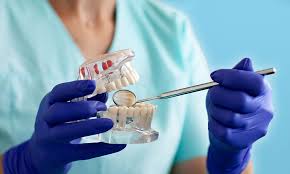
Introduction about M.D.S. ORAL AND MAXILLOFACIAL SURGERY:
M.D.S. in Oral and Maxillofacial Surgery is a specialized postgraduate dental program that focuses on surgical interventions related to the oral cavity, jaw, face, and head. This field combines dentistry and medicine to diagnose and treat a wide range of oral and maxillofacial conditions, including dental extractions, facial trauma, oral cancer, orthognathic surgery, and more. Oral and Maxillofacial Surgeons are highly skilled professionals who perform surgical procedures to improve oral and facial health, function, and aesthetics.
These specialists are trained to handle complex cases that involve the hard and soft tissues of the oral and maxillofacial region. This can include procedures like dental extractions, dental implants, cleft lip and palate repair, jaw surgery, management of oral pathology, and facial reconstructive surgery. The M.D.S. program in Oral and Maxillofacial Surgery equips students with the knowledge and surgical skills necessary to excel in this demanding and rewarding field of dentistry.
In addition to clinical expertise, Oral and Maxillofacial Surgeons often collaborate with other healthcare professionals, such as orthodontists, oncologists, and plastic surgeons, to provide comprehensive care to their patients. This specialty is at the intersection of dentistry and medicine, making it a vital component of overall healthcare, with a focus on oral and facial well-being. Graduates of this program are well-prepared to diagnose, manage, and treat a broad spectrum of conditions related to the oral and maxillofacial regions, contributing significantly to the field of healthcare.
How can I Apply for admission to M.D.S. ORAL AND MAXILLOFACIAL SURGERY:
To apply for admission to the M.D.S. (Master of Dental Surgery) program in Oral and Maxillofacial Surgery, you can follow these general steps:
Check Eligibility Requirements:
Ensure you meet the eligibility criteria for the program. Typically, you need to have a Bachelor of Dental Surgery (BDS) degree from a recognized institution.
Entrance Exam Preparation:
Many dental colleges and universities require candidates to qualify for a national or state-level entrance exam. Prepare for the entrance exam, such as NEET MDS (National Eligibility-cum-Entrance Test for MDS), by enrolling in coaching programs or using preparatory materials.
Select Institutions:
Research and shortlist dental colleges or universities offering the M.D.S. program in Oral and Maxillofacial Surgery. Consider factors like location, faculty, facilities, and reputation.
Online Registration:
Visit the official website of the institution you wish to apply to. Look for the admission section and follow the online registration process. You may need to create an account.
Fill Application Form:
Complete the application form with accurate personal and academic details. Be ready to upload necessary documents, such as your BDS degree certificate, internship completion certificate, and a passport-sized photograph.
Pay Application Fee:
Pay the application fee as specified by the institution. This fee typically covers the cost of processing your application.
Document Verification:
Some institutions may require you to attend an in-person document verification session. Make sure to bring all necessary documents for verification.
Appear for Entrance Exam:
Take the entrance exam on the scheduled date. Be well-prepared and perform to the best of your ability.
Merit List and Counseling:
After the entrance exam, institutions will release a merit list of qualified candidates. If you are shortlisted, participate in counseling sessions, where you can choose your preferred college and course.
Admission Confirmation:
Once you receive a seat allocation, follow the admission instructions provided by the institution. Pay the required fees and complete the admission process.
Commence the Program:
Attend the program's orientation and begin your studies in Oral and Maxillofacial Surgery.
What is the eligibility for M.D.S. ORAL AND MAXILLOFACIAL SURGERY:
The eligibility criteria for the M.D.S. (Master of Dental Surgery) program in Oral and Maxillofacial Surgery typically include the following:
Educational Qualifications:
You must have completed a Bachelor of Dental Surgery (BDS) degree from a dental college or institution that is recognized by the Dental Council of India (DCI) or the equivalent authority in your country.
Internship Completion:
In most cases, you are required to have completed a one-year compulsory rotating internship after obtaining your BDS degree. The internship should cover various clinical areas of dentistry.
Qualifying Entrance Exam:
You need to qualify for a national or state-level entrance exam, such as NEET MDS (National Eligibility-cum-Entrance Test for MDS). Your rank or score in this exam is a crucial factor in the admission process.
Eligibility Score:
Different institutions and universities may set specific eligibility score requirements in the entrance exam. You must meet or exceed the minimum qualifying score.
Registration with Dental Council:
It's essential to be registered with the State Dental Council or the Dental Council of India. This registration is typically required at the time of admission.
Citizenship or Residency:
Some institutions may have specific requirements related to citizenship or residency. Ensure you meet any such criteria specified by the institution you're applying to.
How long does it takes to complete a M.D.S. ORAL AND MAXILLOFACIAL SURGERY program:
The M.D.S. (Master of Dental Surgery) program in Oral and Maxillofacial Surgery typically takes three years to complete. This postgraduate program is designed to provide in-depth knowledge and extensive clinical training in the field of oral and maxillofacial surgery, which involves surgical procedures related to the oral cavity, jaw, face, and head.
During these three years, students undertake a rigorous curriculum that includes both didactic (classroom-based) and clinical components. They acquire the skills and expertise required to diagnose, treat, and manage a wide range of oral and maxillofacial conditions, including dental extractions, trauma management, orthognathic surgery, oral pathology, and facial reconstruction.
Students also gain hands-on experience by participating in surgical procedures, clinical rotations, and patient care. Successful completion of the program equips graduates with the necessary qualifications and skills to pursue a career as Oral and Maxillofacial Surgeons, offering surgical and dental care in a healthcare setting.
It's important to note that the program duration can vary slightly depending on the specific curriculum and requirements of the institution where you are enrolled. Therefore, it's advisable to check with the institution of your choice for the exact program duration and any additional details regarding the M.D.S. in Oral and Maxillofacial Surgery.
What are potential career opportunities after M.D.S. ORAL AND MAXILLOFACIAL SURGERY:
After completing an M.D.S. (Master of Dental Surgery) program in Oral and Maxillofacial Surgery, you can explore various career opportunities in the field of oral and maxillofacial surgery and related areas. Here are some potential career paths:
Oral and Maxillofacial Surgeon:
As an Oral and Maxillofacial Surgeon, you can work in hospitals, dental clinics, or private practices. You'll be responsible for diagnosing and treating a wide range of oral and maxillofacial conditions, including dental extractions, oral pathology, orthognathic surgery, and facial trauma management.
Academic and Research Positions:
You can pursue a career in academia and research by becoming a faculty member at a dental college or university. This role involves teaching, conducting research, and supervising postgraduate students in oral and maxillofacial surgery.
Hospital-Based Practice:
Many oral and maxillofacial surgeons work in hospital settings, providing specialized surgical services. This may include trauma care, cleft lip and palate repair, and treatment of oral and facial pathology.
Private Practice:
Some professionals choose to establish their private oral and maxillofacial surgery practices, offering surgical and dental care to patients. This allows for autonomy in managing cases and building a client base.
Consultant Surgeon:
You can work as a consultant surgeon, collaborating with other healthcare professionals such as orthodontists, oncologists, and plastic surgeons to provide comprehensive care for patients with complex oral and maxillofacial conditions.
Clinical Research and Development:
Engage in clinical research or product development in the field of oral and maxillofacial surgery. This role involves collaborating with dental equipment and pharmaceutical companies to enhance products and treatment techniques.
Public Health and Administration:
Contribute to public health initiatives related to oral and maxillofacial health. Work with government health agencies or non-profit organizations to improve oral health awareness and access to care.
Global Health Missions:
Participate in humanitarian and global health missions, providing surgical care and expertise to underserved populations in need of oral and maxillofacial treatment.
Continuing Education:
Engage in lifelong learning and continuing education by attending seminars, workshops, and conferences to stay updated on the latest advancements in oral and maxillofacial surgery.
Dental Education and Training:
Train and educate the next generation of dental professionals by becoming involved in dental education and training programs.
The field of oral and maxillofacial surgery offers a wide range of career options, each with its unique challenges and opportunities. Your choice of career path can depend on your interests, skills, and personal goals within the field. It's important to continue professional development and stay updated with the latest advancements in oral and maxillofacial surgery to excel in your chosen career.
MDS Oral & Maxillofacial Surgery Syllabus:
The year-wise syllabus of MDS OMFS formed by the Dental Council of India (DCI) is as follows:
|
First Year |
Second Year |
Third Year |
|
Theory and practical application of basic sciences |
General principles of Surgery |
Maxillofacial surgery related to: |
|
Minor Oral Surgery and Trauma |
Management of Medical Emergencies |
Salivary glands |
|
Seminars |
Examination and Diagnosis |
Temporomandibular Joint disorders |
|
Selection of dissertation topic |
Exodontia and Impaction |
Cyst, and tumors |
|
Submission of synopsis |
Pre-prosthetic Surgery |
Infections of head, neck, and face region |
|
Ward and OT duties |
Infections and nervous disorders of the Head, and Neck region |
Oral cancer |
|
Observe major surgeries |
Local and General Anesthesia |
Cleft lip and plate |
|
Rotational posting in other departments such as: |
Oral Implantology |
Congenital facial defects |
|
General medicine |
Maxillary, Frontal, Sphenoid, Ethmoid air sinuses |
Burns |
|
General surgery |
Head and neck cancer ward posting |
Flaps, and grafts |
|
Ophthalmology |
Observe and assist major surgeries |
Microvascular reconstruction |
|
Neuro Surgery |
Collecting blood samples |
Facial Plastic Surgery |
|
ENT |
Give IV and IM injections |
Cryosurgery and LASER surgery |
|
Pediatrics |
Insertion of Nasogastric tube |
Submission of thesis |
|
Plastic Surgery |
Paper and poster presentation in conferences |
Tracheostomy |
|
Orthopedics |
|
Endotracheal Intubation |
|
Plastic Surgery |
|
Paper and poster presentation in conferences |
|
Casualty |
|
Assist and perform Major surgeries |
|
ICU |
|
|
Internship Opportunities after completing M.D.S. ORAL AND MAXILLOFACIAL SURGERY:
After completing an M.D.S. (Master of Dental Surgery) program in Oral and Maxillofacial Surgery, there are several internship and career opportunities available to gain practical experience and further your professional development. Here are some of the internship opportunities you can consider:
Hospital Residency: Many graduates choose to pursue hospital residencies, which provide hands-on experience in a hospital setting. You can work alongside experienced oral and maxillofacial surgeons, gaining exposure to a wide range of surgical cases, including trauma, orthognathic surgery, and complex oral pathology.
Fellowships: Fellowship programs offer advanced training in specific areas of oral and maxillofacial surgery, such as cleft and craniofacial surgery, facial trauma, or surgical oncology. These programs provide a focused learning experience and may involve clinical and research components.
Private Practice: Some graduates choose to enter private practice directly after completing their M.D.S. This allows you to establish your surgical practice, build a patient base, and provide specialized surgical care to patients in your community.
Academic Institutions: If you have an interest in teaching and research, you can pursue academic positions at dental colleges or universities. These positions involve teaching, supervising students, and conducting research in the field of oral and maxillofacial surgery.
Global Health and Humanitarian Missions: Consider participating in global health and humanitarian missions, where you can provide surgical care to underserved populations. These missions can be organized by non-profit organizations or universities.
Clinical Research: Engage in clinical research related to oral and maxillofacial surgery. Work with research institutions, dental equipment and pharmaceutical companies, or government agencies to contribute to advancements in the field.
Continuing Education: Pursue continuing education opportunities, such as attending seminars, workshops, and conferences in oral and maxillofacial surgery to stay updated on the latest developments in the field.
Public Health and Administration: Work in public health roles or healthcare administration, focusing on oral and maxillofacial health policies and initiatives. This may involve collaborating with government agencies or non-profit organizations.
Consulting: Become a consulting oral and maxillofacial surgeon, working in collaboration with other healthcare professionals, including orthodontists, oncologists, and plastic surgeons, to provide comprehensive care for patients with complex conditions.
The choice of internship or career path depends on your interests, goals, and the opportunities available in your region. It's important to network with experienced oral and maxillofacial surgeons, explore job openings, and stay updated with the latest developments in the field to make informed decisions about your post-M.D.S. career.
Scholarship and grants for M.D.S. ORAL AND MAXILLOFACIAL SURGERY:
Scholarships and grants for M.D.S. (Master of Dental Surgery) in Oral and Maxillofacial Surgery are often available to support students pursuing their education. These financial assistance options can help cover tuition fees, living expenses, and research costs. Here are some potential sources of scholarships and grants:
Institutional Scholarships: Many dental colleges or universities offer scholarships to outstanding students based on academic performance or merit. These scholarships may cover a portion of the tuition fees.
Government Scholarships: Some government agencies and ministries of health offer scholarships for dental postgraduate programs. These scholarships are often awarded on a competitive basis and may come with a service obligation to work in underserved areas after graduation.
Private Foundations and Trusts: Numerous private organizations and foundations provide scholarships and grants for dental students. These opportunities may be based on financial need, academic achievements, or specific areas of interest within oral and maxillofacial surgery.
Professional Associations: Dental associations and societies related to oral and maxillofacial surgery may offer scholarships and grants to students pursuing advanced education in the field. These organizations often promote research and innovation.
Industry-Specific Scholarships: Dental equipment and pharmaceutical companies sometimes offer scholarships to students studying oral and maxillofacial surgery. These scholarships may involve research collaboration or participation in industry-sponsored programs.
Research Grants: If you plan to engage in research during your M.D.S. program, consider applying for research grants from government agencies, private foundations, or academic institutions. These grants can fund your research projects.
Hospital or Teaching Institution Scholarships: Some teaching hospitals or healthcare institutions provide scholarships to students who commit to working at the institution for a specified period after completing their M.D.S. This can be a form of financial assistance in exchange for service.
International Scholarships: If you plan to study abroad, investigate scholarship opportunities provided by universities and governments in the host country. Many countries offer scholarships to international students pursuing postgraduate dental degrees.
Dental Specialty Scholarships: Some scholarships are specific to certain dental specialties, including oral and maxillofacial surgery. Explore opportunities related to your chosen field within dentistry.
To find the most suitable scholarships and grants, it's essential to research and reach out to the institutions where you plan to enroll in the M.D.S. program. Additionally, consider contacting dental associations and professional organizations related to oral and maxillofacial surgery to inquire about scholarship opportunities. Keep in mind that scholarship application deadlines and eligibility criteria can vary, so it's important to stay organized and apply for scholarships well in advance of your program start date.
Faq on M.D.S. ORAL AND MAXILLOFACIAL SURGERY:
Certainly, here are some frequently asked questions (FAQ) and answers about pursuing an M.D.S. (Master of Dental Surgery) in Oral and Maxillofacial Surgery:
What is Oral and Maxillofacial Surgery (OMFS)?
Oral and Maxillofacial Surgery is a dental specialty that involves the diagnosis and surgical treatment of a wide range of conditions affecting the mouth, face, and jaws. It combines dentistry and medicine to manage complex dental and facial issues.
What are the educational requirements for an M.D.S. in Oral and Maxillofacial Surgery?
To pursue an M.D.S. in Oral and Maxillofacial Surgery, you typically need a Bachelor of Dental Surgery (BDS) or equivalent dental degree. Admission criteria can vary by institution, so it's essential to check specific requirements.
How long does it take to complete an M.D.S. in Oral and Maxillofacial Surgery?
The M.D.S. program usually takes 3 to 4 years to complete, depending on the institution and country.
What is the scope of practice for an Oral and Maxillofacial Surgeon?
Oral and Maxillofacial Surgeons perform various surgical procedures, including tooth extractions, corrective jaw surgery, dental implants, management of facial trauma, treatment of oral pathology, and more.
Can I specialize in a particular area within Oral and Maxillofacial Surgery?
Yes, after completing your M.D.S., you can choose to specialize in areas like cleft lip and palate surgery, facial trauma, orthognathic surgery, or surgical oncology.
What is the job market like for Oral and Maxillofacial Surgeons?
The job market for Oral and Maxillofacial Surgeons is generally stable, with opportunities in private practice, hospitals, academic institutions, and public health.
Are there opportunities for research in this field?
Yes, many Oral and Maxillofacial Surgeons engage in clinical and academic research, contributing to advancements in the field.
What are the financial aspects of pursuing an M.D.S. in Oral and Maxillofacial Surgery?
The cost of the program can vary by institution and country. Financial aid options, including scholarships and grants, may be available to help cover educational expenses.
Do I need to complete an internship or residency after the M.D.S. program?
Many graduates pursue additional clinical training through hospital residencies or fellowships to gain more experience and specialized skills.
How can I stay updated on the latest developments in Oral and Maxillofacial Surgery? - You can attend conferences, workshops, and seminars, join professional associations, and read academic journals to stay informed about advancements in the field.
Please note that specific details may vary depending on the institution and country in which you choose to pursue your M.D.S. program. It's advisable to consult with the academic institutions offering the program and dental associations for the most accurate and up-to-date information.
How Shiksha Hub helps you in
-
 Student Counsellors
 -
 Career Counseling
 -
 Research
 -
 24/7 Support
 -
 Scholarships
 -
 Community