Posted by Admin on 09-01-2023 in Shiksha hub
Homoeopathy University - HU, Jaipur, Rajasthan: About Us, Courses, Eligibility, Fees, Admission, Ranking, Syllabus, Placement 2024
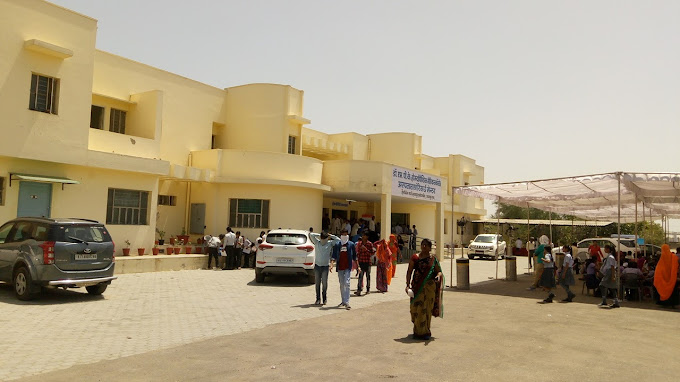
Homoeopathy University: About Us
Homoeopathy University, Jaipur, founded in 1965, stands as a pioneering institution dedicated to advancing homoeopathic education and research in India. With a rich history, it transitioned from a small entity to a full-fledged university, achieving affiliation with Rajasthan University in 1990-91. Committed to holistic homoeopathy development, it offers undergraduate and postgraduate programs like B.H.M.S. and M.D. The campus, situated in Jaipur, houses a three-level building equipped with modern facilities. Upholding values of excellence and compassionate care, the university serves as a beacon for promoting evidence-based homoeopathy, contributing significantly to the evolution of homoeopathic education in the country.

Homoeopathy University Vision, Mission & Objectives
Vision: Advance homoeopathy through education, research, and practice.
Mission: Holistic development of evidence-based homoeopathy.
Objectives:
High-quality homoeopathic education and research.
Quality medical care through homoeopathy.
Develop skilled homoeopathic professionals and educators.
Foster collaboration and knowledge exchange.
Promote homoeopathic development & publications.
Homoeopathy University Admission Process, Eligibility Criteria, and Fee Structure
|
Course |
Eligibility Criteria |
Entrance Exam |
Duration (Years) |
Fee Structure (approx.) |
|
B.H.M.S. |
50% in 12th (PCB) |
NEET |
5.5 (incl. internship) |
₹1.5 Lakh - ₹3 Lakh |
|
M.D. (Homoeopathy) |
B.H.M.S. degree |
University-specific |
3 |
Varies by specialization |
How do I apply for admission to Homoeopathy University?
1. For B.H.M.S.:
Qualify for the NEET (National Eligibility Entrance Test).
Check the state counselling board website for application details following your NEET results.
2. For M.D. (postgraduate):
Contact the university directly for details on their specific application process. It might involve university exams, interviews, or past academic performance.
Homoeopathy University Facilities
Academic Facilities:
Smart classrooms: Equipped with modern technology to enhance the learning experience.
Well-stocked library: Provides access to a vast collection of books, journals, and other learning resources.
Laboratories: Equipped with modern equipment for practical learning in various homoeopathic disciplines.
Museums: Houses various exhibits related to homoeopathy, showcasing its history and practice.
Research Facilities:
Central Research Laboratory: Conducts research in various areas of homoeopathy.
Medicinal Plant Garden: Provides students with the opportunity to learn about and cultivate medicinal plants used in homoeopathy.
Clinical Trial Centre: Conducts clinical trials to evaluate the efficacy and safety of homoeopathic remedies.
Other Facilities:
Auditorium: Hosts various lectures, seminars, and cultural events.
Sports Complex: Provides facilities for various sports activities.
Hostels: Separate hostels for boys and girls.
Canteen: Provides a variety of food options for students.
Hospital: The university has its own hospital, Dr. M.P.K. Homoeopathic Medical College Hospital & Research Centre, which provides clinical exposure and training to students.
Green Campus: The university is committed to environmental sustainability and has implemented various green initiatives on campus.
Career Opportunities after Homoeopathy University
Clinical Practice:
Homoeopathic Practitioner: Most graduates choose to become homoeopathic practitioners, offering direct patient care and treatment using homoeopathic remedies. This can be done in private practice, clinics, hospitals, or dispensaries.
Specialization: After completing their basic degree, graduates can pursue postgraduate studies in specialized areas like paediatrics, dermatology, or mental health.
Research and Education:
Research Scientist: Graduates can contribute to the advancement of homoeopathy by working in research institutions or pharmaceutical companies.
Lecturer: They can pursue teaching careers in homoeopathic colleges or universities, sharing their knowledge with future generations of practitioners.
Other Fields:
Public Health: Homöopathic graduates can contribute to public health initiatives by working in government or non-profit organizations, focusing on preventive care and community health promotion.
Pharmaceutical Industry: Graduates are sought after by homoeopathic pharmaceutical companies for roles in product development, quality control, research, and marketing.
Medical Writing and Journalism: Some graduates may choose to contribute to the field by writing articles, books, or working in healthcare journalism.
Homoeopathy University Activities
Academic Activities:
CME (Continuing Medical Education) Programs: Regularly conducted workshops and seminars for students and professionals to update their knowledge and skills.
Seminars and Conferences: Events hosting prominent speakers and experts to discuss advancements and contemporary themes in homoeopathy.
Research and Dissertation: The university encourages and supports students in conducting research and engaging in scholarly pursuits.
Co-Curricular Activities:
National Service Scheme (NSS): A student-run volunteer organization focusing on community service and social development initiatives.
Rotaract Club: A service organization known for its community service projects and leadership development programs.
Literary and Debate Club: Provides a platform for students to hone their communication, critical thinking, and creative writing skills.
Cultural Activities: The university hosts various cultural events throughout the year, showcasing diverse talents and celebrating festivals.
Sports Facilities: Offers facilities for various sports activities, encouraging students to maintain physical fitness and participate in sports competitions.
Additional Activities:
Student Union: Represents the student body, organizing events, advocating for student welfare, and fostering a sense of community.
Hostel Life: Separate hostels for boys and girls offer comfortable accommodation and opportunities for building friendships and interacting with fellow students.
Homoeopathy University Scholarships Programme
CCRH Scholarships:
Apex Research Organisation in India.
Offers scholarships for homoeopathy students.
Available for undergraduates, postgraduates, and PhD students.
Applicable at recognized universities and institutes.
Government Scholarship Schemes:
Check eligibility for regional government scholarships.
Explore schemes offered by various agencies or ministries.
Available based on location and background.
Research relevant programs for homoeopathy students.
Homoeopathy University Affiliation and Accreditation
Affiliation:
Affiliated with UGC under Section 2(f) of the UGC Act, 1956.
Holds the status of a recognized university in India.
Homoeopathy University's FAQs
1. What programs does Homoeopathy University offer?
Homoeopathy University offers undergraduate (B.H.M.S.) and postgraduate (M.D. in Homoeopathy) programs.
2. How can I apply for a B.H.M.S. at Homoeopathy University?
To apply for B.H.M.S., you need to qualify for the NEET (National Eligibility Entrance Test) and follow the application process outlined by the state counseling board after the NEET results.
3. What is the admission process for M.D. (homoeopathy) at Homoeopathy University?
Contact the university directly for details on the specific application process for M.D. programs. It may involve university exams, interviews, or consideration of past academic performance.
4. What are the eligibility criteria for B.H.M.S.?
You need a minimum of 50% in 12th grade with Physics, Chemistry, and Biology (PCB) for B.H.M.S. admissions.
5. Is there an entrance exam for M.D. admissions?
Yes, the entrance exam process for M.D. programs is specific to the university. Contact the university for detailed information.
6. What is the fee structure for B.H.M.S. and M.D. programs?
The approximate fee for B.H.M.S. ranges from ₹1.5 Lakh to ₹3 Lakh. The M.D. fee varies by specialization.
7. What facilities does Homoeopathy University provide?
The university offers academic facilities like smart classrooms, a well-stocked library, laboratories, museums, and research facilities, including a central research laboratory and medicinal plant garden. Other facilities include an auditorium, sports complex, hostels, canteens, hospitals, and a commitment to a green campus.
8. Are there career opportunities after graduating from Homoeopathy University?
Yes, graduates can pursue careers in clinical practice, research, education, public health, the pharmaceutical industry, medical writing, or journalism.
9. What co-curricular activities are available at the university?
The university encourages co-curricular activities such as NSS (National Service Scheme), Rotaract Club, Literary and Debate Club, cultural events, and sports activities.
10. Are there scholarship programs available at Homoeopathy University?
Yes, students can explore CCRH Scholarships, offered by the Apex Research Organization in India, as well as various government scholarship schemes based on eligibility and location.
11. Is Homoeopathy University affiliated and accredited?
Yes, the university is affiliated with UGC under Section 2(f) of the UGC Act, 1956, and holds the status of a recognized university in India.
How Shiksha Hub helps you in
-
 Student Counsellors
 -
 Career Counseling
 -
 Research
 -
 24/7 Support
 -
 Scholarships
 -
 Community