Posted by Admin on 27-07-2023 in Shiksha hub
Fabrics & glass painting Introduction, Admission, Registration, Eligibility, Duration, Fees, Syllabus 2024
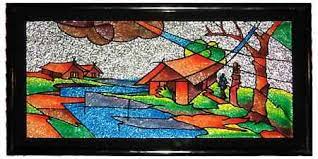
Introduction about Fabrics & glass painting
Fabrics and glass painting are versatile art forms that allow individuals to express their creativity and enhance the aesthetic appeal of various surfaces. These art techniques have been practiced for centuries, evolving into unique forms of expression that cater to both functional and decorative purposes.
Fabrics Painting:
Fabric painting involves the application of color and design onto fabric surfaces. This art form enables artists to transform plain textiles into vibrant, personalized pieces of art. Fabrics painting can be done on a variety of materials, including cotton, silk, linen, and synthetics, making it a versatile medium for creating custom clothing, home decor items, and accessories.
Artists can use various techniques such as brush painting, block printing, stenciling, and even tie-dye to create intricate patterns and designs on fabrics. Fabric paints come in a wide range of colors and textures, providing artists with the tools to explore different styles and effects.
Whether it's designing a unique wardrobe, crafting personalized gifts, or adding artistic touches to home decor, fabric painting offers a dynamic and accessible way for individuals to infuse their personal style into everyday items.
Glass Painting:
Glass painting, on the other hand, involves decorating glass surfaces with pigments or paints. This ancient art form has been used to embellish windows, vases, glassware, and other glass objects for centuries. The translucent nature of glass allows artists to play with light and color, creating stunning visual effects.
Glass painters use a variety of techniques, including traditional stained glass methods, reverse painting, and glass etching. Stained glass, with its use of leaded lines to delineate different colors, often adorns windows in churches and cathedrals, creating breathtaking displays of light and color.
Contemporary glass painters experiment with different types of glass paints and techniques, allowing for a diverse range of styles, from intricate and detailed designs to bold and abstract compositions. Glass painting can be both a therapeutic hobby and a means of creating beautiful, functional art pieces that add elegance to living spaces.
In summary, fabrics and glass painting offer individuals the opportunity to explore their artistic inclinations and create visually stunning pieces that can be both practical and decorative. Whether it's adding a personal touch to clothing or transforming plain glass into a work of art, these techniques provide a canvas for creative expression in various forms.
How can I apply for admission to Fabrics & glass painting
Applying for admission to a Fabrics and Glass Painting program typically involves several steps. Here's a general guide to help you navigate the application process:
Research Programs: Start by researching institutions or art schools that offer programs in Fabrics and Glass Painting. Look for reputable institutions with experienced faculty and well-equipped facilities. Consider factors such as program curriculum, faculty expertise, and available resources.
Check Admission Requirements: Review the admission requirements for the specific program you're interested in. Requirements may vary between institutions, but common elements often include educational background, portfolio submission, letters of recommendation, and standardized test scores (if applicable).
Educational Background: Most art programs have specific educational prerequisites. Ensure that you meet the academic qualifications required for admission. Some programs may accept students with a high school diploma or equivalent, while others may require a bachelor's degree.
Create a Portfolio: A portfolio is a crucial component of your application. It showcases your artistic skills and provides insight into your style and creativity. Include a variety of works that demonstrate your proficiency in fabrics and glass painting. This might include photographs of fabric projects, glass paintings, sketches, and any relevant art pieces.
Letters of Recommendation: Some programs may require letters of recommendation from teachers, mentors, or professionals who can speak to your artistic abilities and potential for success in the program. Choose individuals who know your work well and can provide meaningful insights.
Personal Statement: Craft a compelling personal statement that explains your interest in fabrics and glass painting, your artistic journey, and your goals. Use this opportunity to showcase your passion for the craft and convey how the program aligns with your aspirations.
Application Form: Complete the application form provided by the institution. Pay close attention to details and ensure that you submit all required documents by the specified deadline.
Entrance Exams (if applicable): Some art programs may require standardized test scores, such as the GRE or a specific art-related exam. Check the admission requirements to see if you need to take any entrance exams and prepare accordingly.
Interview (if required): Some institutions may conduct interviews as part of the admission process. Be prepared to discuss your portfolio, artistic influences, and aspirations during these interviews.
Submit Application: Once you have gathered all required documents and completed the application process, submit your application by the specified deadline.
Remember to thoroughly read the specific admission guidelines provided by the institution you're applying to, as requirements can vary. Good luck with your application to a Fabrics and Glass Painting program!
What is the eligibility for Fabrics & glass painting
Eligibility criteria for Fabrics and Glass Painting programs can vary depending on the specific institution and the level of the program (e.g., undergraduate or graduate). However, here are common eligibility factors that applicants may encounter:
Educational Background: For undergraduate programs, eligibility often requires a high school diploma or its equivalent. Some institutions may have specific coursework prerequisites, so it's essential to check the program's requirements.
For graduate programs, a bachelor's degree in a relevant field such as fine arts, textiles, or a related discipline is typically required. The specific field of study may vary by institution.
Portfolio Submission: A portfolio showcasing your artistic work is a crucial component of the application process. This is often required to assess your skills, creativity, and potential as a fabrics and glass painter. The portfolio should include examples of your work in fabrics and glass painting, as well as other relevant artistic projects.
Letters of Recommendation: Some programs may require letters of recommendation from teachers, mentors, or professionals who can attest to your artistic abilities and potential for success in the program.
Personal Statement: A well-crafted personal statement is often required, explaining your interest in fabrics and glass painting, your artistic journey, and your goals. Use this opportunity to demonstrate your passion for the craft and explain why you're a good fit for the program.
Entrance Exams (if applicable): Certain institutions or programs may require standardized test scores, such as the GRE or a specific art-related exam. Check the admission requirements to determine if you need to take any entrance exams.
Interview (if required): In some cases, institutions may conduct interviews as part of the admission process. Be prepared to discuss your portfolio, artistic influences, and aspirations during these interviews.
It's crucial to review the specific eligibility criteria outlined by the institution offering the Fabrics and Glass Painting program. These criteria can vary, so carefully read the program's official website or contact the admissions office for detailed information. Meeting the eligibility requirements ensures that your application is considered for admission to the desired program.
How long does it takes to complete a Fabrics & glass painting
The duration to complete a program in Fabrics and Glass Painting can vary depending on the level of the program and the institution offering it. Here are general guidelines for different levels of study:
Short Courses and Workshops: Short courses and workshops in Fabrics and Glass Painting may range from a few days to a few weeks. These are often designed for individuals looking to acquire specific skills or explore the art form without committing to a long-term program.
Certificate Programs: Certificate programs in Fabrics and Glass Painting typically take anywhere from a few months to a year to complete. These programs provide a more in-depth exploration of the techniques and skills involved in fabrics and glass painting.
Undergraduate Degrees: Bachelor's degree programs in Fine Arts or a related field with a focus on Fabrics and Glass Painting usually take around three to four years to complete. The duration may vary based on the country and the specific structure of the program.
Graduate Degrees: Master's degree programs in Fine Arts or a related field at the graduate level often take one to two years to complete. These programs are more specialized and may involve advanced coursework, independent projects, and a thesis or final exhibition.
Keep in mind that the duration can be influenced by factors such as the institution's academic calendar, whether the program is full-time or part-time, and any additional requirements, such as internships or practical experiences.
Before enrolling in a program, it's advisable to check the specific duration and structure outlined by the institution offering the Fabrics and Glass Painting program. Additionally, consider factors such as the curriculum, faculty expertise, and available resources to ensure that the program aligns with your artistic and educational goals.
What are potential career opportunities after Fabrics & glass painting
Graduates with expertise in Fabrics and Glass Painting can explore various exciting career opportunities in both the artistic and commercial sectors. Here are some potential career paths:
Textile Artist: As a textile artist, you can create unique fabric designs, patterns, and artworks. Textile artists often work in the fashion industry, designing clothing, accessories, and home decor items.
Surface Pattern Designer: Surface pattern designers specialize in creating patterns for various surfaces, including fabrics, wallpaper, and packaging. This role often involves collaborating with manufacturers, design studios, or working freelance.
Glass Artist: As a glass artist, you can work with stained glass, fused glass, or other glass techniques to create decorative pieces, installations, or functional glassware. This may involve working independently or collaborating with studios and galleries.
Glass Painter: Glass painters focus specifically on the art of painting on glass surfaces. This could include creating stained glass windows, glass art installations, or decorative glass pieces.
Freelance Artist/Designer: Many individuals with skills in fabrics and glass painting choose to work as freelance artists or designers. This allows for creative independence and the opportunity to take on diverse projects, from creating custom clothing to designing glass art commissions.
Art Educator/Instructor: With advanced knowledge in fabrics and glass painting, you can pursue a career in education. This may involve teaching art classes at schools, community centers, or conducting workshops and private lessons.
Curator/Exhibition Coordinator: Those with a passion for curation and exhibition management can work in galleries, museums, or cultural institutions. This role involves organizing and presenting art exhibitions, including those featuring fabrics and glass paintings.
Entrepreneur: Start your own business as an entrepreneur, selling custom-designed fabrics, glass art, or handmade products. This could involve establishing an online shop, participating in craft fairs, or collaborating with retailers.
Interior Designer: The knowledge of fabrics and glass painting can be valuable for a career in interior design. You can specialize in creating unique, custom-designed elements for interior spaces, including fabrics for upholstery and decorative glass features.
Product Designer: Work in collaboration with manufacturers or design firms to create products that incorporate fabrics and glass elements. This could include designing home goods, fashion accessories, or other consumer products.
These are just a few examples, and the versatility of fabrics and glass painting skills opens up a range of possibilities in the creative industry. The specific career path you choose may depend on your interests, specialization within fabrics and glass painting, and the industry you find most compelling.
Syllabus of Fabrics & glass painting
Creating a detailed semester-wise syllabus for Fabrics and Glass Painting would depend on the specific program, institution, and level of study (undergraduate or graduate). However, I can provide a general outline that institutions might follow. Keep in mind that this is a broad overview, and the actual syllabus may vary. Additionally, the semester division is a general guideline, and the number of semesters can vary.
Semester 1: Introduction to Fabrics and Glass Painting
Course 1: Basics of Art and Design
Elements and principles of design
Color theory
Introduction to various art mediums
Course 2: Drawing Fundamentals
Basic drawing techniques
Still life and observational drawing
Sketching exercises
Course 3: Introduction to Fabrics Painting
Types of fabrics and their characteristics
Basic fabric painting techniques
Understanding fabric dyes and paints
Course 4: Introduction to Glass Painting
Types of glass and their properties
Glass painting techniques (stained glass, reverse painting)
Safety precautions in glass painting
Semester 2: Advanced Techniques in Fabrics Painting
Course 5: Advanced Fabrics Painting
Textile manipulation techniques
Fabric printing and stamping
Advanced color blending and shading
Course 6: Fabric Design and Pattern Making
Design principles for fabric
Creating repeat patterns
Introduction to pattern making
Course 7: Glass Painting Styles and Applications
Contemporary glass painting trends
Glass etching and engraving
Incorporating mixed media in glass painting
Course 8: History of Fabrics and Glass Art
Historical perspectives on fabric and glass art
Studying renowned fabric and glass artists
Analyzing cultural influences on the art forms
Semester 3: Specialization and Project Work
Course 9: Specialized Techniques in Fabrics Painting
Batik and tie-dye techniques
Embroidery on fabric
Exploring 3D fabric art
Course 10: Glass Painting Installation
Designing large-scale glass installations
Collaboration and teamwork in glass projects
Site-specific considerations
Course 11: Entrepreneurship in Art
Developing a personal brand as an artist
Marketing and selling artworks
Business aspects of a career in fabrics and glass painting
Course 12: Final Project and Portfolio Development
Developing a cohesive body of work
Presenting a final exhibition or portfolio
Career planning and preparation
This is a general framework, and the actual syllabus may include additional courses, electives, or variations based on the institution's curriculum and faculty expertise. It's recommended to check with the specific institution offering the program for the most accurate and detailed information on the syllabus.
Internship opportunities after completing Fabrics & glass painting
After completing a program in Fabrics and Glass Painting, individuals can explore various internship opportunities to gain practical experience, build a professional network, and enhance their skills. Here are some potential internship opportunities in this field:
Textile Design Studios: Interning at a textile design studio allows individuals to work closely with designers, understand the production process, and contribute to the creation of fabric patterns. Tasks may include assisting in design development, preparing color palettes, and gaining exposure to the textile industry.
Glass Art Studios: Internships at glass art studios provide hands-on experience in the creation of glass artworks. This may involve assisting in the production of stained glass windows, participating in glassblowing projects, or contributing to the design and execution of glass installations.
Fashion Design Companies: Many fashion design companies value artists with expertise in fabrics painting. Interns can work on creating custom fabrics for clothing lines, experimenting with innovative designs, and learning how fabrics painting intersects with the fashion industry.
Art Galleries and Museums: Interning at art galleries or museums specializing in contemporary art can provide exposure to the exhibition and curation aspects of the art world. Interns may assist in setting up exhibitions, handling artwork, and engaging with the public.
Craft and Design Workshops: Participating in internships with craft and design workshops offers opportunities to share skills and knowledge with others. This could involve leading workshops on fabrics and glass painting, providing demonstrations, and assisting participants in their creative endeavors.
Event Design and Decor Companies: Internships in event design and decor companies allow individuals to apply fabrics and glass painting skills to create unique and personalized elements for events. This can include designing custom fabrics for event spaces or contributing to the creation of decorative glass pieces.
Community Arts Organizations: Interning with community arts organizations provides the chance to engage with the local community through art projects. This could involve leading art workshops, collaborating on community-driven art initiatives, and contributing to public art projects.
Interior Design Firms: Interns in interior design firms may work on projects that involve integrating fabrics and glass art into interior spaces. This can include creating custom fabric designs for upholstery, designing glass features, and contributing to overall design concepts.
Educational Institutions: Some individuals choose to intern at educational institutions, assisting art instructors or professors in teaching fabrics and glass painting techniques to students. This provides valuable teaching experience and a chance to share knowledge with others.
Entrepreneurial Ventures: Interns can explore opportunities with artists or entrepreneurs who have established their own businesses in fabrics and glass painting. This might involve learning about the business side of being an artist, from marketing to managing a creative enterprise.
When seeking internships, it's essential to consider personal interests, career goals, and the specific skills you want to develop. Networking within the artistic community, attending industry events, and researching potential organizations can help identify and secure relevant internship opportunities.
Scholarships and grants for Fabrics & glass painting
Scholarships and grants can be valuable resources for individuals pursuing studies or projects in Fabrics and Glass Painting. While specific opportunities may vary, here are some general types of scholarships and grants that individuals in this field may explore:
Institutional Scholarships: Many art schools and universities offer scholarships specifically for students studying fine arts, textiles, or related fields. These scholarships may be based on academic merit, artistic talent, or a combination of both.
Art and Design Scholarships: Organizations and foundations dedicated to supporting the arts often provide scholarships for students pursuing degrees or projects in art and design. These scholarships may cover tuition, materials, or living expenses.
Textile and Fashion Scholarships: Some scholarships are specifically tailored for students focusing on textiles and fashion. These opportunities may be offered by textile industry associations, fashion design organizations, or foundations supporting innovation in textile arts.
Glass Art Scholarships: Organizations and institutions that promote glass art may offer scholarships for individuals studying or creating glass art. These scholarships may cover education expenses, residency programs, or glassblowing workshops.
Community Foundation Grants: Local community foundations often provide grants to support artistic endeavors. These grants may be available for individuals working on community-based art projects, including those involving fabrics and glass painting.
Craft and Artisan Grants: Some organizations and foundations focus on traditional crafts and artisanal work, including fabrics and glass painting. These grants may support projects that preserve or innovate within these artistic traditions.
Entrepreneurial Grants: Individuals looking to start their own businesses in fabrics and glass painting may find entrepreneurial grants that provide funding and support for creative ventures. These grants may be offered by business development organizations or cultural entrepreneurship initiatives.
Arts Council Grants: National and local arts councils often provide grants to support artists and art projects. Check with your country's or region's arts council for available grant opportunities.
Professional Association Scholarships: Joining professional associations related to fabrics and glass painting may open doors to scholarship opportunities. Some associations offer financial support to students and emerging artists in the field.
Project-Based Grants: Some organizations provide grants specifically for individual art projects. If you have a specific project in mind, consider researching grants that align with the goals and themes of your project.
When seeking scholarships and grants, it's essential to thoroughly research eligibility criteria, application requirements, and deadlines. Additionally, consider reaching out to academic advisors, art instructors, or professionals in the field for guidance and potential leads on available opportunities. Many scholarships and grants are competitive, so be sure to present a strong and compelling application that reflects your passion and dedication to fabrics and glass painting.
Conclusion
In conclusion, the world of Fabrics and Glass Painting offers a rich tapestry of artistic expression and creative exploration. From transforming fabrics into personalized works of wearable art to crafting intricate designs on glass surfaces, these art forms captivate both creators and admirers. The diverse career opportunities, educational programs, and avenues for self-expression make Fabrics and Glass Painting a dynamic field for individuals passionate about merging tradition with innovation.
FAQ,s
What is fabrics painting?
Fabrics painting involves applying color and design onto fabric surfaces, allowing artists to create personalized and vibrant textiles.
What is glass painting?
Glass painting is an art form where pigments or paints are applied to glass surfaces, creating decorative pieces, stained glass windows, or contemporary glass artworks.
How long does it take to complete a Fabrics and Glass Painting program?
The duration varies, but generally, short courses may take a few days to weeks, certificates a few months to a year, and degrees (undergraduate or graduate) several years.
What career opportunities are available after completing Fabrics and Glass Painting studies?
Graduates can explore careers as textile artists, glass painters, surface pattern designers, and pursue opportunities in fashion, interior design, education, and entrepreneurship.
Are there internship opportunities in Fabrics and Glass Painting?
Yes, internships can be found in textile design studios, glass art studios, fashion design companies, art galleries, and various other settings related to fabrics and glass painting.
Are there scholarships for Fabrics and Glass Painting studies?
Yes, scholarships and grants are available from institutions, art and design organizations, textile and fashion associations, and community foundations.
Meta Title: "Explore the World of Fabrics and Glass Painting: Careers, Education, and Artistic Expression"
Tag: Fabrics and Glass Painting, Textile Art, Glass Art, Artistic Careers, Creative Expression, Art Education, Scholarship Opportunities, Internships, Design Programs
Keywords: Fabrics painting, Glass painting, Textile art, Glass art, Art education, Career opportunities, Creative expression, Artistic careers, Scholarship programs, Internship opportunities, Design courses.
Meta Description: Discover the vibrant realm of Fabrics and Glass Painting, from educational programs and career opportunities to scholarships and internships. Unleash your creativity through textile art and glass painting, merging tradition with innovation in the world of artistic expression.
How Shiksha Hub helps you in
-
 Student Counsellors
 -
 Career Counseling
 -
 Research
 -
 24/7 Support
 -
 Scholarships
 -
 Community