Posted by Admin on 29-07-2023 in Shiksha hub
Diploma in Homoeopathy Nursing Introduction, Admission, Registration, Eligibility, Duration, Fees, Syllabus 2024
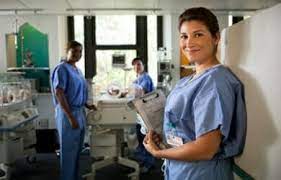
Introduction about Diploma in Homoeopathy Nursing
A Diploma in Homoeopathy Nursing is a specialized program that combines traditional nursing education with the principles and practices of homoeopathic medicine. This diploma equips students with the knowledge and skills required to provide holistic healthcare using homoeopathic remedies and principles.
The curriculum typically covers a range of subjects such as anatomy, physiology, pathology, pharmacology, and homoeopathic philosophy and materia medica. Students learn how to assess patients, identify symptoms, and apply homoeopathic remedies to promote healing and wellness.
Moreover, the program often includes clinical training, allowing students to gain practical experience in healthcare settings. This hands-on experience helps them understand how to integrate homoeopathy into patient care effectively.
Graduates of a Diploma in Homoeopathy Nursing program are equipped to work in various healthcare settings, including hospitals, clinics, and alternative medicine centers. They play a crucial role in providing personalized and holistic care to patients by combining their nursing skills with the principles of homoeopathic medicine.
How can I apply for admission to Diploma in Homoeopathy Nursing Program
Research and Choose a School: Look for institutions or colleges offering the diploma program in Homoeopathy Nursing. Ensure they're accredited and offer a curriculum that aligns with your interests and career goals.
Check Admission Requirements: Review the specific admission criteria set by the institution. Requirements might include a high school diploma or equivalent, specific coursework prerequisites, and possibly an entrance exam or interview.
Submit Application: Complete the application form provided by the institution. This usually involves filling out personal information, educational history, and sometimes requires an application fee.
Provide Supporting Documents: Gather necessary documents such as transcripts, recommendation letters, personal statements, and any other documents required by the institution. Ensure they're submitted before the application deadline.
Entrance Exams or Interviews: Some institutions might require you to sit for an entrance exam or attend an interview as part of the application process. Prepare accordingly if this is a requirement.
Financial Aid and Scholarships: Explore financial aid options, including scholarships, grants, or loans that might be available for the program. Submit any necessary forms for financial assistance.
Monitor Application Status: Keep track of your application status and follow up if necessary. Some institutions might provide online portals or contact details for applicants to check their status.
Acceptance and Enrollment: If accepted, review the acceptance letter carefully for any additional steps needed to secure your spot. This might include submitting a deposit or confirming enrollment by a certain deadline.
Prepare for the Program: Once enrolled, prepare for the program by reviewing any materials provided by the institution, familiarizing yourself with the curriculum, and getting ready for your studies.
What is the eligibility for Diploma in Homoeopathy Nursing
Educational Qualifications: Candidates are generally required to have completed high school or its equivalent (such as a secondary education certificate) from a recognized board or institution.
Minimum Marks: Some institutions may specify a minimum percentage or grade in certain subjects, particularly in science-related courses like biology or chemistry.
Prerequisite Subjects: A background in science subjects (such as biology, chemistry, physics) might be preferred or required by some institutions.
Entrance Exams: Certain colleges might conduct entrance exams as part of the admission process. Performance in these exams could be a factor in the selection criteria.
Language Proficiency: Proficiency in the language of instruction (usually English) might be required, especially for non-native speakers. Some institutions may require language proficiency test scores like IELTS or TOEFL.
Additional Requirements: Depending on the institution, additional criteria such as an interview, personal statement, or letters of recommendation might be part of the application process.
How long does it takes to complete a Diploma in Homoeopathy Nursing program
The duration of a Diploma in Homoeopathy Nursing program typically spans between 1 to 3 years, depending on the specific institution and its curriculum structure.
Some programs might be condensed and completed within a year or so, especially if they are intensive or offered on an accelerated schedule. On the other hand, certain institutions might have a more comprehensive curriculum that extends the program to two or three years, allowing for more in-depth study and clinical experience.
The duration can also be influenced by factors such as the institution's academic calendar, whether it offers part-time or full-time study options, and any additional practical training or internship requirements incorporated into the program. It's essential to review the specific program details provided by the institution offering the Diploma in Homoeopathy Nursing to determine the exact duration of the program.
What are potential career opportunities after Diploma in Homoeopathy Nursing
Homoeopathy Nurse: Work in clinics, hospitals, or private practices, providing nursing care with a focus on homoeopathic principles. They assist in administering homoeopathic remedies and supporting patients through holistic healing methods.
Holistic Health Practitioner: Offer holistic healthcare services, combining homoeopathy with other alternative therapies like acupuncture, herbal medicine, or nutritional counseling to promote overall wellness.
Health Educator: Educate communities or individuals about homoeopathic principles, preventive healthcare, and lifestyle modifications to enhance well-being.
Research Assistant: Work in research institutions or labs, assisting in studies focused on homoeopathic medicine, alternative therapies, or holistic healthcare practices.
Entrepreneurship: Start a private practice or wellness center specializing in homoeopathy, offering consultations, therapies, and remedies.
Healthcare Consultant: Provide consultancy services to healthcare facilities, advising on integrating homoeopathy into traditional medical practices or setting up holistic care units.
Academic Roles: Pursue teaching or academic positions in homoeopathy institutions or nursing schools, sharing knowledge and training future homoeopathic nurses.
Community Health Worker: Engage in community health programs, promoting homoeopathy and holistic healthcare in underserved or rural areas.
Syllabus of Diploma in Homoeopathy Nursing
First Semester:
Introduction to Homoeopathy: History, principles, and philosophy of homoeopathic medicine.
Anatomy and Physiology: Study of the human body's structure and functions.
Fundamentals of Nursing: Basic nursing skills and patient care techniques.
Principles of Homoeopathic Pharmacy: Introduction to preparing and dispensing homoeopathic remedies.
Health Assessment: Learning to assess patients, identify symptoms, and understand case-taking in homoeopathy.
Second Semester:
Pathology and Microbiology: Study of diseases and microorganisms.
Homoeopathic Materia Medica: Understanding specific remedies and their indications.
Pharmacology: Introduction to pharmacological principles related to homoeopathic medicine.
Nursing Care Planning: Developing care plans based on homoeopathic principles.
Clinical Training (Practicum): Hands-on experience in healthcare settings, applying homoeopathic nursing skills.
Third Semester:
Nursing Ethics and Legal Aspects: Understanding ethical and legal considerations in nursing practice.
Homoeopathic Therapeutics: Applying homoeopathic remedies to various health conditions.
Clinical Internship: Extended practical training in homoeopathy nursing under supervision.
Health Promotion and Disease Prevention: Strategies to promote health using homoeopathic and holistic approaches.
Research Methodology: Introduction to research techniques in homoeopathic nursing.
Internship opportunities after completing Diploma in Homoeopathy Nursing
Homoeopathic Clinics: Intern or work as an assistant in homoeopathic clinics under experienced practitioners. This hands-on experience allows you to apply learned concepts and remedies while observing patient interactions.
Hospitals and Healthcare Facilities: Some hospitals have integrative medicine departments or offer opportunities for homoeopathy nurses to work alongside conventional healthcare professionals. Interning in such settings can provide exposure to a diverse range of patients and medical conditions.
Private Practices: Joining a homoeopathy practitioner's private practice can offer a more personalized learning experience. Here, you might have the chance to work closely with the practitioner, observe consultations, and assist in patient care.
Research Institutes: Internships in research institutions focusing on homoeopathic medicine provide exposure to ongoing studies, clinical trials, and research methodologies in the field.
Non-Profit Organizations or NGOs: Some organizations work on community health initiatives or outreach programs using homoeopathic principles. Interning with these organizations can provide a different perspective on healthcare delivery and community-based interventions.
Health and Wellness Centers: Internships in wellness centers focusing on holistic health practices can offer a broader understanding of complementary therapies and their integration with homoeopathy.
Scholarship and grants for Diploma in Homoeopathy Nursing
Institutional Scholarships: Many colleges or universities offering homoeopathy nursing programs might have their own scholarship or grant programs for students. Check their financial aid or scholarship office for available opportunities.
Government Aid: In some countries, governmental bodies or ministries of health may offer scholarships or grants for students pursuing studies in healthcare fields, including alternative medicine or nursing.
Professional Associations: Homoeopathy or nursing associations might provide scholarships or grants to students pursuing studies in this field. Check with organizations such as homoeopathy practitioner associations or nursing associations for any available funding.
Private Foundations and Organizations: Some private foundations or organizations dedicated to healthcare or alternative medicine might offer scholarships or grants for students in homoeopathy nursing programs. Research and explore these foundations to identify potential funding sources.
Employer Sponsorship or Assistance: Some employers, especially those in healthcare-related fields, offer tuition reimbursement or sponsorship programs for employees seeking further education in nursing or alternative medicine.
Online Scholarship Databases: Utilize online scholarship search engines or databases that allow you to filter scholarships based on your field of study. While specific scholarships for homoeopathy nursing might be limited, broader healthcare or nursing scholarships could be applicable.
Conclusion
In conclusion, a Diploma in Homoeopathy Nursing offers a unique blend of traditional nursing practices with the principles of homoeopathic medicine, equipping graduates to provide holistic and personalized healthcare. This specialized program not only covers essential nursing skills but also delves into the application of homoeopathic remedies, enabling practitioners to address health concerns through a holistic lens.
FAQs
Q: What is Homoeopathy Nursing?
A: Homoeopathy Nursing combines traditional nursing practices with the principles of homoeopathic medicine to provide holistic healthcare.
Q: What subjects are typically covered in this diploma program?
A: Subjects often include anatomy, physiology, pathology, homoeopathic philosophy, pharmacology, nursing care, and practical training in applying homoeopathic remedies.
Q: What are the career prospects after completing this diploma?
A: Graduates can work as homoeopathy nurses, holistic health practitioners, educators, researchers, or healthcare consultants in clinics, hospitals, private practices, or community health settings.
Q: How long does it take to complete the diploma?
A: The duration can vary from 1 to 3 years, depending on the institution and program structure.
Q: Are there internships or practical training opportunities?
A: Yes, many programs include clinical internships or practicums to provide hands-on experience in applying homoeopathic principles in healthcare settings.
Q: What are the eligibility criteria for admission?
A: Generally, applicants need a high school diploma or equivalent, a background in science subjects may be preferred, and some institutions may require entrance exams or interviews.
Q: Are there scholarships available for this program?
A: Scholarships or grants may be available through institutions, government bodies, professional associations, private foundations, or employers supporting healthcare education.
Q: How can I apply for admission to a Diploma in Homoeopathy Nursing program?
A: You can apply directly to the institution offering the program by submitting an application form along with necessary documents such as transcripts, recommendation letters, and meeting any specified admission requirements.
How Shiksha Hub helps you in
-
 Student Counsellors
 -
 Career Counseling
 -
 Research
 -
 24/7 Support
 -
 Scholarships
 -
 Community