Posted by Admin on 26-09-2023 in Shiksha hub
Diploma In Dental Assistant, Introduction, Admission, Registration, Eligibility, Duration, Fees, Syllabus 2024
Introduction about Diploma In Dental Assistant:
Are you passionate about oral healthcare and seeking a fulfilling career in the dental field? A Diploma in Dental Assistant might be the perfect path for you. In this comprehensive guide, we will explore the world of Dental Assistants, their roles, educational requirements, career opportunities, and much more.
What is a Diploma in Dental Assistant?
A Diploma in Dental Assistant is a specialized training program designed to prepare individuals for a vital role in the dental healthcare industry. Dental Assistants play a crucial part in the smooth functioning of dental practices, providing support to dentists and ensuring a seamless patient experience.
Importance of Dental Assistants
Dental Assistants are the backbone of any dental office. They perform a variety of tasks that allow dentists to focus on their primary responsibilities. From patient care and record-keeping to preparing and sterilizing instruments, Dental Assistants are essential for maintaining a high level of patient care and safety.
The Role of Dental Assistants in Oral Healthcare
Dental Assistants work closely with dentists during patient examinations, treatments, and procedures. They assist with X-rays, take impressions, and educate patients on proper oral hygiene practices. In addition, they ensure that the dental office runs efficiently by scheduling appointments, managing supplies, and maintaining patient records.
Educational Requirements
To embark on a career as a Dental Assistant, you'll need to complete a Diploma in Dental Assisting program. These programs typically require a high school diploma or equivalent for enrollment. The duration of the program varies, but most can be completed in less than a year. Let's take a closer look at the educational requirements:
Prerequisites for Enrollment
Before applying for a dental assistant program, you may need to meet certain prerequisites, such as CPR certification and background checks.
Duration of the Diploma Program
Diploma in Dental Assistant programs typically range from 9 to 12 months, making it a relatively quick path to a rewarding career.
Curriculum Overview
The curriculum of these programs covers a wide range of topics, including dental anatomy, radiology, infection control, and chairside assisting techniques.
Clinical Training
One of the most valuable aspects of a Diploma in Dental Assistant program is the clinical training it provides. Here's what you can expect in terms of hands-on experience:
Hands-on Experience
Students have the opportunity to practice their skills in a real dental office, under the supervision of experienced dentists.
Dental Procedures Covered
During their training, students learn how to assist with various dental procedures, from cleanings and fillings to more complex treatments.
Learning from Experienced Dentists
Working alongside experienced dentists, students gain valuable insights and practical knowledge, enhancing their confidence and competence.
Career Opportunities
Upon completing your diploma program, a world of opportunities awaits you. Dental Assistants can work in various settings, including:
Dental Offices: Most Dental Assistants find employment in dental practices, where they provide chairside assistance to dentists.
Specialized Clinics: Some dental specialties, such as orthodontics and oral surgery, require the expertise of Dental Assistants.
Hospitals and Dental Labs: Dental Assistants can also work in hospital dental departments and dental laboratories.
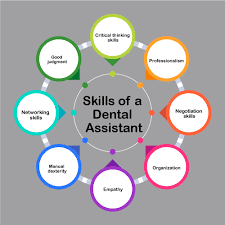
Skills and Qualities
To excel as a Dental Assistant, certain skills and qualities are essential:
Communication Skills: Dental Assistants need to communicate clearly with both patients and dental professionals.
Attention to Detail: Precise record-keeping and careful instrument sterilization are vital aspects of the role.
Compassion and Empathy: A warm and compassionate demeanor can put anxious patients at ease.
Organizational Abilities: Dental Assistants must keep track of appointments, supplies, and patient records.
Certification and Licensing
Many states require Dental Assistants to be certified or licensed. Certification demonstrates your competence and dedication to the profession. Here's what you need to know:
Requirements for Certification
Certification requirements vary by state but often involve passing a written and practical exam.
The Importance of Being Licensed
Being licensed can enhance your job prospects and earning potential. It also ensures that you are up-to-date with the latest best practices in the field.
Continuing Education
Dental Assistants are encouraged to pursue continuing education to stay current in their profession and maintain their certification.
Salary and Job Outlook
A career as a Dental Assistant is not only rewarding in terms of patient care but also financially. Here's what you can expect in terms of salary and job prospects:
Salary Range for Dental Assistants
The salary of a Dental Assistant can vary by location and experience but generally falls within a competitive range.
Job Growth in the Industry
The demand for Dental Assistants is on the rise, with a projected job growth rate that surpasses many other professions.
Geographic Variations
The salary and job market for Dental Assistants can vary from one region to another. Research the opportunities in your desired location.
Advantages of a Career in Dental Assisting
Choosing a career as a Dental Assistant offers numerous advantages, including:
Job Security: The growing demand for dental services ensures a stable job market for Dental Assistants.
Opportunity to Make a Difference: Dental Assistants play a crucial role in improving oral health and patient satisfaction.
Flexible Work Hours: Many Dental Assistants have the option to work part-time or flexible hours.
How to Enroll in a Diploma in Dental Assistant Program
If you're considering a career as a Dental Assistant, here's how to get started:
Application Process: Research schools in your area and follow their application process.
Financial Aid Options: Explore financial aid options, scholarships, and grants that can help you fund your education.
Choosing the Right School: Select a reputable institution that offers a well-structured program with experienced faculty.
How can I apply for admission to Diploma In Dental Assistant:
To apply for admission to a Diploma in Dental Assistant program, you should follow these steps:
Research Dental Assistant Programs: Start by researching the dental assistant programs available in your area or in institutions you are willing to attend. Look for schools that are accredited and have a good reputation in the field.
Check Admission Requirements: Each program may have slightly different admission requirements, but common prerequisites include a high school diploma or equivalent. Some programs may also require background checks and CPR certification.
Gather Required Documents: Once you've identified a program you want to apply to, gather all the necessary documents, including your high school transcripts, test scores, and any other required documentation. Be sure to have these documents in order before applying.
Fill Out the Application: Obtain the application form from the chosen program's website or admissions office. Carefully fill out the application form, providing accurate and complete information. Pay close attention to deadlines and ensure you submit the application on time.
Pay Application Fees: Some programs may require an application fee, so be prepared to pay this fee as part of the application process. Make sure to check the program's website or contact the admissions office for information on the application fee.
Write a Personal Statement: Some programs may require a personal statement or essay as part of the application. This is your opportunity to explain why you want to become a dental assistant and why you're a suitable candidate. Be honest and sincere in your statement.
Submit Letters of Recommendation: Certain programs may ask for letters of recommendation from teachers, employers, or other individuals who can speak to your character and qualifications. Ensure that your recommenders submit their letters on time.
Interview (If Required): In some cases, you may be asked to attend an interview as part of the admission process. Prepare for this interview by researching common interview questions for dental assistant programs and practicing your responses.
Wait for Admission Decision: After submitting your application, you'll need to wait for the program to review your materials and make an admission decision. Be patient during this period and make sure to check your email or mail for notifications.
Acceptance and Enrollment: If you are accepted into the program, you will receive an acceptance letter. Follow the instructions in the letter to officially enroll in the program. This may involve paying an enrollment fee, attending orientation, and registering for classes.
Financial Aid and Scholarships: If you require financial aid, scholarships, or grants to cover the cost of your education, make sure to apply for these as well. Check with the program's financial aid office for guidance on available options.
Prepare for the Program: Before the program begins, make sure you have the necessary materials and books, and consider any personal arrangements you need to make to accommodate your studies.
What is the eligibility for Diploma In Dental Assistant:
The eligibility criteria for a Diploma in Dental Assistant program may vary from one institution to another, but there are some common requirements that aspiring students typically need to meet. Here are the typical eligibility criteria:
High School Diploma or Equivalent: Most Dental Assistant programs require applicants to have a high school diploma or its equivalent, such as a General Education Development (GED) certificate.
Minimum Age Requirement: Some programs may have a minimum age requirement, often 18 years or older. This is to ensure that students have reached a certain level of maturity.
Criminal Background Check: Many institutions conducting dental assistant programs may require applicants to undergo a criminal background check. This is to ensure the safety and trustworthiness of individuals working in healthcare settings.
Immunization Records: Students might need to provide proof of required immunizations, such as hepatitis B and other vaccinations, to protect themselves and patients from potential infections.
CPR Certification: Some programs may require students to be certified in Cardiopulmonary Resuscitation (CPR) before enrollment. This is crucial for emergency situations in a healthcare setting.
Health Insurance: It's common for institutions to mandate that students have health insurance coverage during their enrollment, as working in a healthcare environment may involve potential exposure to health risks.
English Language Proficiency: Proficiency in the English language is vital because communication is a significant part of a dental assistant's role. Some programs may require English proficiency exams, especially for non-native English speakers.
Letters of Recommendation: Certain programs may ask for letters of recommendation from teachers, employers, or other individuals who can speak to your character and qualifications.
Interview (If Required): In some cases, applicants may be invited for an interview as part of the admission process. This is an opportunity for the program to assess your motivation and suitability.
Pre-Admission Testing: Some programs may require applicants to complete pre-admission tests, which assess their knowledge and skills in areas relevant to dental assisting.
Basic Computer Skills: In an increasingly digital world, basic computer skills may be necessary for tasks like electronic record-keeping and appointment scheduling.
How long does it takes to complete a Diploma In Dental Assistant:
The duration of a Diploma in Dental Assistant program can vary depending on the specific institution and the curriculum they offer. However, most Dental Assistant diploma programs are designed to be relatively short in duration, typically ranging from 9 months to 1 year. Here are some key points regarding the duration of these programs:
Short-Term Programs: Many Dental Assistant diploma programs are structured as short-term, intensive courses. They are designed to provide students with the essential knowledge and skills needed for entry-level positions in dental assisting. These programs are typically completed in approximately 9 to 12 months.
Full-Time vs. Part-Time Options: The duration of the program may also depend on whether you choose to enroll as a full-time or part-time student. Full-time programs can often be completed more quickly, while part-time options allow for a more flexible schedule but may extend the duration of the program.
Curriculum: The curriculum of the program may impact the length of the diploma. Some programs may offer more comprehensive training, including additional coursework or clinical experience, which can extend the duration.
Clinical Training: Many Dental Assistant programs include hands-on clinical training, which is a crucial aspect of the education. The time allocated for clinical experience can vary, and this may influence the overall length of the program.
Internship or Externship: Some programs may also include an internship or externship as part of the curriculum. This provides students with real-world experience but may extend the program's duration.
State Requirements: In some states or regions, there may be specific requirements or regulations that influence the length of the program. It's essential to ensure that the program you choose meets the requirements for dental assistant certification or licensing in your area.
Flexibility: While many programs are designed to be completed in a relatively short timeframe, some institutions offer flexible scheduling options that allow students to extend their studies if needed.
What are potential career opportunities after Diploma In Dental Assistant:
After completing a Diploma in Dental Assistant, you'll have various career opportunities in the field of dental healthcare. Dental assistants are essential members of the dental team, and their skills are in high demand. Here are some potential career opportunities:
Dental Office Assistant: Many dental assistants work in general dental offices. They provide chairside assistance to dentists, prepare patients for procedures, take X-rays, sterilize instruments, and manage patient records. This is the most common career path for dental assistants.
Specialized Dental Assistant: Some dental assistants choose to specialize in specific areas of dentistry, such as orthodontics, oral surgery, endodontics, or periodontics. They work in specialty dental practices, assisting with procedures relevant to that specialty.
Orthodontic Assistant: Orthodontic assistants work with orthodontists to help patients with braces and other orthodontic appliances. They take impressions, educate patients on orthodontic care, and assist with adjustments.
Oral Surgery Assistant: Oral surgery assistants work with oral surgeons during surgical procedures such as tooth extractions, dental implants, and jaw surgeries. They help prepare patients, sterilize instruments, and provide post-operative care instructions.
Dental Laboratory Technician: Some dental assistants choose to work in dental laboratories, where they create dental prosthetics like crowns, bridges, and dentures. They use impressions provided by dentists to craft these dental appliances.
Dental Sales Representative: Dental assistants with a good understanding of dental products and equipment may pursue a career in sales. They can work for dental supply companies, selling products to dental practices.
Educator or Instructor: Experienced dental assistants can become educators or instructors in dental assistant training programs. They teach aspiring dental assistants the skills and knowledge necessary for the profession.
Dental Office Manager: With experience, dental assistants can transition into dental office management roles. They oversee the daily operations of the dental practice, including staff management, scheduling, and budgeting.
Dental Hygienist: While a Dental Assistant diploma doesn't directly qualify you as a dental hygienist, it can serve as a foundation for pursuing further education in dental hygiene. Dental assistants with aspirations to become dental hygienists can build on their existing knowledge and experience.
Research Assistant: In the field of dental research, dental assistants can work as research assistants, aiding in clinical trials, data collection, and laboratory work related to dental studies.
Public Health Dental Assistant: Some dental assistants choose to work in public health settings, providing oral health education and care to underserved communities through government or nonprofit organizations.
Consultant: Experienced dental assistants may work as consultants, offering their expertise to dental practices to improve efficiency and patient care.
Syllabus of Diploma In Dental Assistant:
The syllabus for a Diploma in Dental Assistant program may vary from one institution to another, but I can provide a general overview of the topics and subjects that are typically covered in a semester-wise format. Please note that the actual curriculum may be adapted based on the specific program and institution. Here's a general semester-wise breakdown:
|
Semester 1: Introduction to Dental Assisting |
|
Dental Anatomy and Tooth Morphology |
|
Infection Control and Sterilization |
|
Dental Materials and Equipment |
|
Oral Health and Preventive Dentistry |
|
Dental Radiography and X-ray Techniques |
|
Chairside Assisting and Patient Management |
|
Basic Dental Office Administration |
|
Semester 2: Clinical Skills and Procedures |
|
Dental Instrumentation and Tray Setup |
|
Four-Handed Dentistry Techniques |
|
Patient Assessment and Vital Signs |
|
Dental Impressions and Models |
|
Restorative Dentistry Procedures |
|
Dental Emergencies and First Aid |
|
Legal and Ethical Issues in Dentistry |
|
Semester 3: Specializations and Expanded Functions |
|
Orthodontic Assisting |
|
Pediatric Dentistry |
|
Oral Surgery and Periodontics |
|
Endodontic Procedures |
|
Prosthodontics and Crown and Bridge Work |
|
Dental Laboratory Procedures |
|
Radiographic Interpretation |
|
Semester 4: Clinical Externship and Practical Experience |
|
Clinical Rotation in Dental Offices |
|
Hands-on Experience in Assisting Various Dental Procedures |
|
Working with Experienced Dentists and Dental Teams |
|
Application of Sterilization and Infection Control Protocols |
|
Professional Patient Interaction and Communication |
Internship opportunities after completing Diploma In Dental Assistant:
After completing a Diploma in Dental Assistant program, there are various internship and practical training opportunities that can help you gain valuable hands-on experience and enhance your career prospects in the field. Here are some internship opportunities to consider:
Dental Offices: Many dental assistant programs include a clinical externship as part of the curriculum. During this externship, you have the opportunity to work in a dental office, gaining real-world experience by assisting with dental procedures, sterilizing instruments, and interacting with patients.
Specialized Dental Practices: Depending on your interests and career goals, you can seek internships in specialized dental practices, such as orthodontic clinics, oral surgery centers, pediatric dental offices, or periodontal practices. These internships provide exposure to specific dental specialties.
Dental Laboratories: Some dental assistant programs may offer internships or cooperative education opportunities in dental laboratories. In a dental lab, you can learn about the fabrication of dental prosthetics like crowns, bridges, and dentures.
Community Health Clinics: Interning at community health clinics or public health organizations can provide you with experience in providing oral health education and preventive care to underserved communities. This can be particularly rewarding if you have a passion for public health.
Research and Education: If you're interested in research or education, consider internships with dental schools or research institutions. You can assist with dental research projects or work as a teaching assistant in dental programs.
Dental Supply Companies: Some dental supply companies offer internship programs that allow you to gain insights into the dental products and equipment industry. This experience can be valuable if you're interested in dental sales or product development.
Volunteer Opportunities: While not traditional internships, volunteering at free dental clinics, health fairs, or nonprofit organizations can provide practical experience while giving back to the community.
Military Dental Assisting: If you have an interest in a military career, some branches of the military offer dental assistant roles with opportunities for training and advancement.
Private Dental Practices: Many private dental practices may offer unpaid internships or externships to individuals seeking additional experience before entering the workforce. While unpaid, these opportunities can be valuable for building your skills and professional network.
Scholorship and grants for Diploma In Dental Assistant:
Pursuing a Diploma in Dental Assistant can be a rewarding career path, but it's essential to consider the costs of education. Fortunately, there are various scholarship and grant opportunities available to help you finance your dental assistant education. Here are some options to explore:
Federal Financial Aid: Start by filling out the Free Application for Federal Student Aid (FAFSA). This can make you eligible for federal grants such as the Pell Grant, which is need-based financial aid.
State Grants and Scholarships: Many states offer grants and scholarships for students pursuing healthcare-related programs, including dental assisting. Check with your state's education department for available programs.
Institutional Scholarships: Some schools and institutions that offer dental assistant programs provide scholarships to outstanding students. Contact the financial aid office of your chosen institution to inquire about scholarships.
Private Organizations: Many private organizations and foundations offer scholarships and grants to students pursuing careers in healthcare. Research organizations related to dental health and dentistry for potential scholarship opportunities.
Dental Associations: Dental associations like the American Dental Association (ADA) and state dental associations may offer scholarships to students pursuing dental-related careers.
Professional Organizations: Organizations like the American Dental Assistants Association (ADAA) may have scholarships or grants available to members or students studying dental assisting.
Dental Industry Partners: Dental supply companies and organizations in the dental industry may offer scholarships to students pursuing dental assisting.
Community and Nonprofit Organizations: Local community organizations and nonprofit groups may provide financial assistance to students pursuing healthcare careers. These organizations often have specific scholarship programs for vocational or technical education.
Diversity Scholarships: Some scholarships are specifically designed to support underrepresented minority groups or individuals who are the first in their family to attend college. These can be a valuable resource for funding your education.
Women in Dentistry Scholarships: There are scholarships available specifically for women pursuing careers in dental assisting or other dental fields. These scholarships aim to promote gender diversity in the industry.
Military Scholarships: If you have a connection to the military (e.g., you or a family member is a veteran), there may be military-related scholarships available to you.
Employer Assistance: If you're currently employed, inquire with your employer about any tuition assistance or reimbursement programs that may be available to you.
FAQ Diploma In Dental Assistant:
What is a Dental Assistant Diploma program?
A Dental Assistant Diploma program is a vocational or technical education program that provides students with the knowledge and skills needed to assist dentists in various clinical and administrative tasks.
What are the typical duties of a dental assistant?
Dental assistants assist dentists during patient examinations and treatments, sterilize instruments, take X-rays, prepare patients for procedures, maintain patient records, and manage the front desk tasks in dental offices.
What are the educational requirements for enrolling in a Dental Assistant Diploma program?
Typically, a high school diploma or its equivalent is required for enrollment in a Dental Assistant Diploma program. Some programs may have additional prerequisites like CPR certification.
How long does it take to complete a Dental Assistant Diploma program?
Dental Assistant Diploma programs are often designed to be completed in approximately 9 to 12 months, but the duration can vary by institution and whether you choose full-time or part-time study.
What are the career opportunities after completing a Dental Assistant Diploma?
Graduates can work as dental office assistants, orthodontic assistants, oral surgery assistants, or in various specialized dental practices. Some may choose to work in dental laboratories or pursue roles in dental education or sales.
Are there internship opportunities as part of the program?
Many Dental Assistant Diploma programs include a clinical externship or internship, providing students with practical experience in dental offices or clinics. This hands-on training is valuable for building skills.
How can I apply for financial aid to support my education in dental assisting?
You can apply for financial aid through the Free Application for Federal Student Aid (FAFSA) to access federal grants and loans. Additionally, explore state grants, scholarships, and financial assistance from private organizations, as well as scholarships offered by dental associations.
Are there opportunities for advancement in the field of dental assisting?
Yes, dental assistants can pursue further education and certification to become dental hygienists, dental educators, or dental office managers. With experience, there are opportunities for career growth and specialization.
What is the demand for dental assistants in the job market?
The demand for dental assistants is on the rise due to increased dental care needs in the population. Dental assistants are crucial for maintaining the efficiency of dental offices and clinics.
What skills and qualities are essential for success as a dental assistant?
Dental assistants should possess good communication skills, attention to detail, compassion, organizational abilities, and the ability to work well in a team. They must also follow infection control protocols and maintain patient confidentiality.
Are there licensing or certification requirements for dental assistants?
Licensing and certification requirements for dental assistants vary by state. Some states require dental assistants to pass an exam or meet specific educational requirements. It's important to research your state's regulations.
How Shiksha Hub helps you in
-
 Student Counsellors
 -
 Career Counseling
 -
 Research
 -
 24/7 Support
 -
 Scholarships
 -
 Community