Posted by Admin on 21-01-2023 in Shiksha hub
Jawaharlal Nehru Technological University, Anantapur - JNTU, Anantapur, Andhra Pradesh: About Us, Courses, Eligibility, Fees, Admission, Ranking, Syllabus, Placement 2024
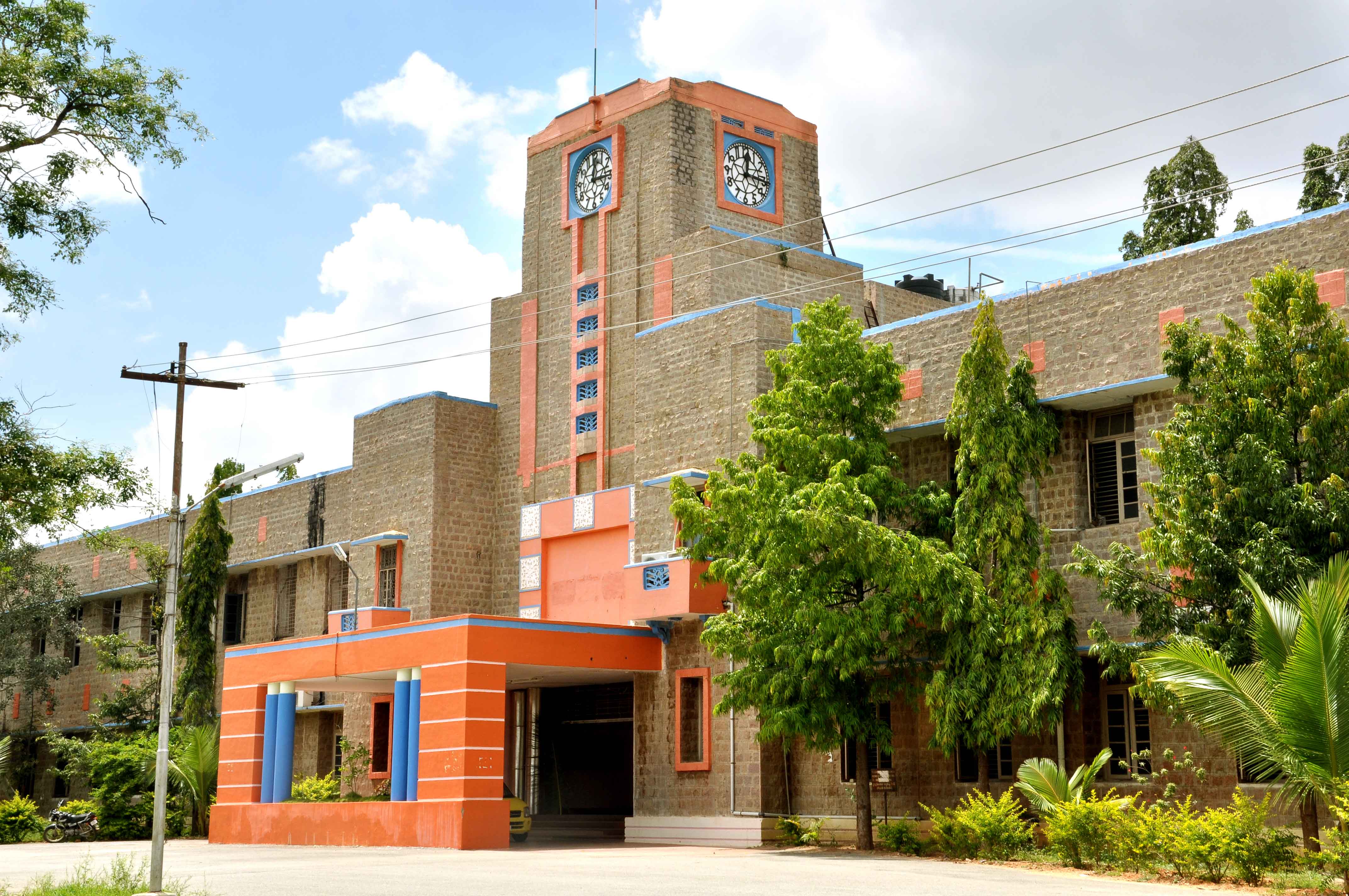
Jawaharlal Nehru Technological University, Anantapur: About Us
Established in 1972 by an Act of the Andhra Pradesh Legislature, Jawaharlal Nehru Technological University, Anantapur (JNTUA) stands as a prominent public university in Andhra Pradesh, India. Renowned as one of India's leading technological universities, JNTUA offers a diverse array of undergraduate and postgraduate programs in engineering, science, technology, pharmacy, and management. The university comprises four constituent colleges, including the JNTUA College of Engineering in Anantapur and Kalikiri, the JNTU College of Pharmacy, and the JNTU College of Management Sciences. Affiliated with numerous engineering, pharmacy, and MBA/MCA colleges, JNTUA emphasizes research and development, hosting various research centres and institutes. Committed to holistic education, JNTUA provides a rich array of extracurricular activities, including sports, cultural events, and student clubs.

Jawaharlal Nehru Technological University, Anantapur Vision, Mission & Objectives
Vision: Be a world-class technological university excelling in teaching, research, and consultancy in engineering, science, & technology, empowering stakeholders for global competition.
Mission:
Provide quality education with industry-relevant curriculum.
Conduct innovative research in various disciplines.
Promote entrepreneurship and enhance employability skills.
Foster global competitiveness through education and collaboration.
Objectives:
Continuously upgrade the curriculum to meet societal and industrial needs.
Motivate students to address real-world challenges through innovation.
Equip students with knowledge, employability skills, and entrepreneurial spirit.
Provide exposure to state-of-the-art technology and learning environments.
Jawaharlal Nehru Technological University, Anantapur Admission Process, Eligibility Criteria and Fee Structure
|
Course |
Admission Process |
Eligibility |
Duration |
Fee Structure |
|
B.Tech |
AP EAMCET/JEE Mains |
10+2 with Maths, Physics, and chemistry |
4 years |
Rs. 70,000 per year |
|
M.Tech |
GATE/PGECET |
B.Tech/B.E in relevant specialization |
2 years |
Rs. 30,000 per semester |
|
MBA |
ICET Exam |
Bachelor's degree |
2 years |
Rs. 70,000 per year |
|
MCA |
APICET Exam |
Bachelor's degree |
3 years |
Rs. 60,000 per year |
|
M.Sc (Mathematics) |
APICET Exam |
B.Sc with Mathematics |
2 years |
Rs. 30,000 per year |
|
Ph.D |
Entrance exam + Interview |
Post-graduation in relevant field |
Min. 3 years |
Rs. 25,000 per year |
How do I apply for admission to Jawaharlal Nehru Technological University, Anantapur?
Check Eligibility: Match your qualifications against the specific program requirements on the JNTUA website or admission brochure.
Appear for the Entrance Exam: Apply and take the relevant entrance exam (TS EAMCET, AP PGECET, AP ICET, etc.) based on your desired program.
Apply Online: Fill out the JNTUA online application form within the stipulated timeframe. Pay the application fee.
Upload Documents: Submit scanned copies of required documents like mark sheets, entrance scorecard, ID proof, etc.
Counselling & Seat Allotment: Attend counselling if required and accept your allotted seat within the specified deadline.
Fee Payment & Document Verification: Pay the necessary fees and submit the original documents for verification at the allotted college.
Jawaharlal Nehru Technological University, Anantapur Facilities
Academic Facilities:
Central Library: Holds over 2.5 lakh books, journals, and digital resources.
Computing facilities: Well-equipped computer labs with high-speed internet access.
Laboratories: Modern laboratories for various disciplines like engineering, science, pharmacy, and management.
Classrooms: Smart classrooms equipped with projectors and other teaching aids.
Other Facilities:
Hostels: Separate hostels for boys and girls with various amenities like Wi-Fi, mess, laundry, and recreation facilities.
Sports Complex: Playgrounds for various sports, gyms, and indoor sports facilities.
Canteens and Food Courts: Multiple options for food and beverages on campus.
Healthcare Centre: Provides medical care and consultation to students.
Student Activity Centre: Promotes extracurricular activities and student clubs.
Central Placement Cell: Assists students with job placements and internships.
Transportation: Bus facilities available within the campus and to nearby locations.
Jawaharlal Nehru Technological University, Anantapur Career Opportunities
Engineering:
Core engineering roles in various sectors like IT, mechanical, civil, electrical, etc.
Design and development roles in companies or startups.
Research and development positions in government or private institutions.
Entrepreneurship ventures leveraging their technical expertise.
Science:
Research scientist roles in research labs, universities, or pharmaceutical companies.
Data analyst or data scientist positions in various industries.
Quality control or assurance roles in manufacturing or production companies.
Science writing or communication careers in education or media.
Pharmacy:
Pharmacist positions in hospitals, clinics, or community pharmacies.
Drug discovery and development roles in pharmaceutical companies.
Medical coding and billing careers in healthcare settings.
Research scientist positions in academia or pharmaceutical research institutions.
Management:
Business analyst or consultant roles in various industries.
Marketing, finance, or operations management positions in companies.
Entrepreneurship ventures leveraging their business skills.
Human resources or management consulting careers.
Jawaharlal Nehru Technological University, Anantapur Placements
Placement Percentage: Typically above 90% for most programs.
Highest Salary offered: Varies by program and year, but can reach up to 20 LPA (e.g., ECE in 2023).
Average Salary offered: Varies by program, generally between 3-5 LPA for B.Tech and higher for specialized programs.
Top Recruiters: Leading companies from diverse sectors like IT (Accenture, Wipro, Infosys), Core Engineering (L&T, Tata Motors), Pharma (Dr. Reddy's, Cipla), Management (Deloitte, McKinsey), and more.
Jawaharlal Nehru Technological University, Anantapur Activities
Technical Activities:
JNTU Tech Fest: An annual extravaganza showcasing innovative projects, workshops, guest lectures, and competitions across various engineering disciplines.
Hackathons: Regular hackathons challenge students to solve real-world problems using their coding skills and creativity.
Workshops and Seminars: Throughout the year, JNTUA hosts workshops and seminars on emerging technologies, industry trends, and career development.
Research Groups and Projects: Students can actively participate in research projects under the guidance of faculty members, gaining valuable experience and contributing to the advancement of knowledge.
Cultural Activities:
JNTU Cultural Fest: A celebration of diverse cultures and artistic expressions through dance, music, drama, and literary events.
Clubs and Societies: JNTUA boasts numerous student-run clubs and societies dedicated to various interests like music, dance, drama, photography, literature, and debate.
Fine Arts Competitions: Competitions in painting, sketching, sculpture, and other forms of visual arts provide a platform for students to showcase their artistic talents.
Film and Theatre Clubs: These clubs organize film screenings, workshops, and theatre productions, fostering creativity and appreciation for the arts.
Social Initiatives:
NSS Cell: The National Service Scheme (NSS) cell actively engages students in social service activities like blood donation camps, literacy campaigns, and environmental awareness programs.
Rotaract Club: This student-run club works towards community development, providing opportunities for students to contribute to social causes.
Swachh Bharat Abhiyan: JNTUA actively participates in the Swachh Bharat Abhiyan (Clean India Mission), organizing cleanliness drives and awareness campaigns on campus and in surrounding communities.
Sports Activities:
Inter-collegiate Sports Tournaments: JNTUA regularly participates in inter-collegiate sports tournaments, offering students a chance to compete at various levels.
Intra-mural Sports Competitions: Throughout the year, JNTUA organizes intra-mural sports competitions for various sports like cricket, football, basketball, volleyball, and athletics.
Gym and Fitness Facilities: The university provides well-equipped gyms and fitness facilities for students to maintain their physical well-being.
Jawaharlal Nehru Technological University, Anantapur Scholarships Programme
Merit-based scholarships: These scholarships are awarded to students based on their academic performance in the previous qualifying examination.
Means-based scholarships: These scholarships are awarded to students from economically disadvantaged backgrounds.
Reservation scholarships: These scholarships are awarded to students belonging to Scheduled Castes (SCs), Scheduled Tribes (STs), and Other Backward Classes (OBCs).
National and state-level scholarships: These scholarships are awarded by the central and state governments to meritorious students.
Endowment scholarships: These scholarships are awarded by individuals or organizations to support students from specific communities or backgrounds.
Merit Scholarship for SC/ST Students: This scholarship is awarded to SC/ST students who have secured a rank within the top 10% in their qualifying examination.
Merit Scholarship for Physically Handicapped Students: This scholarship is awarded to physically handicapped students who have secured a rank within the top 20% in their qualifying examination.
Merit Scholarship for Sports Persons: This scholarship is awarded to sports persons who have represented India at the international level or the state team at the national level.
Financial Assistance to Wards of Ex-Servicemen: This scholarship is awarded to the wards of ex-servicemen who have died in service or while on duty.
Jawaharlal Nehru Technological University, Anantapur Affiliation and Accreditation
Current Status:
Functioning as an autonomous university since 2008 under the Jawaharlal Nehru Technological Universities Act, 2008.
Granted autonomy to design curriculum, conduct examinations, and award degrees, ensuring academic flexibility.
Previous Affiliations:
Madras University (1946-1955):
JNTUA's origins date back to the College of Engineering, Anantapur, affiliated with Madras University.
Sri Venkateswara University, Tirupati (1955-1972):
Subsequent affiliation with Sri Venkateswara University, shaped its academic foundation.
Jawaharlal Nehru Technological University, Hyderabad (1972-2008):
Became a constituent college of JNTU Hyderabad, fostering collaboration and resource sharing within the JNTU network.
Accreditations:
National Assessment and Accreditation Council (NAAC):
Accredited with an 'A' grade, reflecting high academic standards and quality teaching-learning processes.
National Board of Accreditation (NBA):
Several programs accredited by the NBA, especially in engineering and technology disciplines, ensuring industry relevance and curriculum quality.
Jawaharlal Nehru Technological University, Anantapur's FAQs
Q1: When was JNTUA established?
JNTUA was established in 1972 by an act of the Andhra Pradesh Legislature.
Q2: What programs does JNTUA offer?
JNTUA offers a diverse array of undergraduate and postgraduate programs in engineering, science, technology, pharmacy, and management.
Q3: How many constituent colleges does JNTUA have?
JNTUA comprises four constituent colleges, including the JNTUA College of Engineering in Anantapur and Kalikiri, the JNTU College of Pharmacy, and the JNTU College of Management Sciences.
Q4: What is the admission process for B.Tech. at JNTUA?
Admission to B.Tech. is through the AP EAMCET/JEE Mains. Eligibility requires a 10+2 in math, physics, and chemistry.
Q5: How do I apply for admission to JNTUA?
To apply for admission, check eligibility on the JNTUA website, appear for the relevant entrance exam, fill out the online application form, upload required documents, attend counseling (if required), and complete fee payment and document verification.
Q6: What is the fee structure for M.Tech at JNTUA?
The fee structure for M.Tech. is Rs. 30,000 per semester. Admission is through GATE/PGECET, and eligibility requires a B.Tech or B.E. in the relevant specialization.
Q7: What facilities are available at JNTUA?
JNTUA provides academic facilities such as a central library, computing facilities, laboratories, and smart classrooms. Other facilities include hostels, sports complexes, canteens, a healthcare center, and a central placement cell.
Q8: What career opportunities are available after completing a degree from JNTUA?
Career opportunities include core engineering roles, research and development positions, entrepreneurship ventures, and various roles in industries such as IT, pharmaceuticals, and management.
Q9: How are placements at JNTUA?
JNTUA has a placement percentage typically above 90%, with top recruiters from diverse sectors offering competitive salaries. The central placement cell assists students with job placements and internships.
Q10: Are there scholarships available for students at JNTUA?
Yes, JNTUA offers various scholarships, including merit-based, means-based, reservation scholarships, and national/state-level scholarships, catering to different eligibility criteria.
Q11: Is JNTUA affiliated with any accreditation bodies?
Yes, the National Assessment and Accreditation Council (NAAC) has awarded JNTUA an "A" grade, and the National Board of Accreditation (NBA) has accredited several programs.
How Shiksha Hub helps you in
-
 Student Counsellors
 -
 Career Counseling
 -
 Research
 -
 24/7 Support
 -
 Scholarships
 -
 Community