Posted by Admin on 05-03-2025 in Shiksha hub
h.D. From Jawaharlal Nehru Technological University (Anantapur) : Introduction, Fee Structure, Admission Process, Ph.D. Subjects, Documents, Syllabus, Research Methodology, University Highlights, Scholarship, FAQs
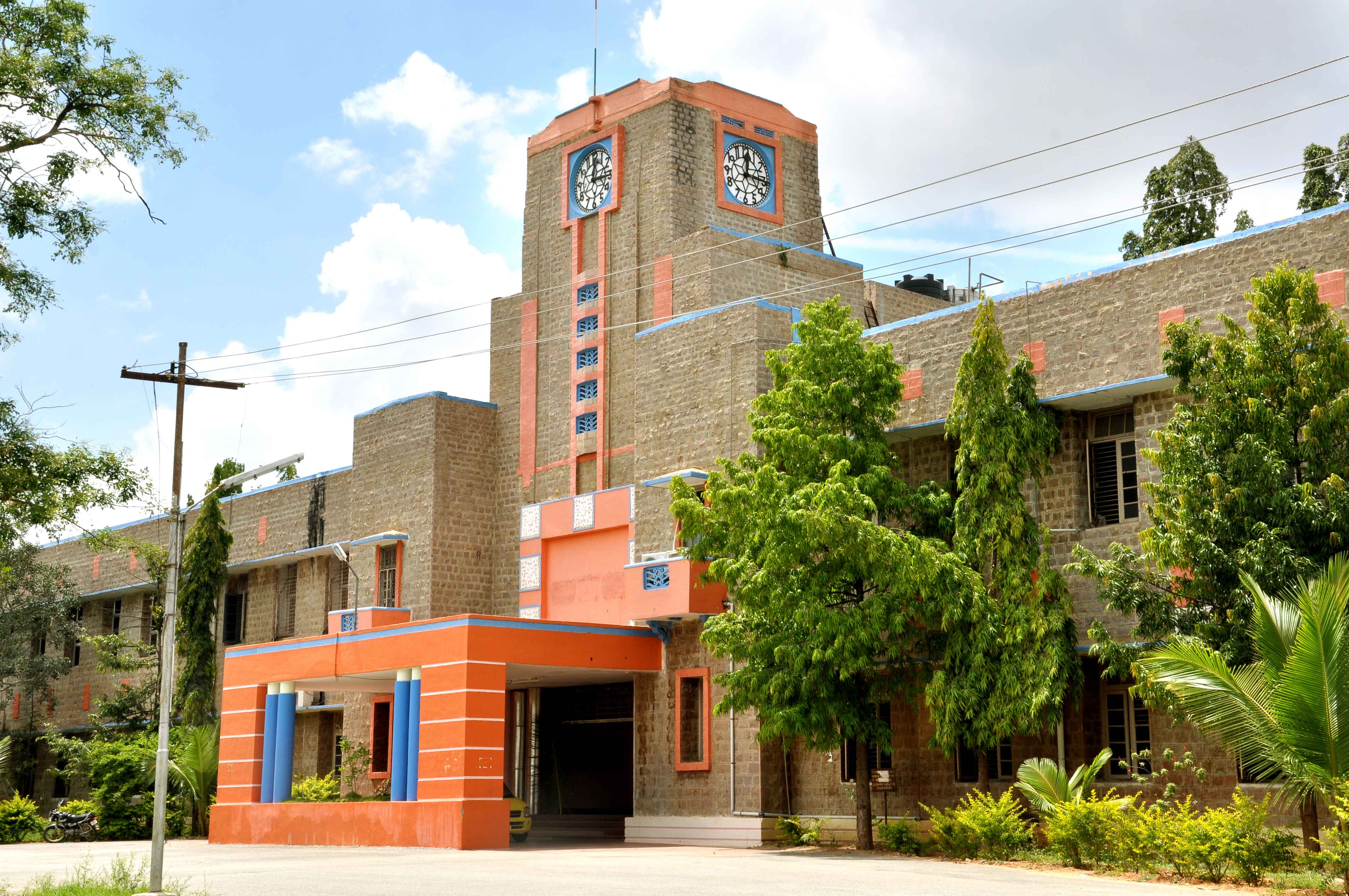
"Introduction about Ph.D. From Jawaharlal Nehru Technological University (Anantapur)"
Jawaharlal Nehru Technological University (Anantapur), often referred to as JNTUA, is a premier institution in Andhra Pradesh dedicated to advancing the fields of engineering, technology, and allied disciplines. With a legacy spanning several decades, JNTUA has established itself as a hub of academic excellence and cutting-edge research, attracting scholars from across the nation. Pursuing a Ph.D. at JNTUA enables candidates to engage in in-depth exploration of emerging technologies, innovative solutions, and interdisciplinary research topics that address current societal and industrial challenges. The university is home to a diverse faculty, many of whom are leading experts in their respective domains. This mentorship, combined with state-of-the-art laboratories, modern infrastructure, and robust industry tie-ups, allows doctoral students to immerse themselves in comprehensive research. JNTUA places a strong emphasis on practical learning and encourages collaboration, both within its own departments and with external organizations. As a result, Ph.D. scholars often find themselves working on projects that have real-world implications, contributing to technological growth and societal development. JNTUA’s doctoral programs span a wide range of fields, including computer science, mechanical engineering, electrical engineering, civil engineering, pharmaceutical sciences, and management studies, among others. Through structured coursework, seminars, and workshops, the Ph.D. curriculum is designed to refine critical thinking, analytical, and problem-solving skills. Additionally, the university’s commitment to innovation extends beyond the classroom, with multiple research centers and special interest groups fostering creativity and intellectual curiosity. Graduates from JNTUA’s Ph.D. programs have gone on to excel in academia, government sectors, corporate R&D, and entrepreneurial ventures, underscoring the institution’s reputation for producing well-rounded and industry-ready professionals.
"Fee Structure for Ph.D. in Jawaharlal Nehru Technological University (Anantapur)"
| Tuition Fee Per Year | Registration | Total Fee |
|---|---|---|
| INR 45,000 | INR 3,000 | INR 48,000 |
" Admission Process For Ph.D. in Jawaharlal Nehru Technological University (Anantapur)"
The Ph.D. admission process at JNTUA is structured to identify candidates who possess strong academic foundations, a clear research vision, and a genuine commitment to scholarly pursuits. Prospective students should review the official university notifications and adhere to the outlined steps to ensure a smooth application experience.
- Check Eligibility: A relevant master’s degree with the minimum required marks or CGPA is typically mandatory.
- Entrance Examination: Candidates may need to appear for a university-specific entrance test or provide valid scores from national-level exams (e.g., GATE, NET).
- Online/Offline Application: Complete the application form, submitting all necessary details and documentation within the given deadline.
- Shortlisting: Based on academic records and entrance exam performance, shortlisted candidates are notified for further assessments.
- Interview/Presentation: Applicants may be asked to present their proposed research or undergo an interview to evaluate their suitability for the doctoral program.
- Final Selection: Successful candidates receive an admission offer, after which they must pay the requisite fees and fulfill any additional formalities to confirm enrollment.
" Ph.D. Subjects in Jawaharlal Nehru Technological University (Anantapur)"
| Subject/Field | Description |
|---|---|
| Computer Science & Engineering | Focus on software engineering, artificial intelligence, data analytics, and emerging computational paradigms. |
| Electrical & Electronics Engineering | Explores power systems, renewable energy, control systems, and advanced electronics design. |
| Mechanical Engineering | Encompasses robotics, advanced manufacturing, thermal sciences, and materials engineering. |
| Civil Engineering | Investigates structural design, geotechnical engineering, environmental sustainability, and transportation systems. |
| Pharmaceutical Sciences | Studies drug discovery, formulation development, pharmacology, and clinical research methodologies. |
| Management Studies | Emphasizes strategic management, human resources, and marketing in tech-oriented industries. |
| Electronics & Communication Engineering | Involves embedded systems, digital communication, VLSI design, and signal processing. |
| Mathematics & Sciences | Centers on theoretical research, computational modeling, and interdisciplinary applications. |
| Chemical Engineering | Focuses on process engineering, biochemical research, and advanced materials development. |
" Document Required For Ph.D. in Jawaharlal Nehru Technological University (Anantapur)"
When applying for the Ph.D. program at JNTUA, it is crucial to gather all required documents to ensure your application is complete and processed efficiently. Below is a general list of the documents commonly required; however, applicants should consult the official university guidelines for any additional or updated requirements.
- Completed Application Form (online or offline)
- Academic Transcripts (Bachelor’s and Master’s degrees)
- Degree Certificates (Provisional or final)
- Proof of Date of Birth (Birth Certificate or equivalent)
- Entrance Exam Scorecard (e.g., GATE, NET, or university-specific test, if required)
- Statement of Purpose (outlining research interests and career goals)
- Letters of Recommendation (from academic or professional mentors)
- Valid Photo ID (Aadhaar, Passport, Driver’s License, etc.)
- Passport-Sized Photographs (as per university specifications)
- Category/Reservation Certificate (if applicable)
"Jawaharlal Nehru Technological University (Anantapur) Ph.D. Syllabus"
| Semester/Phase | Core Topics | Elective/Research Focus |
|---|---|---|
| Phase 1 (Coursework) |
|
|
| Phase 2 (Pre-Research) |
|
|
| Phase 3 (Research & Thesis) |
|
|
"Jawaharlal Nehru Technological University (Anantapur) Research Methodology"
- Collaborative Approach: Encourages teamwork across different engineering and scientific disciplines.
- Experimental Design: Emphasizes structured experimentation, ensuring reproducibility and validity of results.
- Data-Driven Insights: Utilizes advanced statistical and computational tools for analyzing complex datasets.
- Peer-Reviewed Publications: Encourages scholars to publish findings in reputed journals and present at conferences.
- Ethical Standards: Stresses responsible research conduct, intellectual property rights, and adherence to institutional guidelines.
- Regular Feedback: Incorporates periodic reviews and discussions with faculty advisors to refine research objectives.
- Industry Interaction: Facilitates partnerships with corporations and government bodies for applied research projects.
"Jawaharlal Nehru Technological University (Anantapur) Highlights"
| Highlight | Description |
|---|---|
| Location | Anantapur, Andhra Pradesh, India |
| Establishment | Part of the JNTU system with a focus on engineering, technology, and research |
| Academic Programs | Undergraduate, Postgraduate, and Doctoral studies across multiple disciplines |
| Faculty Expertise | Renowned professors and researchers with extensive academic and industry experience |
| Infrastructure | Modern labs, libraries, digital resources, and research centers equipped with advanced facilities |
| Industry Collaborations | Partnerships with leading tech firms, government agencies, and international institutions |
| Research Ecosystem | Encourages innovation, interdisciplinary projects, and entrepreneurship among students |
| Scholarships | Offers multiple funding opportunities, including government fellowships and university grants |
| Global Recognition | Graduates excel in academia, industry, and public service, contributing to technological progress |
" How To Apply For Ph.D. in Jawaharlal Nehru Technological University (Anantapur)"
- Visit Official Website: Check the JNTUA portal for updated Ph.D. admission announcements and eligibility criteria.
- Create an Account: Register on the admissions platform with a valid email ID and mobile number.
- Fill Application Form: Provide personal, academic, and research-related details accurately in the online form.
- Upload Documents: Ensure all required certificates, transcripts, and ID proofs are scanned and uploaded in the correct format.
- Pay Application Fee: Complete the payment via the available online or offline methods, retaining the transaction details.
- Entrance Exam Scores: Submit valid scores for national or university-specific exams (if applicable).
- Statement of Purpose: Prepare a clear SOP outlining your research interests and potential contributions to the field.
- Letters of Recommendation: Obtain recommendations from mentors or professionals who can attest to your research aptitude.
- Interview/Presentation: If shortlisted, present your research proposal or attend an interview to demonstrate subject knowledge.
- Confirm Admission: Upon receiving an offer, finalize admission by paying fees and completing registration formalities.
" Courses After Ph.D. in Jawaharlal Nehru Technological University (Anantapur) "
- Post-Doctoral Fellowships in specialized engineering or scientific fields
- Advanced Management Programs for leadership roles in academia or industry
- Short-Term Certification Courses in emerging technologies (AI, ML, IoT, etc.)
- Entrepreneurship Development Programs and incubator initiatives
"Jawaharlal Nehru Technological University (Anantapur) Scholarship"
Jawaharlal Nehru Technological University (Anantapur) provides several scholarship options to support deserving Ph.D. candidates throughout their research journey. These financial aids help alleviate the burden of tuition fees and living expenses, allowing scholars to focus on academic pursuits and innovative projects. Some of the most common funding sources include government fellowships, such as those provided by UGC-NET or GATE stipends, as well as university-specific grants and industry-sponsored research initiatives. Eligible candidates may also explore project-based funding opportunities where they collaborate with corporate partners or government agencies working on cutting-edge research. These scholarships often come with performance-based incentives, such as travel grants for attending international conferences, or stipends for publishing research in high-impact journals. By actively seeking out and applying for these financial support programs, Ph.D. students at JNTUA can maximize their potential and contribute significantly to the advancement of technology, science, and societal welfare.
- Government Fellowships (UGC, CSIR, GATE, etc.)
- University-Specific Research Grants
- Industry-Funded Projects and Collaborations
- Performance-Based Incentives and Awards
- Travel Grants for Conferences and Workshops
"Jawaharlal Nehru Technological University (Anantapur) FAQ's Regarding Ph.D."
- Q1: What is the usual duration of a Ph.D. at JNTUA?
A1: Typically, a Ph.D. program takes 3-5 years, depending on research complexity and progress. - Q2: Does JNTUA offer part-time or external Ph.D. options?
A2: Yes, certain departments may provide part-time or external Ph.D. tracks for working professionals, subject to eligibility criteria. - Q3: Are there any age restrictions for Ph.D. admissions?
A3: Generally, there is no strict age limit, but applicants must meet academic prerequisites and entrance requirements. - Q4: Can international students apply for the Ph.D. program?
A4: Yes, international candidates are welcome, provided they fulfill the eligibility criteria and visa requirements. - Q5: What type of entrance exams does JNTUA accept for Ph.D. admissions?
A5: The university may accept scores from GATE, NET, or its own entrance test, depending on the chosen department. - Q6: How important is it to publish papers during the Ph.D. program?
A6: Publishing research findings in peer-reviewed journals or conferences is often encouraged and may be mandatory in some departments. - Q7: Is hostel accommodation available for Ph.D. scholars?
A7: Yes, JNTUA typically provides hostel facilities, though availability may be limited and subject to university policies. - Q8: How does JNTUA support industry collaboration for research?
A8: The university partners with various tech firms and government agencies, facilitating joint research projects and internships. - Q9: Can I switch my research area after enrolling in the Ph.D.?
A9: Changing research domains is possible but requires approval from your department and a supervisor in the new field. - Q10: What are the career prospects after completing a Ph.D. from JNTUA?
A10: Graduates often find opportunities in academia, research & development, industry leadership, or entrepreneurial ventures.
How Shiksha Hub helps you in
-
 Student Counsellors
 -
 Career Counseling
 -
 Research
 -
 24/7 Support
 -
 Scholarships
 -
 Community