Posted by Admin on 23-08-2023 in Shiksha hub
Diploma in Veterinary Laboratory Technology, Introduction, Admission, Registration, Eligibility, Duration, Fees, Syllabus 2024
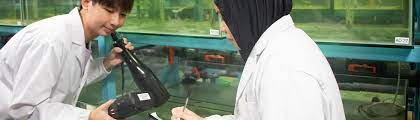
Introduction about DIPLOMA IN VETERINARY LABORATORY TECHNOLOGY
When it comes to the field of veterinary medicine, it's not just about caring for animals' well-being; it's also about diagnosing and treating them effectively. Veterinary Laboratory Technology plays a crucial role in ensuring the health and safety of animals, and those who work in this field are often unsung heroes. In this article, we will delve into the world of Veterinary Laboratory Technology and explore what a Diploma in this field entails.
What is Veterinary Lab Technology?
Veterinary Laboratory Technology, often abbreviated as Vet Lab Tech, is a specialized area within the veterinary industry. It focuses on laboratory procedures, diagnostic testing, and providing accurate results that aid in diagnosing and treating various animal diseases and conditions. Vet Lab Technicians work alongside veterinarians, assisting in the diagnosis and treatment of animals.
Roles of Vet Lab Technicians
Vet Lab Technicians play a vital role in veterinary care. They collect and process various samples, such as blood, urine, and tissue, for diagnostic purposes. They perform laboratory tests, which include analyzing samples and reporting their findings to veterinarians. These findings are essential for diagnosing illnesses, monitoring treatments, and ensuring the overall well-being of animals.
Diploma Curriculum
A Diploma in Veterinary Laboratory Technology equips students with the knowledge and skills required for a successful career in this field. The curriculum typically covers a wide range of topics, including:
Anatomy and Physiology
Understanding the structure and function of animals' bodies is crucial for diagnosing health issues accurately.
Laboratory Techniques
Learning how to operate and maintain lab equipment, as well as conducting various tests and experiments.
Microbiology
Studying microorganisms and how they relate to animal health and diseases.
Animal Health and Disease
Gaining insight into common animal diseases, their symptoms, and treatment methods.
Employment Opportunities
With a Diploma in Veterinary Laboratory Technology, numerous doors open up for you in the job market. Vet Lab Technicians are in high demand in veterinary clinics, research laboratories, zoos, and even in the pharmaceutical industry. The need for skilled professionals in this field continues to grow, making it a promising career choice.
Required Skills
To excel in this profession, certain skills are essential:
Attention to Detail
Strong Analytical Skills
Effective Communication
Ability to Work Under Pressure
Compassion for Animals
Proficiency in Lab Procedures
Practical Training
One of the most valuable aspects of a Vet Lab Tech program is the hands-on experience it provides. Students gain practical skills by working in laboratories, performing diagnostic tests, and handling various types of equipment.
Obtaining Credentials
After completing the diploma program, you can obtain credentials from relevant organizations, such as the National Association of Veterinary Technicians in America (NAVTA). This certification can enhance your career prospects and earning potential.
Advantages of the Diploma
A Diploma in Veterinary Laboratory Technology offers numerous benefits, such as:
Job Security
Opportunities for Advancement
The chance to make a positive impact on animal health
Opportunities in the Field
The veterinary industry is continuously evolving, and Vet Lab Technicians have the opportunity to specialize in areas such as pathology, microbiology, or clinical laboratory science, depending on their interests.
Lab Facilities
Veterinary labs are equipped with advanced technology and equipment for conducting various tests, ensuring accurate and reliable results.
Increasing Need
The demand for Vet Lab Technicians is on the rise. With more people adopting pets and advancements in veterinary medicine, the role of these professionals becomes increasingly important.
Earning Potential
Vet Lab Technicians can earn competitive salaries, with the potential for higher income as they gain experience and additional certifications.
Accredited Programs
When pursuing a diploma, it's essential to choose an accredited program to ensure the quality of education and recognition of your credentials in the industry.
Student Life
As a student in this field, you'll have the opportunity to engage with like-minded individuals who share your passion for animal care. You'll gain practical experience in state-of-the-art laboratories and be mentored by experienced professionals.
How can I apply for admission to DIPLOMA IN VETERINARY LABORATORY TECHNOLOGY
To apply for admission to a Diploma in Veterinary Laboratory Technology program, you can follow these general steps:
Research Programs: Start by researching institutions or colleges that offer Diploma in Veterinary Laboratory Technology programs. Look for accredited institutions, as this ensures the quality of education and recognition of your credentials.
Check Admission Requirements: Review the admission requirements for each program you're interested in. These requirements may include a high school diploma or equivalent, prerequisite courses, standardized test scores, and possibly letters of recommendation.
Gather Required Documents: Collect all the necessary documents, such as transcripts, standardized test scores (if required), letters of recommendation, and a resume (if applicable). Make sure to keep these documents organized and readily accessible.
Submit an Application: Fill out the application form for the program or institution you wish to apply to. The application can usually be completed online through the institution's website. Follow the instructions carefully, and provide accurate information.
Pay Application Fees: Some institutions require an application fee. Be prepared to make the payment as part of the application process. Application fee amounts vary and can sometimes be waived based on financial need.
Write a Personal Statement: Many programs will ask for a personal statement or essay. This is your opportunity to explain why you're interested in Veterinary Laboratory Technology, your career goals, and what you hope to achieve with the diploma.
Letters of Recommendation: If the program requires letters of recommendation, reach out to individuals who can provide strong recommendations on your behalf. These individuals should be familiar with your academic or professional background.
Interview (if applicable): Some programs may require an interview as part of the admission process. Prepare for the interview by researching common interview questions and practicing your responses.
Submit Transcripts: Provide your high school transcripts or equivalent educational records. If you have completed any relevant coursework or have a degree, you may also need to submit those transcripts.
Check Deadlines: Make sure to meet all application deadlines. Missing a deadline can result in your application not being considered.
Financial Aid and Scholarships: Explore financial aid options and scholarships that may be available to you. This can help reduce the cost of your education.
Wait for Admission Decision: After submitting your application, wait for the admission committee to review your materials. This process may take several weeks, so be patient.
Acceptance and Enrollment: If you are offered admission, you will receive an acceptance letter. Follow the instructions in the letter to confirm your enrollment and complete any additional required steps, such as paying a deposit.
Prepare for Classes: Once enrolled, prepare for your classes by obtaining the necessary textbooks and supplies. Familiarize yourself with the program's curriculum and expectations.
What is the eligibility for DIPLOMA IN VETERINARY LABORATORY TECHNOLOGY
The eligibility criteria for a Diploma in Veterinary Laboratory Technology program may vary depending on the institution offering the program. However, I can provide you with a general overview of the typical eligibility requirements that you might encounter:
Educational Background: Most programs require candidates to have a high school diploma or its equivalent. This is the foundational educational requirement. In some cases, you may also need to have a background in specific science-related subjects, such as biology or chemistry.
Minimum Age: Some institutions may have a minimum age requirement for admission. This is typically 17 or 18 years old. However, this requirement can vary.
Prerequisite Courses: Depending on the program, you might be required to have completed specific prerequisite courses before applying. These courses are often in subjects related to biology, chemistry, or medical science. The program's admission information should specify any prerequisite courses.
Language Proficiency: If you are applying to a program in an English-speaking country and English is not your first language, you may be required to demonstrate English language proficiency through standardized tests like TOEFL or IELTS.
Entrance Examinations: Some institutions may require applicants to take entrance examinations or aptitude tests to assess their knowledge and readiness for the program. The content and format of these tests can vary.
Interview (if applicable): In some cases, you may need to attend an interview as part of the admission process. The interview helps the admission committee assess your motivation, goals, and suitability for the program.
Letters of Recommendation: You might be asked to provide letters of recommendation from individuals who can vouch for your academic or professional qualifications. These individuals should be familiar with your background and character.
Experience (if applicable): Some programs may prefer or require applicants to have relevant work or volunteer experience in the field of veterinary or medical science.
Criminal Background Check: For programs that involve working with animals and patients, a criminal background check may be required to ensure the safety and integrity of the program.
Medical Clearance: Programs related to healthcare fields may require students to provide evidence of good health and up-to-date immunizations.
How long does it takes to complete a DIPLOMA IN VETERINARY LABORATORY TECHNOLOGY
The duration to complete a Diploma in Veterinary Laboratory Technology can vary depending on the institution and the specific program's structure. However, a typical Diploma in Veterinary Laboratory Technology program usually takes about 18 to 24 months to complete. Here's a breakdown of the time frame:
Full-Time Programs: If you enroll in a full-time diploma program, you can generally expect to complete it in approximately 18 to 24 months. Full-time programs typically require a more significant time commitment, often involving a higher number of courses and laboratory work.
Part-Time Programs: Some institutions offer part-time diploma programs, which allow students to balance their studies with other responsibilities, such as work or family. Part-time programs may extend the duration to 2 to 3 years or more, depending on the number of courses taken per semester.
Online Programs: Online diploma programs in Veterinary Laboratory Technology are becoming increasingly popular. These programs often offer flexibility in terms of the pace of study. Depending on the online program's structure and your personal study speed, you may complete the diploma in a timeframe that suits your schedule.
Accelerated Programs: In some cases, institutions offer accelerated diploma programs that compress the curriculum into a shorter duration, such as 12 to 18 months. These programs are typically more intensive and require a significant time commitment.
What are potential career opportunities after DIPLOMA IN VETERINARY LABORATORY TECHNOLOGY
A Diploma in Veterinary Laboratory Technology opens up a range of potential career opportunities in the field of veterinary medicine and laboratory science. Here are some of the career paths you can pursue after completing your diploma:
Veterinary Lab Technician: As a Veterinary Laboratory Technician, you can work in veterinary clinics, animal hospitals, research laboratories, and diagnostic facilities. Your role would involve conducting laboratory tests, analyzing samples, and assisting veterinarians in diagnosing and treating animal diseases.
Animal Health Technologist: Animal health technologists work with veterinarians to provide comprehensive care to animals. They conduct various diagnostic tests, administer treatments, and monitor the well-being of animals.
Research Assistant: If you have a strong interest in research, you can work as a research assistant in laboratories or research institutions. Your responsibilities may include data collection, sample analysis, and assisting in research projects related to animal health and diseases.
Zoo Technician: Some graduates find opportunities to work in zoos, aquariums, and wildlife rehabilitation centers. Zoo technicians are responsible for the health and well-being of animals in captivity. They may also participate in conservation efforts and research.
Pharmaceutical Industry: The pharmaceutical industry often hires Veterinary Laboratory Technicians to work in quality control, research and development, and clinical trials related to animal health products and medications.
Diagnostic Laboratory Technologist: You can work in diagnostic laboratories specializing in veterinary diagnostics. Your role would involve conducting tests, interpreting results, and reporting findings to veterinarians and clients.
Animal Control Officer: Animal control officers help manage and protect animals in the community. They may investigate cases of animal abuse, enforce animal welfare laws, and ensure the safety of both animals and the public.
Teaching and Education: With additional education and experience, you can pursue a career in teaching and education. This may include becoming an instructor in veterinary technology programs or providing training to aspiring veterinary laboratory technicians.
Public Health Inspector: Public health inspectors in the field of animal health and safety help ensure that public health standards are met in areas where animals are kept or used for various purposes. They play a critical role in disease prevention and control.
Pathology Laboratory Technician: Pathology laboratory technicians specialize in the examination of tissues, organs, and bodily fluids to diagnose diseases in animals. They work in pathology laboratories, veterinary schools, and diagnostic facilities.
Sales and Technical Support: Some graduates choose careers in sales and technical support, working for companies that supply laboratory equipment, diagnostic tools, or animal health products. They provide technical expertise and assistance to veterinary clinics and laboratories.
Veterinary Hospital Manager: With experience and additional training, you can pursue roles as a veterinary hospital or clinic manager. This position involves overseeing the daily operations, staff management, and financial aspects of a veterinary facility.
Syllabus of DIPLOMA IN VETERINARY LABORATORY TECHNOLOGY
The specific syllabus for a Diploma in Veterinary Laboratory Technology can vary from one institution to another. However, I can provide a general overview of the topics and subjects that are typically covered in such a program on a semester-wise basis. Please note that the order and duration of these subjects may differ between programs. Here's a sample syllabus:
Semester 1:
Introduction to Veterinary Laboratory Technology
Overview of the field
Role and responsibilities of a veterinary laboratory technician
Animal Anatomy and Physiology
Study of animal body systems
Basic understanding of animal physiology
Basic Chemistry and Biochemistry
Introduction to chemical concepts
Biochemical processes in animals
Microbiology
Study of microorganisms
Laboratory techniques for microbiological analysis
Laboratory Safety and Techniques
Safety protocols in the laboratory
Introduction to laboratory equipment and procedures
Semester 2:
Veterinary Parasitology
Identification and management of animal parasites
Diagnostic techniques for parasitology
Hematology and Blood Banking
Study of blood components
Techniques for analyzing blood samples
Clinical Pathology
Laboratory procedures for diagnosing diseases
Understanding clinical signs and symptoms
Animal Pharmacology
Introduction to medications and drug administration
Dosage calculations for animals
Anesthesia and Surgical Assistance
Techniques for assisting in surgeries
Anesthesia administration and monitoring
Semester 3:
Immunology
Study of the immune system
Immunological techniques and tests
Diagnostic Imaging
Introduction to radiography and diagnostic imaging equipment
Interpretation of diagnostic images
Clinical Laboratory Management
Laboratory quality control and management
Record-keeping and documentation
Veterinary Hospital and Clinic Procedures
Procedures for working in veterinary clinics
Client interaction and communication
Semester 4:
Clinical Pathology Practicum
Practical experience in a clinical laboratory
Hands-on diagnostic testing
Animal Nutrition and Dietetics
Understanding animal nutrition
Creating diet plans for animals
Veterinary Ethics and Laws
Ethical considerations in veterinary care
Laws and regulations related to animal health
Clinical Internship
Real-world experience working in a veterinary clinic or laboratory
Application of skills learned in the program
Internship opportunities after completing DIPLOMA IN VETERINARY LABORATORY TECHNOLOGY
After completing a Diploma in Veterinary Laboratory Technology, you'll have various internship opportunities to gain hands-on experience in the field. These internships provide you with practical exposure to the work environment, allowing you to apply the knowledge and skills you've acquired during your studies. Here are some potential internship opportunities:
Veterinary Clinics and Hospitals: Many veterinary clinics and animal hospitals offer internships for Veterinary Laboratory Technicians. During these internships, you can assist veterinarians with diagnostic tests, sample analysis, and patient care. You'll gain experience in a clinical setting and work with a variety of animals.
Research Laboratories: Research institutions and laboratories often provide internships for individuals interested in the research aspect of veterinary science. You may assist researchers in conducting experiments, data collection, and analysis related to animal health and diseases.
Zoos and Wildlife Facilities: Zoos, wildlife sanctuaries, and rehabilitation centers offer internships for those interested in working with exotic and wild animals. These internships provide a unique opportunity to learn about the care and health management of a diverse range of species.
Diagnostic Laboratories: Diagnostic laboratories specializing in veterinary diagnostics frequently provide internships. You'll be involved in conducting various laboratory tests, sample processing, and result reporting, gaining experience in clinical diagnostic procedures.
Pharmaceutical Companies: Pharmaceutical companies that focus on animal health products often offer internships in areas like quality control, research, and product development. This exposure can help you understand the pharmaceutical side of veterinary medicine.
Government and Public Health: Some government agencies and public health organizations may offer internships related to animal health, particularly in areas like disease control, epidemiology, and public health inspection.
Veterinary Schools and Universities: Veterinary schools and universities sometimes provide internships to diploma graduates. These internships can offer opportunities to work alongside veterinary professors and students in educational and research settings.
Biotechnology Companies: Biotechnology companies that develop veterinary products and diagnostic tools may offer internships in research and development. You can learn about cutting-edge technologies in the field.
Animal Shelters and Rescue Organizations: Interning at animal shelters and rescue organizations can provide you with experience in animal welfare, rescue, and rehabilitation. You may assist with animal care, health assessments, and disease control.
Food Safety and Inspection Agencies: Some food safety and inspection agencies hire interns to work on animal health and food safety-related projects. These internships focus on ensuring the safety of animal products and the food supply.
Pathology Laboratories: Pathology laboratories specializing in veterinary pathology often offer internships to individuals interested in the study of diseases in animals. You may be involved in post-mortem examinations and disease investigation.
Dairy and Livestock Operations: If you have an interest in large animal health, internships on dairy farms or livestock operations can provide valuable experience in herd health management, disease control, and reproductive health.
Scholarship and grants for DIPLOMA IN VETERINARY LABORATORY TECHNOLOGY
Scholarships and grants for a Diploma in Veterinary Laboratory Technology are available to help students offset the cost of their education. These financial aid options can come from various sources, including educational institutions, government agencies, private organizations, and foundations. Here are some common types of scholarships and grants you can explore:
Institutional Scholarships: Many educational institutions offering Diploma in Veterinary Laboratory Technology programs provide scholarships and grants to their students. These awards can be based on academic merit, financial need, or other criteria specific to the institution. Check with your school's financial aid office for information on available scholarships.
Government Aid: Depending on your location, government agencies may offer financial aid programs, including scholarships, grants, and loans for students pursuing veterinary technology or related fields. These programs can be provided at the federal, state, or local level.
Professional Associations: Some veterinary and animal health professional organizations offer scholarships to students pursuing a career in veterinary technology. Examples include the National Association of Veterinary Technicians in America (NAVTA) and state-level veterinary technician associations.
Veterinary Clinics and Hospitals: Some veterinary clinics and hospitals offer scholarships or financial assistance to students in exchange for a commitment to work at their facility after graduation. These opportunities may be particularly prevalent in rural areas.
Corporate and Industry Scholarships: Companies and organizations within the animal health and pharmaceutical industries may provide scholarships to support students pursuing a career in veterinary laboratory technology. These scholarships are often tied to specific criteria or interests of the company.
Nonprofit Organizations: Various nonprofit organizations and foundations support students in the veterinary field through scholarships and grants. These organizations may have specific missions related to animal welfare or healthcare.
Merit-Based Scholarships: Many scholarships are awarded based on academic performance, leadership, or other accomplishments. Search for general merit-based scholarships that you may qualify for as a veterinary technology student.
Need-Based Scholarships: Scholarships and grants are often available for students with demonstrated financial need. These awards can help cover tuition, fees, and living expenses.
Minority and Diversity Scholarships: Some scholarships are designed to support underrepresented minority students in veterinary technology. If you belong to a minority group, explore opportunities tailored to your background.
Specific Interests and Specializations: Depending on your interests and career goals, you can find scholarships related to specific areas within veterinary technology, such as laboratory animal science, wildlife rehabilitation, or research.
Community Foundation Scholarships: Local community foundations often offer scholarships to residents pursuing higher education. Check with your local foundation for available opportunities.
Conclusion
In conclusion, a Diploma in Veterinary Laboratory Technology opens doors to a fulfilling career in the world of animal healthcare. With a growing demand for skilled professionals in this field, it offers job security, competitive salaries, and the opportunity to make a meaningful impact on the lives of animals.
FAQ,s
What is a Diploma in Veterinary Laboratory Technology (DVLT)?
A Diploma in Veterinary Laboratory Technology is a specialized program that trains students in laboratory procedures, diagnostic testing, and the role of veterinary laboratory technicians in diagnosing and treating animal diseases.
What are the eligibility requirements for enrolling in a DVLT program?
Eligibility requirements can vary by institution, but they typically include a high school diploma or equivalent. Some programs may require prerequisite science courses.
How long does it take to complete a DVLT program?
A DVLT program usually takes about 18 to 24 months to complete. The duration may vary based on factors like full-time or part-time enrollment.
What career opportunities are available after completing a DVLT program?
Graduates can pursue careers as veterinary laboratory technicians, research assistants, animal health technologists, and more. There are opportunities in veterinary clinics, research laboratories, zoos, and the pharmaceutical industry.
Are there any internships or practical experiences included in DVLT programs?
Many DVLT programs include internships or clinical experiences, allowing students to gain hands-on training in real-world laboratory settings.
What skills are essential for success in the field of veterinary laboratory technology?
Skills such as attention to detail, strong analytical abilities, effective communication, the ability to work under pressure, and compassion for animals are crucial in this field.
Are there scholarships or financial aid options available for DVLT students?
Yes, there are scholarships, grants, and financial aid programs offered by educational institutions, government agencies, professional associations, and private organizations to help students fund their education.
Can I specialize in a particular area within veterinary laboratory technology?
Yes, after completing a DVLT program, you can specialize in areas such as clinical laboratory science, pathology, microbiology, or other areas of interest within the field.
What is the job outlook for veterinary laboratory technicians?
The demand for veterinary laboratory technicians is on the rise, and there is a positive job outlook. As more people adopt pets and veterinary medicine advances, the need for skilled professionals in this field continues to grow.
Is DVLT a suitable choice for individuals passionate about animal care and laboratory work?
Yes, DVLT is an excellent choice for those who have a passion for animals and are interested in the intersection of science and healthcare. It offers a rewarding career that allows individuals to make a positive impact on animal health and well-being.
How Shiksha Hub helps you in
-
 Student Counsellors
 -
 Career Counseling
 -
 Research
 -
 24/7 Support
 -
 Scholarships
 -
 Community