Posted by Admin on 15-07-2023 in Shiksha hub
Diploma In Civil Draughts Man, Introduction, Admission, Registration, Eligibility, Duration, Fees, Syllabus 2024
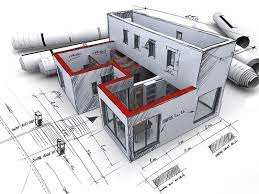
Introduction about Diploma In Civil Draughts Man
Diploma in Civil Draughtsman: Building the Blueprint of Tomorrow
In the realm of construction and architecture, precision is key. The blueprint, which serves as the backbone of every building, is a testament to this precision. A Diploma in Civil Draughtsman is your gateway to mastering the art of translating architectural designs into detailed technical drawings. This article will take you through the intriguing world of Civil Draughtsmen, explaining the significance of their role, the educational requirements, job opportunities, and much more.
Importance of Civil Draughtsmen
Every grand structure we admire, from skyscrapers to bridges, begins with a blueprint. Civil Draughtsmen play a pivotal role in creating these blueprints, ensuring that the designs are transformed into detailed and accurate drawings. These drawings are the basis upon which construction projects are executed, making Civil Draughtsmen the unsung heroes of the construction industry.
Educational Requirements
To embark on a journey as a Civil Draughtsman, a diploma in this field is typically required. The educational prerequisites include a high school diploma or equivalent, and some programs may require a certain level of proficiency in mathematics and computer-aided design (CAD) software.
Course Curriculum
Fundamental Concepts
The curriculum of a Diploma in Civil Draughtsman program starts with the fundamentals. Students learn about construction materials, technical drawing principles, and the basics of structural engineering.
Drafting and Design Principles
This section delves into the art of creating precise drawings. Students gain expertise in using drafting tools and software to produce detailed plans for construction projects.
AutoCAD and Other Software
Proficiency in AutoCAD and other industry-standard software is essential for modern Civil Draughtsmen. This training ensures that students can create digital drawings efficiently.
Building Codes and Regulations
An understanding of local building codes and regulations is crucial. Students learn how to incorporate these into their drawings to ensure compliance and safety.
Job Opportunities for Civil Draughtsmen
A Diploma in Civil Draughtsman opens doors to a wide range of job opportunities. Graduates can work with architectural firms, engineering companies, construction companies, and government agencies. They may find employment as Draughtsmen, CAD Operators, or even as part of project management teams.
Salary Expectations
The earning potential for Civil Draughtsmen varies depending on factors such as experience, location, and employer. On average, professionals in this field can expect a competitive salary that reflects their expertise.
Skills Required
Civil Draughtsmen need to possess a unique skill set. They must be detail-oriented, have excellent problem-solving skills, and be proficient in CAD software. Effective communication and teamwork are also crucial.
Advantages of Pursuing a Diploma in Civil Draughtsman
Pursuing a Diploma in Civil Draughtsman offers several advantages. It provides a specialized education, excellent job prospects, and the opportunity to contribute to the construction industry's growth and innovation.
Top Institutes Offering the Program
Several renowned institutes offer Diploma in Civil Draughtsman programs. These include technical colleges, vocational schools, and online institutions. Some notable options include XYZ Institute, ABC Technical College, and DEF Online Academy.
Tips for Success in the Field
Success as a Civil Draughtsman requires continuous learning and staying updated with the latest software and industry trends. Networking with professionals in the field can also open up new opportunities.
Challenges in the Industry
While a rewarding field, Civil Draughtsmen may face challenges such as tight deadlines and the need for meticulous work. Adapting to changes in building codes and technology is also a constant requirement.
Future Trends
The role of Civil Draughtsmen is evolving with advancements in technology. 3D modeling and Building Information Modeling (BIM) are becoming increasingly important in the field, making it essential for professionals to adapt and learn new skills.
How can I apply for admission to Diploma In Civil Draughts Man Program
To apply for admission to a Diploma in Civil Draughtsman program, you can follow these general steps:
Research Institutes: Start by researching institutes or colleges that offer the Diploma in Civil Draughtsman program. You can do this by visiting their websites, attending career fairs, or seeking recommendations from educators or professionals in the field.
Check Admission Requirements: Each institute may have specific admission requirements. Make sure to review these requirements on the institute's website or contact their admission department. Typically, you will need a high school diploma or its equivalent.
Prepare Your Academic Records: Gather your academic records, including your high school transcripts and any relevant certificates or qualifications. You may need to provide copies of these documents during the application process.
Application Form: Fill out the application form provided by the institute. This form will require your personal information, educational history, and contact details. Some institutes offer online application forms for convenience.
Application Fee: Be prepared to pay an application fee. The amount may vary from one institute to another. Ensure that you pay this fee according to the institute's instructions.
Submit Supporting Documents: In addition to the application form, you may be required to submit supporting documents, such as a resume, letters of recommendation, a statement of purpose, or a portfolio of previous work (if applicable).
Entrance Exams: Some institutes may require you to take an entrance exam or provide standardized test scores, such as the SAT or ACT. Check the specific requirements of the institute you're applying to.
Interview: Prepare for an interview if it is part of the admission process. This may be a formal interview or a casual discussion about your interest in the program.
Financial Aid: If you require financial aid or scholarships, research the institute's options and deadlines for applying for financial assistance.
Submit Your Application: Complete the application process by submitting all required documents and paying the application fee. Ensure that you meet the application deadline.
Wait for Admission Decision: Once you've submitted your application, you'll need to wait for the admission committee's decision. This may take several weeks, so be patient.
Acceptance and Enrollment: If you receive an acceptance letter, review it carefully. It will provide instructions on how to enroll in the program, pay tuition, and other essential details.
Prepare for Classes: Once you're officially enrolled, prepare for your classes. Purchase any required textbooks or materials and be ready for the start of the program.
What is the eligibility for Diploma In Civil Draughts Man
The eligibility criteria for a Diploma in Civil Draughtsman program may vary from one educational institution to another, but here are some general guidelines:
Educational Qualifications: Typically, candidates are required to have completed their high school education or an equivalent qualification, such as a high school diploma or GED (General Educational Development). It's essential to have a strong foundation in mathematics, as this is a critical skill in civil draughting.
Minimum Age: Some institutions may have a minimum age requirement for admission. It's important to check with the specific institute you're interested in to determine if there is a minimum age criterion.
Language Proficiency: Since the program is usually conducted in English, applicants may be required to demonstrate proficiency in the English language. This can be done through standardized language tests like the TOEFL or IELTS, or the institution may have its own language proficiency test.
Computer Skills: Given the importance of computer-aided design (CAD) software in civil draughting, having basic computer skills may be beneficial. Some institutions may require you to demonstrate a basic understanding of computer operations.
Entrance Exams: Certain institutions may conduct entrance exams or aptitude tests to assess your readiness for the program. These exams may evaluate your mathematical, technical, and drawing skills.
Personal Statement: In some cases, you may need to submit a personal statement or statement of purpose as part of your application. This statement should highlight your interest in civil draughting and your motivation for pursuing the program.
Interview: Some institutes may require you to attend an interview as part of the admission process. This interview allows the institution to get to know you better and assess your suitability for the program.
How long does it takes to complete a Diploma In Civil Draughts Man program
The duration of a Diploma in Civil Draughtsman program can vary depending on the educational institution and the specific program's curriculum. However, on average, a Diploma in Civil Draughtsman program typically takes about 1 to 2 years to complete. Here are some factors that can influence the program's duration:
Full-Time vs. Part-Time: Many institutions offer both full-time and part-time options. Full-time programs are typically shorter, often taking about 1 year to complete. Part-time programs allow students to study at a more relaxed pace and may take 2 years or more.
Program Structure: The structure of the program can impact its length. Some programs may offer intensive coursework over a shorter duration, while others may include practical training, co-op work terms, or internships that extend the program's length.
Credit Hours: The number of credit hours required for the program can vary. Some programs may require a specific number of credit hours for graduation, and the more credit hours required, the longer the program.
Curriculum Complexity: Programs with a more extensive curriculum or those that cover advanced topics in civil draughting may take longer to complete. Similarly, if the program includes a significant amount of technical or hands-on training, it can add to the program's duration.
Student's Pace: The pace at which individual students progress through the program can also affect the duration. Some students may complete the program more quickly, while others may take longer due to personal circumstances or preferences.
Institutional Policies: Specific institutions may have their own policies regarding program length. It's essential to review the details of the program you're interested in to understand its specific requirements and duration.
What are potential career opportunities after Diploma In Civil Draughts Man
After completing a Diploma in Civil Draughtsman program, you open up various potential career opportunities in the field of civil draughting and related areas in the construction and architecture industry. Here are some of the potential career opportunities:
Civil Draughtsman: As the most direct career path, you can work as a Civil Draughtsman. In this role, you'll be responsible for creating detailed technical drawings and blueprints for construction projects. You'll collaborate with architects, engineers, and construction teams to ensure that designs are accurately translated into working plans.
CAD Operator: Many civil draughtsmen work as Computer-Aided Design (CAD) operators. In this role, you use specialized software like AutoCAD to create and modify technical drawings and schematics. CAD operators play a crucial role in the design and planning phase of construction projects.
Drafting Technician: Drafting technicians work alongside engineers and architects to convert their ideas and designs into precise technical drawings. They ensure that the drawings adhere to industry standards and regulations.
BIM Technician: Building Information Modeling (BIM) is becoming increasingly important in the construction industry. BIM technicians use BIM software to create 3D models and data-rich digital representations of construction projects. This technology helps in project coordination and management.
Structural Drafter: Structural drafters specialize in creating detailed drawings and plans for the structural components of buildings and infrastructure. They work closely with structural engineers to ensure the safety and integrity of the structures.
Architectural Draughtsman: Architectural draughtsmen focus on creating technical drawings and plans specifically for architectural projects. They assist architects in bringing their design concepts to life through detailed drawings.
Construction Project Coordinator: With experience, you may progress to a role as a construction project coordinator or manager. These professionals oversee the execution of construction projects, ensuring that they are completed on time and within budget. A background in civil draughting can be valuable in this role.
Quality Control Inspector: Quality control inspectors play a crucial role in ensuring that construction projects meet quality and safety standards. A background in civil draughting can help in understanding project details and specifications.
Consultant: Some civil draughtsmen choose to work as consultants, offering their expertise to multiple clients or firms. They provide guidance on technical drawing, CAD software, and construction design best practices.
Teaching and Training: With experience and additional education, you can explore opportunities in teaching and training future civil draughtsmen. You can become an instructor in educational institutions or offer training services in CAD software.
Self-Employment: Some individuals with a Diploma in Civil Draughtsman choose to work as freelance draughtsmen, taking on projects from various clients. This offers flexibility and the opportunity to work on a diverse range of projects.
Syllabus of Diploma In Civil Draughts Man
The syllabus of a Diploma in Civil Draughtsman program is typically divided into various semesters, with each semester covering specific topics and skills related to civil draughting. Please note that the exact syllabus may vary depending on the educational institution and the program's curriculum. Below is a general outline of what you might expect in a semester-wise breakdown:
Semester 1: Introduction to Civil Draughting
Fundamentals of civil engineering and construction
Introduction to technical drawing
Use of drafting tools and equipment
Basic CAD software skills
Drafting and detailing of simple structures
Semester 2: Building Construction
Building materials and construction techniques
Structural drawings for residential buildings
Introduction to building codes and regulations
Creating floor plans and elevations
Practical drafting exercises
Semester 3: Architectural Draughting
Architectural drafting principles
Drawing and detailing architectural plans
Site plans and landscaping
Working with building layouts and designs
Computer-aided design (CAD) for architectural drafting
Semester 4: Structural Draughting
Structural systems and components
Detailed structural drawings for buildings
Reinforcement detailing and bar bending schedules
Introduction to structural analysis
Advanced CAD software usage for structural drafting
Semester 5: Electrical and Plumbing Draughting
Electrical and plumbing systems in buildings
Electrical layouts and schematics
Plumbing layouts and isometrics
Coordination of electrical and plumbing plans
Drafting electrical and plumbing details
Semester 6: Advanced Topics
Advanced CAD techniques and 3D modeling
Building Information Modeling (BIM)
Construction project management
Quantity surveying and estimating
Capstone project and practical experience
Semester 7: Internship/Practical Training (Optional)
On-the-job training with construction or architectural firms
Gaining real-world experience in draughting
Practical application of skills learned in earlier semesters
Semester 8: Specialization (Optional)
Specialization in areas like structural draughting, architectural draughting, or BIM
Advanced coursework and project work in the chosen specialization
Internship opportunities after completing Diploma In Civil Draughts Man
After completing a Diploma in Civil Draughtsman program, there are several internship opportunities that can help you gain valuable practical experience in the field. Internships are an excellent way to apply the skills and knowledge you've acquired during your diploma program to real-world projects and build a strong foundation for your career. Here are some internship opportunities you can explore:
Architectural Firms: Many architectural firms offer internships for civil draughtsmen. You can work closely with architects and other professionals to create detailed architectural drawings and plans. This experience will provide insights into the design and planning phases of construction projects.
Engineering Companies: Engineering firms often require the expertise of civil draughtsmen. Interning with an engineering company will expose you to the technical aspects of draughting, including structural and mechanical drawings.
Construction Companies: Construction firms also offer internship opportunities. You can be involved in creating construction drawings, collaborating with project managers, and observing the construction process on-site. This experience is valuable for understanding the practical implementation of your drawings.
Consulting Firms: Civil draughtsmen can work with consulting firms that offer services related to design, project management, and regulatory compliance. Interning with a consulting firm can expose you to a wide range of projects and clients.
Government Agencies: Some government departments, such as departments of public works or transportation, may offer internships. Here, you can work on projects related to infrastructure development, urban planning, and public construction projects.
BIM Modeling Firms: If you have expertise in Building Information Modeling (BIM), you can intern with BIM modeling firms. BIM interns assist in creating 3D models and data-rich digital representations of construction projects, gaining experience with cutting-edge technology.
Real Estate and Development Companies: Real estate and property development companies often require civil draughtsmen for land development and building projects. Interning in this sector can provide exposure to site planning and land development projects.
Facilities Management Companies: Facilities management companies oversee the operation and maintenance of built environments. An internship with such a company can give you insights into managing and maintaining structures and facilities.
Utility Companies: Utility companies, such as those responsible for water, electricity, or telecommunications infrastructure, may offer internships related to utility network design and mapping.
Non-Governmental Organizations (NGOs): Some NGOs work on construction and development projects in underserved communities. Interning with an NGO can allow you to contribute to meaningful projects with a humanitarian focus.
Scholorship and grants for Diploma In Civil Draughts Man
Scholarships and grants can be instrumental in reducing the financial burden of pursuing a Diploma in Civil Draughtsman program. While the availability and eligibility criteria for scholarships and grants may vary depending on your location and the specific institution you plan to attend, here are some common sources of financial assistance to consider:
Institutional Scholarships: Many educational institutions offer scholarships to students based on academic merit, financial need, or a combination of both. Check with the institution where you plan to enroll for information on scholarships specifically available for their civil draughting program.
Government Scholarships: In some countries, government agencies provide scholarships or grants to students pursuing technical or vocational programs like civil draughting. These scholarships may be based on merit, financial need, or other criteria.
Professional Associations: Professional organizations related to civil draughting and construction, such as the American Design Drafting Association (ADDA), may offer scholarships to students pursuing related programs. Research associations in your area for potential opportunities.
Private Foundations: Many private organizations and foundations offer scholarships to students pursuing technical or vocational education. Some of these scholarships are industry-specific and may be relevant to civil draughting.
Industry-Specific Scholarships: Some construction and engineering companies, especially those with a focus on design and drafting, offer scholarships to support students in this field. It's worth exploring opportunities with local companies.
Community and Nonprofit Organizations: Local community organizations and nonprofits sometimes provide financial assistance to students in their communities. These opportunities may not be widely advertised, so inquire locally.
State and Regional Grants: Depending on your location, you may be eligible for state or regional grants that support technical education. Contact your state's department of education or a similar agency for information on available grants.
Financial Aid Programs: Some institutions have their financial aid programs, which can include grants and work-study opportunities. These programs are often designed to support students with demonstrated financial need.
Corporate Sponsorships: In some cases, companies may sponsor students by covering a portion or all of their educational expenses in exchange for a commitment to work for the company for a specified period after graduation.
Online Scholarship Databases: Utilize online scholarship search engines and databases to identify scholarships and grants relevant to your field of study. Websites like Fastweb, Scholarship.com, and Scholarships.com can be valuable resources.
Conclusion
In conclusion, a Diploma in Civil Draughtsman is a stepping stone to a dynamic and integral career in the construction industry. Civil Draughtsmen are the architects behind the blueprints, ensuring that every structure stands tall and strong. If you're interested in precision, design, and contributing to the built environment, this diploma could be your perfect fit.
FAQ on Diploma In Civil Draughts Man
What is a Diploma in Civil Draughtsman?
A Diploma in Civil Draughtsman is a technical program that prepares individuals to create detailed technical drawings and blueprints for construction projects. It involves the use of computer-aided design (CAD) software and traditional drafting techniques.
What are the eligibility criteria for this program?
Typically, the eligibility criteria include a high school diploma or its equivalent, a certain level of proficiency in mathematics, and sometimes a demonstration of English language proficiency.
How long does it take to complete a Diploma in Civil Draughtsman program?
The duration of the program varies but generally takes about 1 to 2 years. Some programs may offer part-time options that extend the duration.
What topics are covered in the curriculum of this program?
The curriculum covers a range of subjects, including technical drawing, CAD software usage, building codes and regulations, structural drawings, and more. It is designed to provide comprehensive training in civil draughting.
What career opportunities are available after completing this program?
Graduates can pursue careers as Civil Draughtsmen, CAD Operators, Drafting Technicians, or work in roles related to architecture, engineering, and construction.
Is this program suitable for someone interested in architectural design?
Yes, a Diploma in Civil Draughtsman program often covers architectural drawing principles and is suitable for those interested in architectural design.
Do I need to have prior drawing or drafting experience to enroll in this program?
No, you don't typically need prior drawing or drafting experience. The program is designed to teach you the necessary skills from scratch.
Are there opportunities for internships or practical experience during the program?
Many programs include internships or practical experience components where students can apply their skills on real projects and gain hands-on experience.
What are the potential earnings for Civil Draughtsmen after completing the program?
Earnings can vary depending on factors like location, experience, and the specific role. On average, Civil Draughtsmen can expect competitive salaries given their specialized skills.
Can I further my education after completing a Diploma in Civil Draughtsman?
Yes, you can pursue further education, such as a degree in engineering or architecture, to expand your career opportunities and knowledge in the field.
How Shiksha Hub helps you in
-
 Student Counsellors
 -
 Career Counseling
 -
 Research
 -
 24/7 Support
 -
 Scholarships
 -
 Community