Posted by Admin on 24-08-2023 in Shiksha hub
B.V.Sc. Veterinary Medicine, Public Health and Hygiene, Introduction, Admission, Registration, Eligibility, Duration, Fees, Syllabus 2024
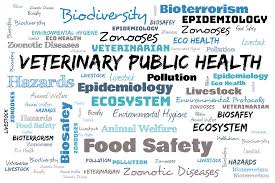
Introduction about B.V.SC. VETERINARY MEDICINE, PUBLIC HEALTH AND HYGIENE
B.V.Sc., or Bachelor of Veterinary Science, is a comprehensive academic program that equips students with the knowledge and skills required to diagnose, treat, and prevent diseases in animals. It encompasses various aspects of animal healthcare, including surgery, medicine, and reproduction.
The Role of Veterinarians in Public Health
Veterinarians play a crucial role in safeguarding public health. They monitor and control diseases that can be transmitted from animals to humans, known as zoonotic diseases. Additionally, they are instrumental in ensuring the safety of food products derived from animals, such as meat and dairy.
Importance of Hygiene in Veterinary Medicine
Maintaining impeccable hygiene standards is paramount in veterinary medicine. Proper sanitation practices not only protect the health of animals but also prevent the spread of diseases within animal populations.
Educational Requirements for B.V.Sc.
To pursue a B.V.Sc. degree, candidates need a strong foundation in biology, chemistry, and physics. The program typically spans five years and includes both theoretical and practical training.
Career Opportunities for B.V.Sc. Graduates
Graduates in Veterinary Medicine have a diverse range of career options. They can choose to work in clinical practice, research, government agencies, or even in the pharmaceutical industry. Moreover, they can specialize in various fields like surgery, pathology, or radiology.
Advancements in Veterinary Medicine
The field of veterinary medicine is constantly evolving. With the integration of cutting-edge technologies, veterinarians now have access to sophisticated diagnostic tools and innovative treatment methods.
Ethical Considerations in Veterinary Practice
Ethics are a cornerstone of veterinary practice. Veterinarians must prioritize the welfare of animals and ensure they receive the best care possible, while also considering the ethical implications of their decisions.
Challenges Faced by Veterinarians
Despite the noble nature of their profession, veterinarians face challenges. These can range from handling emotional situations with pet owners to managing high-stress emergency cases.
Research in Veterinary Medicine
Research in veterinary medicine is crucial for advancing our understanding of animal health. It leads to the development of new treatments, drugs, and procedures that ultimately benefit both animals and humans.
Innovations in Public Health Initiatives
In recent years, there has been a surge in public health initiatives focusing on the intersection of animal and human health. These initiatives aim to prevent and control zoonotic diseases, ultimately safeguarding the well-being of both species.
The Intersection of Veterinary Medicine and Human Health
The relationship between veterinary medicine and human health is symbiotic. The health of animals directly impacts human health, making the collaboration between veterinarians and healthcare professionals crucial.
Zoonotic Diseases and Their Impact on Public Health
Zoonotic diseases pose a significant threat to public health. By understanding and controlling these diseases, veterinarians contribute to the prevention of outbreaks and safeguarding the well-being of communities.
Animal Welfare and Veterinary Ethics
Advocating for animal welfare is a fundamental responsibility of veterinarians. They must ensure that animals are treated with compassion and receive the care they need.
Promoting Sustainable Practices in Veterinary Medicine
Sustainability is a growing concern in veterinary medicine. Veterinarians are at the forefront of promoting practices that are environmentally responsible, ensuring a healthy future for both animals and humans.
How can I apply for admission to B.V.SC. VETERINARY MEDICINE, PUBLIC HEALTH AND HYGIENE
To apply for admission to a B.V.Sc. program in Veterinary Medicine, Public Health, and Hygiene, you'll need to follow these steps:
Research and Choose a University/Institution: Start by researching universities or institutions that offer B.V.Sc. programs in Veterinary Medicine, Public Health, and Hygiene. Look for accredited institutions with a strong reputation in the field.
Check Admission Requirements: Visit the official website of the chosen university and carefully review the admission requirements for the B.V.Sc. program. These requirements may include educational qualifications, prerequisite courses, and specific entrance exams.
Meet Educational Prerequisites: Ensure you meet the educational prerequisites specified by the university. This may include a strong foundation in subjects like biology, chemistry, and physics at the high school level.
Prepare for Entrance Exams (if required): Some universities may require you to take specific entrance exams as part of the admission process. Prepare thoroughly for these exams to demonstrate your knowledge and suitability for the program.
Gather Required Documents: Collect all the necessary documents for the application process. This may include academic transcripts, letters of recommendation, a personal statement, and any other documents specified by the university.
Fill out the Application Form: Complete the university's application form for the B.V.Sc. program. Provide accurate information and ensure all required documents are attached.
Submit Application and Pay Fees: Submit the completed application form along with any required application fees. Be sure to adhere to the deadlines provided by the university.
Attend Interviews or Assessments (if required): Some universities may conduct interviews or assessments as part of the selection process. Prepare for these sessions to showcase your enthusiasm and suitability for the program.
Wait for Admission Decision: After submitting your application, patiently await the admission decision from the university. This may take some time, so be sure to check your email regularly for updates.
Acceptance and Enrollment: If you receive an offer of admission, carefully follow the instructions provided by the university for accepting the offer and enrolling in the program.
Fulfill Additional Requirements (if any): Complete any additional requirements specified by the university, such as medical examinations, vaccinations, or background checks.
Register for Classes: Once enrolled, register for your classes according to the university's registration process and timetable.
What is the eligibility for B.V.SC. VETERINARY MEDICINE, PUBLIC HEALTH AND HYGIENE
The eligibility criteria for a B.V.Sc. (Bachelor of Veterinary Science) program specializing in Veterinary Medicine, Public Health, and Hygiene may vary slightly from one institution to another. However, here are the typical eligibility requirements:
Educational Qualifications:
Candidates must have completed their higher secondary education (10+2) or an equivalent examination with a strong foundation in subjects like Biology, Chemistry, and Physics.
Minimum Percentage:
Many institutions require candidates to have a minimum percentage in their 10+2 examinations, often ranging from 50% to 60%. Some universities may have specific subject-wise minimums as well.
Age Limit:
There may be an age limit for candidates applying for the B.V.Sc. program. This limit can vary by institution and is usually around 17 to 25 years.
Entrance Examinations:
Some universities or colleges conduct entrance exams for admission into the B.V.Sc. program. Candidates are required to qualify in these exams to be eligible for admission.
Reservations and Relaxations:
Reserved categories (like SC, ST, OBC, etc.) may have specific relaxations in terms of educational qualifications and age limits. These vary by institution and are subject to government regulations.
Nationality:
Typically, candidates should be citizens of the respective country or should meet any nationality criteria set by the institution.
Medical Fitness:
Candidates may be required to undergo a medical examination to ensure they are physically fit to pursue the demanding coursework and practical aspects of veterinary medicine.
Language Proficiency:
Proficiency in the language of instruction (usually English) may be a requirement, especially for international students.
Additional Requirements:
Some institutions may have additional requirements, such as a personal statement, letters of recommendation, or an interview as part of the admission process.
How long does it takes to complete a B.V.SC. VETERINARY MEDICINE, PUBLIC HEALTH AND HYGIENE
A Bachelor of Veterinary Science (B.V.Sc.) program specializing in Veterinary Medicine, Public Health, and Hygiene typically takes five years to complete. This duration includes both theoretical and practical training components. During these five years, students gain comprehensive knowledge and hands-on experience in various aspects of veterinary medicine, including animal health, surgery, medicine, reproduction, and public health. Keep in mind that the specific curriculum and structure of the program may vary slightly between different institutions. Therefore, it's advisable to refer to the official program details provided by the university or college where you intend to pursue your B.V.Sc. degree for the most accurate information.
What are potential career opportunities after B.V.SC. VETERINARY MEDICINE, PUBLIC HEALTH AND HYGIENE
After completing a B.V.Sc. program specializing in Veterinary Medicine, Public Health, and Hygiene, graduates have a wide range of career opportunities available to them. Here are some potential career paths:
Clinical Veterinarian:
Work in private veterinary clinics or hospitals, providing healthcare services to animals. This may include diagnosing and treating illnesses, performing surgeries, and offering preventive care.
Public Health Veterinarian:
Focus on safeguarding public health by monitoring and controlling diseases that can be transmitted from animals to humans (zoonotic diseases). They also ensure the safety of food products derived from animals.
Researcher in Veterinary Sciences:
Engage in scientific research to advance our understanding of animal health and develop new treatments, drugs, and procedures. This may involve working in universities, research institutions, or pharmaceutical companies.
Government Veterinarian:
Work for government agencies responsible for regulating and overseeing animal health, food safety, and public health programs.
Wildlife Veterinarian:
Specialize in the care and conservation of wildlife species, often working in wildlife rehabilitation centers, conservation organizations, or government agencies.
Zoo Veterinarian:
Provide medical care to animals in zoos, aquariums, and wildlife parks. This may include routine health checks, treatment of injuries and illnesses, and assisting with reproductive programs.
Food Safety and Inspection Specialist:
Ensure the safety and quality of food products derived from animals, working for government agencies or food production companies.
Pharmaceutical Industry Professional:
Work in research and development, marketing, or sales of veterinary pharmaceuticals and products.
Animal Behaviorist or Trainer:
Specialize in understanding and modifying animal behavior, working with pet owners, animal shelters, or organizations focused on animal welfare.
Diagnostic Laboratory Veterinarian:
Work in diagnostic laboratories conducting tests and analyses to identify diseases in animals.
Veterinary Pathologist:
Specialize in diagnosing diseases through laboratory analysis of tissues, organs, and body fluids.
Teaching and Academia:
Pursue a career in academia by teaching veterinary medicine in universities or colleges.
Consultant or Advisor in Animal Health:
Provide expertise and advice to individuals, businesses, or organizations on matters related to animal health, public health, and hygiene.
Entrepreneur in Veterinary Services:
Start your own veterinary clinic, pet care business, or animal-related venture.
Syllabus of B.V.SC. VETERINARY MEDICINE, PUBLIC HEALTH AND HYGIENE
The specific syllabus for a B.V.Sc. program specializing in Veterinary Medicine, Public Health, and Hygiene may vary between different universities and institutions. However, I can provide a general overview of the subjects that are typically covered in each semester. Keep in mind that this is a broad outline and actual course content may differ.
Semester-wise Syllabus for B.V.Sc. Veterinary Medicine, Public Health, and Hygiene:
Semester 1:
Anatomy and Histology of Domestic Animals
Physiology of Domestic Animals
Biochemistry
Animal Husbandry Extension Education
Semester 2:
Veterinary Microbiology and Immunology
Veterinary Parasitology
Animal Genetics and Breeding
Animal Production and Management
Semester 3:
Veterinary Pathology and Bacteriology
Veterinary Pharmacology and Toxicology
Livestock Products Technology
Fundamentals of Animal Nutrition
Semester 4:
Veterinary Gynecology and Obstetrics
Veterinary Medicine
Veterinary Surgery
Veterinary Epidemiology and Preventive Medicine
Semester 5:
Veterinary Public Health
Veterinary Extension Education and Communication
Veterinary Clinics
Ethics and Jurisprudence
Semester 6:
Animal Biotechnology
Veterinary Virology
Veterinary Helminthology
Veterinary Mycology
Semester 7:
Animal Welfare and Ethics
Veterinary Forensic Medicine and Jurisprudence
Veterinary Radiology and Ultrasonography
Veterinary Protozoology
Semester 8:
Veterinary and Animal Husbandry Extension Education
Veterinary and Livestock Farm Management
Clinical Veterinary Medicine
Clinical Veterinary Surgery
Semester 9:
Veterinary Teaching Hospitals (Internship)
Veterinary Diagnostic Laboratories (Internship)
Veterinary Field Services (Internship)
Research and Extension (Internship)
Semester 10:
Rural Veterinary Practices (Internship)
Wildlife and Zoo Animal Management (Internship)
Public Health and Hygiene (Internship)
Veterinary Public Health and Epidemiology (Internship)
Internship opportunities after completing B.V.SC. VETERINARY MEDICINE, PUBLIC HEALTH AND HYGIENE
After completing a B.V.Sc. program specializing in Veterinary Medicine, Public Health, and Hygiene, graduates have a wide range of internship opportunities available to them. These internships provide valuable hands-on experience and allow graduates to apply their knowledge in real-world settings. Here are some potential internship opportunities:
Clinical Internships:
Work in private veterinary clinics or hospitals under the guidance of experienced veterinarians. Gain practical experience in diagnosing and treating illnesses, performing surgeries, and providing preventive care to animals.
Government Veterinarian Internships:
Intern with government agencies responsible for regulating and overseeing animal health, food safety, and public health programs. Assist in various public health initiatives and disease control efforts.
Research Internships:
Collaborate with research institutions, universities, or pharmaceutical companies on projects related to veterinary medicine, public health, and hygiene. Participate in studies, data collection, and research analysis.
Wildlife Rehabilitation Internships:
Work with wildlife rehabilitation centers, conservation organizations, or government agencies focused on wildlife conservation. Gain experience in caring for injured or orphaned wildlife species.
Zoo and Aquarium Internships:
Intern at zoos, aquariums, and wildlife parks, assisting in the medical care and management of a wide range of animal species. Participate in routine health checks, treatment of injuries and illnesses, and reproductive programs.
Public Health Internships:
Collaborate with public health agencies or organizations focused on the intersection of animal and human health. Participate in initiatives related to disease prevention, food safety, and zoonotic disease control.
Food Safety and Inspection Internships:
Intern with government agencies or food production companies involved in ensuring the safety and quality of food products derived from animals. Participate in inspections and quality control processes.
Veterinary Diagnostic Laboratory Internships:
Gain experience in diagnostic laboratories conducting tests and analyses to identify diseases in animals. Participate in sample processing, analysis, and result reporting.
Teaching and Academia Internships:
Assist in teaching and research activities at universities or colleges. Work with faculty members on curriculum development, laboratory sessions, and research projects.
Animal Behaviorist or Trainer Internships:
Intern with pet training centers, animal shelters, or organizations focused on animal behavior and welfare. Gain experience in behavior modification and training techniques.
Consultant or Advisor Internships:
Intern with individuals, businesses, or organizations that seek advice on matters related to animal health, public health, and hygiene.
Scholarships and grants for B.V.SC. VETERINARY MEDICINE, PUBLIC HEALTH AND HYGIENE
There are several scholarships and grants available for students pursuing a B.V.Sc. program specializing in Veterinary Medicine, Public Health, and Hygiene. These financial aid opportunities can help cover tuition fees, living expenses, and other educational costs. Here are some potential sources of scholarships and grants:
University Scholarships:
Many universities and colleges offer their own scholarships and financial aid programs for undergraduate students. These may be based on academic merit, financial need, or specific criteria related to the veterinary field.
Government Scholarships and Grants:
Government agencies often provide scholarships and grants for students pursuing degrees in fields like veterinary medicine. These can be at the national, state, or local level.
Professional Associations and Organizations:
Veterinary associations and organizations may offer scholarships to students pursuing a B.V.Sc. degree. These can be specific to certain areas of specialization or open to all veterinary students.
Private Foundations and Trusts:
Various private foundations and trusts offer scholarships and grants to students in veterinary medicine. These may be based on factors like academic achievement, community involvement, or specific career goals.
Industry-Specific Scholarships:
Companies and organizations within the animal health and veterinary industry may offer scholarships to support students in their educational pursuits.
Research Grants and Fellowships:
Students interested in research within veterinary medicine may be eligible for research grants and fellowships. These can provide funding for research projects or cover tuition expenses.
International Scholarships:
For international students pursuing B.V.Sc. programs, there may be scholarships available through government agencies, international organizations, and educational institutions.
Minority and Diversity Scholarships:
Some scholarships are specifically targeted towards students from underrepresented minority groups in the field of veterinary medicine.
Community and Non-Profit Organizations:
Local community organizations and non-profit groups may offer scholarships to students pursuing degrees in fields that benefit the community, such as veterinary medicine.
Veterans and Military Scholarships:
Veterans and active-duty military personnel may be eligible for scholarships and grants to support their education in veterinary medicine.
Merit-Based Scholarships:
These scholarships are awarded based on academic achievement, leadership skills, and other merits. They may be offered by educational institutions, government agencies, or private organizations.
Need-Based Scholarships:
These scholarships are awarded to students based on financial need. They may be provided by universities, government agencies, or private foundations.
Conclusion
In conclusion, B.V.Sc. graduates are the unsung heroes in the realm of public health and hygiene. Their expertise in veterinary medicine not only benefits animals but also has a direct impact on human well-being. Through their dedication, research, and ethical practices, they contribute significantly to the overall welfare of our communities.
FAQ,s
Q: What is B.V.Sc. in Veterinary Medicine, Public Health, and Hygiene?
A: B.V.Sc. stands for Bachelor of Veterinary Science. It's an undergraduate program that provides comprehensive education in veterinary medicine, with a focus on public health and hygiene.
Q: What are the career opportunities after completing B.V.Sc. in Veterinary Medicine, Public Health, and Hygiene?
A: Graduates can pursue careers as clinical veterinarians, public health veterinarians, researchers, government veterinarians, wildlife veterinarians, and more. They can also work in areas like food safety, diagnostics, and academia.
Q: How long does it take to complete a B.V.Sc. program in Veterinary Medicine, Public Health, and Hygiene?
A: Typically, a B.V.Sc. program takes five years to complete, including both theoretical and practical training.
Q: What are the eligibility criteria for admission into a B.V.Sc. program?
A: The eligibility criteria usually include completion of higher secondary education with a strong foundation in subjects like Biology, Chemistry, and Physics, along with meeting specific age and percentage requirements.
Q: Are there internship opportunities after completing B.V.Sc. in Veterinary Medicine, Public Health, and Hygiene?
A: Yes, there are various internship opportunities available, including clinical internships, government veterinarian internships, research internships, and more. These provide practical experience in the field.
Q: What are some potential scholarship and grant options for B.V.Sc. students?
A: Students can explore university scholarships, government scholarships, industry-specific scholarships, and grants offered by associations and organizations in the veterinary field.
Q: Can international students apply for B.V.Sc. programs?
A: Yes, many universities accept international students for B.V.Sc. programs. They may have specific admission requirements and may offer scholarships for international students.
Q: What are some specialized areas within Veterinary Medicine that students can pursue?
A: Specializations can include clinical practice, research, wildlife conservation, food safety, pathology, surgery, and more.
Q: How important is hygiene in Veterinary Medicine?
A: Hygiene is paramount in veterinary medicine. It ensures the health of animals and prevents the spread of diseases within animal populations, safeguarding both animal and human health.
Q: How do veterinarians contribute to public health?
A: Veterinarians monitor and control zoonotic diseases (those transmitted from animals to humans), ensure the safety of food products from animals, and play a crucial role in safeguarding public health.
How Shiksha Hub helps you in
-
 Student Counsellors
 -
 Career Counseling
 -
 Research
 -
 24/7 Support
 -
 Scholarships
 -
 Community