Posted by Admin on 17-08-2023 in Shiksha hub
B.Voc. in Renewable Energy Technology, Introduction, Admission, Registration, Eligibility, Duration, Fees, Syllabus 2024
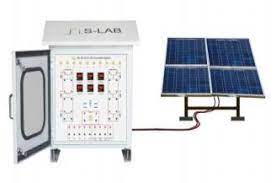
Introduction about B.Voc. in Renewable Energy Technology
In the era of climate change and environmental concerns, the pursuit of sustainable energy sources has become a global imperative. Renewable energy technologies are at the forefront of this revolution, offering cleaner alternatives to traditional fossil fuels. This article delves into the exciting world of Bachelor of Vocation (B. VOC) in Renewable Energy Technology, exploring its significance and potential impact on our quest for a greener and more sustainable future.
Understanding B. VOC
B. VOC, or Bachelor of Vocation, is a specialized undergraduate program designed to impart practical knowledge and skills in various vocational areas. In the context of renewable energy technology, B. VOC programs are tailored to equip students with the expertise needed to harness the power of sustainable energy sources.
Renewable Energy Technology
Renewable energy technology encompasses a wide array of technologies and systems that harness energy from natural resources that are constantly replenished, such as sunlight, wind, water, and organic matter. These technologies are considered environmentally friendly and are crucial for reducing greenhouse gas emissions and mitigating the impacts of climate change.
Importance of B. VOC in Renewable Energy
B. VOC in Renewable Energy Technology plays a pivotal role in nurturing a skilled workforce for the renewable energy sector. This is particularly significant given the growing demand for clean and sustainable energy solutions. As the world shifts its focus towards renewable energy, professionals with the right expertise become invaluable.
B. VOC: The Path to a Greener Future
The world is at a turning point in the pursuit of sustainable energy. B. VOC programs provide students with hands-on training and theoretical knowledge to become part of this change. By gaining proficiency in renewable energy technology, graduates can actively contribute to reducing our reliance on fossil fuels.
Applications of B. VOC in Renewable Energy
B. VOC in Solar Energy
One of the prominent areas of focus within B. VOC in Renewable Energy Technology is solar energy. Students learn how to design, install, and maintain solar panels, contributing to the harnessing of solar power for electricity and heating.
B. VOC in Wind Energy
Wind energy is another essential component of renewable energy technology. B. VOC programs cover the design and management of wind turbines, promoting the utilization of wind power for electricity generation.
B. VOC in Hydroelectric Power
Hydropower is harnessed from the energy of flowing water. Students studying B. VOC in Renewable Energy Technology acquire the skills necessary for the construction and maintenance of hydroelectric power plants.
B. VOC in Biomass Energy
Biomass energy utilizes organic materials to generate power. B. VOC programs teach students about bioenergy systems, fostering sustainable practices in agriculture and waste management.
Benefits of B. VOC in Renewable Energy
The advantages of pursuing a B. VOC in Renewable Energy Technology are manifold. Graduates not only gain valuable skills but also contribute to environmental conservation, energy security, and job creation in the rapidly expanding renewable energy sector.
Challenges and Limitations
While the prospects of B. VOC in Renewable Energy are promising, there are challenges such as high initial costs and technology limitations. These issues need to be addressed for the widespread adoption of renewable energy.
Future Prospects
As the global transition to renewable energy accelerates, the demand for skilled professionals in this field is expected to rise. B. VOC graduates will find numerous career opportunities in renewable energy companies, research institutions, and government agencies.
How can I apply for admission to B.Voc. in Renewable Energy Technology
To apply for admission to a Bachelor of Vocation (B. VOC) program in Renewable Energy Technology, you typically need to follow these steps:
Research Institutions: Start by researching universities or colleges that offer B. VOC programs in Renewable Energy Technology. Look for institutions with a good reputation in this field.
Check Eligibility Criteria: Review the eligibility criteria for the program. Different institutions may have varying requirements, but generally, you'll need to have completed your high school education or an equivalent qualification.
Entrance Examinations: Some universities may require you to take an entrance examination. Be sure to check whether the institution you're interested in has such a requirement and prepare accordingly.
Application Form: Obtain the application form for the B. VOC program. This can usually be done online through the institution's official website. Fill out the application form with accurate and complete information.
Academic Transcripts: You'll likely need to submit your academic transcripts from your high school or equivalent. Make sure your transcripts are up to date and meet the institution's requirements.
Letters of Recommendation: Some institutions may ask for letters of recommendation. Ask teachers, professors, or employers who know your work well to write these for you.
Statement of Purpose (SOP): Write a well-crafted SOP that explains why you want to pursue a B. VOC in Renewable Energy Technology, your career goals, and how the program aligns with your aspirations.
Entrance Interview: Be prepared for an interview if the institution conducts one as part of their admission process. This is an opportunity for them to get to know you better.
Financial Documentation: If you're an international student or applying for financial aid, be prepared to provide financial documents or proof of sponsorship.
Application Fee: Pay the application fee, which is usually non-refundable. Ensure you meet the deadline for submitting your application.
Submit Application: Carefully review your application to ensure it's complete and accurate. Then, submit it through the institution's online portal or as per their instructions.
Wait for Admission Results: After you've submitted your application, you'll need to wait for the admission results. This may take some time, so be patient.
Acceptance and Enrollment: If you're accepted, you'll receive an acceptance letter. Follow the instructions in the acceptance letter to confirm your enrollment, pay any necessary fees, and complete any other required formalities.
Visa (if applicable): If you're an international student, you'll need to apply for a student visa to study in the country where the institution is located.
Orientation: Attend the orientation program provided by the institution to get acquainted with the campus, faculty, and fellow students.
What is the eligibility for B.Voc. in Renewable Energy Technology
The eligibility criteria for a Bachelor of Vocation (B. VOC) in Renewable Energy Technology program may vary from one institution to another. However, here are some common eligibility requirements you might encounter:
Educational Qualifications:
Candidates should have completed their 10+2 education (or its equivalent) from a recognized educational board.
It's typically required that candidates have a strong academic background in science, with a focus on subjects like Physics, Chemistry, and Mathematics.
Minimum Marks:
Many institutions may specify a minimum percentage in the 10+2 examination for eligibility. This percentage can vary from one institution to another, but it's usually in the range of 50% to 60%.
Entrance Examination:
Some universities or colleges may conduct an entrance examination for admission to the B. VOC program in Renewable Energy Technology. Candidates need to qualify in these exams to be considered for admission.
Age Limit:
Certain institutions may have an age limit for admission, usually in the range of 17 to 25 years.
Reservation Quotas:
In some countries, there may be reservation quotas for specific categories such as Scheduled Castes (SC), Scheduled Tribes (ST), Other Backward Classes (OBC), or Persons with Disabilities (PWD). Candidates belonging to these categories may have different eligibility criteria or relaxed percentage requirements.
English Proficiency:
For international students or in institutions where English is not the medium of instruction, proof of English language proficiency through tests like IELTS or TOEFL may be required.
Document Verification:
Candidates will need to submit their academic transcripts, certificates, and other relevant documents during the admission process for verification.
How long does it takes to complete a B.Voc. in Renewable Energy Technology
The duration to complete a Bachelor of Vocation (B. VOC) in Renewable Energy Technology program typically spans three years. This is the standard duration for most B. VOC programs in the field of renewable energy technology offered by universities and colleges.
During these three years, students will undergo a comprehensive curriculum that includes both theoretical knowledge and practical training in various aspects of renewable energy technology. The program is designed to equip students with the necessary skills and expertise to work in the renewable energy sector, which is becoming increasingly important in the global effort to combat climate change and transition to sustainable energy sources.
Please note that the duration of B. VOC programs may vary slightly depending on the specific institution and its curriculum. It's essential to check the program's details on the official website of the university or college where you plan to apply to confirm the exact duration and any specific course structure or requirements related to the B. VOC in Renewable Energy Technology program you are interested in.
What are potential career opportunities after B.Voc. in Renewable Energy Technology
A Bachelor of Vocation (B. VOC) in Renewable Energy Technology opens up a range of exciting career opportunities in the renewable energy sector and related fields. As the world increasingly prioritizes sustainable and clean energy sources, the demand for professionals with expertise in renewable energy technology is on the rise. Here are some potential career paths after completing a B. VOC in Renewable Energy Technology:
Renewable Energy Engineer: Renewable energy engineers design, develop, and oversee renewable energy systems and projects. They work on solar, wind, hydro, and other renewable energy installations, ensuring their efficiency and sustainability.
Solar Energy Technician: Solar energy technicians install, maintain, and repair solar panels and related equipment. They play a crucial role in the solar energy industry, which continues to grow rapidly.
Wind Energy Technician: Wind energy technicians are responsible for the operation and maintenance of wind turbines. They ensure that wind energy systems generate electricity efficiently.
Hydropower Engineer: Hydropower engineers work on the design and maintenance of hydroelectric power plants. They are involved in harnessing energy from flowing water sources.
Bioenergy Specialist: Bioenergy specialists focus on the production of energy from organic materials such as biomass and biofuels. They may work in research, development, or project management roles.
Energy Analyst: Energy analysts assess and analyze energy consumption and usage patterns to identify opportunities for energy efficiency and the integration of renewable energy sources.
Energy Consultant: Energy consultants provide expert advice to individuals, businesses, or governments on renewable energy adoption, energy conservation, and sustainable energy practices.
Environmental Consultant: Environmental consultants work to ensure that renewable energy projects comply with environmental regulations and sustainability standards. They assess environmental impacts and propose mitigation measures.
Project Manager: Renewable energy project managers oversee the planning, execution, and completion of renewable energy projects. They are responsible for budgeting, scheduling, and ensuring project goals are met.
Research Scientist: Graduates with a B. VOC can pursue a career in renewable energy research, focusing on technological advancements, materials, or energy storage solutions.
Government Policy Analyst: Professionals in this role work on developing and implementing government policies and incentives to promote renewable energy adoption and reduce carbon emissions.
Energy Auditor: Energy auditors assess energy usage in residential, commercial, or industrial settings to identify energy-saving opportunities and recommend improvements.
Sales and Marketing: Opportunities exist in sales and marketing roles for companies that manufacture or provide renewable energy products and services.
Educator and Trainer: Some graduates choose to become educators, trainers, or instructors, sharing their expertise in renewable energy technology by teaching at educational institutions or providing training programs.
Entrepreneur: B. VOC graduates can start their renewable energy-related businesses, offering services such as solar panel installation, energy efficiency consulting, or renewable energy system design.
Syllabus of B.Voc. in Renewable Energy Technology
The specific syllabus for a Bachelor of Vocation (B. VOC) in Renewable Energy Technology program can vary depending on the institution offering the course. However, I can provide a general overview of what the syllabus may look like, semester-wise, for a three-year B. VOC program in Renewable Energy Technology:
Semester 1:
Introduction to Renewable Energy
Basics of Energy and Thermodynamics
Electrical Circuits and Electronics
Workshop Practice
Communication Skills
Environmental Science
Semester 2:
Solar Energy Fundamentals
Wind Energy Fundamentals
Hydropower Technology
Biomass and Bioenergy Systems
Engineering Drawing
Energy Conservation and Management
Semester 3:
Solar Photovoltaic Systems
Wind Turbine Technology
Hydroelectric Power Plant Design
Biofuel Production and Technology
Energy Storage Systems
Industrial Training
Semester 4:
Solar Panel Installation and Maintenance
Wind Turbine Operation and Maintenance
Hydropower Plant Operations
Energy Efficiency in Buildings
Renewable Energy Policy and Regulations
Project Management
Semester 5:
Energy Audit and Analysis
Renewable Energy Project Planning and Implementation
Grid Integration of Renewable Energy
Environmental Impact Assessment
Entrepreneurship and Business Development
Internship
Semester 6:
Advanced Solar Energy Technologies
Advanced Wind Energy Technologies
Bioenergy Research and Development
Energy Economics and Financing
Final Year Project
Viva Voce
Internship opportunities after completing B.Voc. in Renewable Energy Technology
Completing a Bachelor of Vocation (B. VOC) in Renewable Energy Technology opens up various internship opportunities that can provide valuable hands-on experience in the field and enhance your employability. Here are some internship opportunities you can consider:
Renewable Energy Companies: Many renewable energy companies offer internships in various roles, such as solar panel installation, wind turbine maintenance, and energy system design. These internships provide practical experience in the specific area of renewable energy.
Government Agencies: Government agencies at the national or local level often have internship programs related to renewable energy and environmental conservation. Interns may work on policy development, energy audits, or environmental impact assessments.
Research Institutions: Research institutions and universities conduct research in renewable energy technology. Interning at these organizations can give you the chance to work on cutting-edge projects and contribute to advancements in the field.
Energy Consulting Firms: Energy consulting firms hire interns to assist with energy audits, data analysis, and energy efficiency projects. This is an excellent opportunity to gain experience in the business side of renewable energy.
Environmental Organizations: Non-profit environmental organizations often work on renewable energy advocacy and education. Interns can get involved in outreach programs, community engagement, and awareness campaigns.
Electric Utilities: Some electric utility companies are diversifying into renewable energy. Internships with these companies can involve learning about grid integration of renewable energy sources.
Startups: Emerging renewable energy startups may offer internships in areas like product development, marketing, and project management. Working with startups can provide a dynamic and entrepreneurial experience.
Energy Efficiency Programs: Organizations that focus on energy efficiency and conservation may offer internships in areas such as home energy assessments, retrofitting, and energy management.
Energy Storage Companies: With the growing importance of energy storage in renewable energy systems, internships with energy storage companies can be valuable in understanding this crucial aspect of the industry.
Power Generation Facilities: Interning at power generation facilities like solar farms, wind farms, or hydroelectric plants allows you to gain hands-on experience with the operation and maintenance of renewable energy installations.
International Organizations: International organizations such as the United Nations and the World Bank often offer internships related to renewable energy and sustainable development in a global context.
R&D Labs: Some research and development labs, both public and private, may offer internships where you can participate in cutting-edge research on renewable energy technologies.
Local Communities: Engaging with local community organizations working on renewable energy projects can provide internship opportunities that involve grassroots efforts and community outreach.
Scholarship and grants for B.Voc. in Renewable Energy Technology
Scholarships and grants for a Bachelor of Vocation (B. VOC) in Renewable Energy Technology can provide financial assistance to students pursuing their education in this field. While the availability of scholarships and grants may vary by location and institution, here are some general options to consider:
Government Scholarships: Many governments offer scholarships and grants to students pursuing degrees in renewable energy or related fields. These scholarships may be provided at the national, state, or local level. Check with your government's education department or related agencies for information on available scholarships.
University Scholarships: Most universities and colleges offer scholarships to their students based on academic merit, financial need, or a combination of factors. These scholarships may be specifically tailored to students in the renewable energy technology program.
Private Organizations: Various private organizations, foundations, and corporations offer scholarships and grants to students pursuing degrees in renewable energy or sustainable technology fields. Some organizations focus on promoting clean energy and may support students in these programs.
Industry Associations: Renewable energy industry associations often provide scholarships and grants to students who plan to work in the renewable energy sector. These organizations may have specific scholarships for students pursuing B. VOC degrees.
International Scholarships: If you are an international student studying abroad, you may be eligible for scholarships and grants provided by international organizations or the host country's government. Check with the educational institution or relevant authorities for information on such opportunities.
Merit-Based Scholarships: Scholarships based on academic performance, leadership qualities, or other merits are available for outstanding students in the renewable energy technology program. These scholarships may be offered by the university or external organizations.
Need-Based Scholarships: Some scholarships and grants are awarded to students with demonstrated financial need. These programs aim to make education more accessible to individuals who may not have the means to fund their studies.
Ethnic and Minority Scholarships: Various scholarships are designed to support students from specific ethnic or minority backgrounds who are underrepresented in the field of renewable energy.
Research Grants: Some students may have the opportunity to apply for research grants to support their research projects in renewable energy technology. These grants can help fund research and development initiatives.
Corporate Scholarships: Companies in the renewable energy sector often offer scholarships to students pursuing degrees in fields relevant to their industry. These scholarships may come with internship or job opportunities.
State and Local Scholarships: Some scholarships are specific to a particular state or local area. These may be provided by regional governments, local businesses, or community organizations.
Conclusion
Bachelor of Vocation in Renewable Energy Technology offers a unique gateway to a future powered by sustainable and clean energy sources. By equipping students with the necessary skills and knowledge, B. VOC programs play a crucial role in the transformation of our energy landscape. Embracing renewable energy is not just an option; it's a necessity in the face of climate change and environmental challenges.
FAQ,s
What is B. VOC in Renewable Energy Technology?
B. VOC in Renewable Energy Technology is an undergraduate program that focuses on practical skills and knowledge related to harnessing renewable energy sources such as solar, wind, hydro, and bioenergy.
What are the eligibility criteria for B. VOC in Renewable Energy Technology?
Eligibility criteria may vary by institution, but typically, candidates should have completed their 10+2 education (or its equivalent) with a background in science. Minimum marks and age requirements may also apply.
How long does it take to complete a B. VOC in Renewable Energy Technology?
The program usually spans three years.
What are the potential career opportunities after completing B. VOC in Renewable Energy Technology?
Graduates can pursue careers as renewable energy engineers, solar energy technicians, wind energy technicians, hydropower engineers, and more. They can also work in research, consulting, policy, and project management roles.
Are there internship opportunities available after completing the program?
Yes, students can find internship opportunities with renewable energy companies, government agencies, research institutions, and more. These internships provide hands-on experience in the field.
What types of scholarships and grants are available for B. VOC in Renewable Energy Technology students?
Scholarships may be offered by governments, universities, private organizations, industry associations, and more. These scholarships can be merit-based, need-based, or specific to certain demographics.
What is the future outlook for careers in renewable energy technology?
The future looks promising, as the world is increasingly shifting towards clean and sustainable energy sources. The demand for skilled professionals in renewable energy is expected to grow.
Is this program suitable for international students?
Yes, many institutions offer B. VOC in Renewable Energy Technology programs to international students. International scholarships and financial aid may also be available.
What subjects are typically covered in the curriculum?
The curriculum includes subjects like solar energy, wind energy, hydropower, bioenergy, energy efficiency, environmental science, and project management.
Can I specialize in a specific area of renewable energy within the program?
Some programs offer elective courses or specialization options that allow students to focus on specific areas of renewable energy, such as solar technology or wind energy.
How Shiksha Hub helps you in
-
 Student Counsellors
 -
 Career Counseling
 -
 Research
 -
 24/7 Support
 -
 Scholarships
 -
 Community