Posted by Admin on 17-08-2023 in Shiksha hub
B.Voc in Electronics, Introduction, Admission, Registration, Eligibility, Duration, Fees, Syllabus 2024
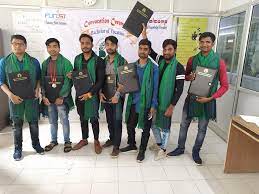
Introduction about B. VOC in Electronics
In today's rapidly advancing world, electronics have become an integral part of our lives. From smartphones and laptops to medical devices and transportation systems, electronics play a pivotal role in shaping our daily experiences. As technology continues to evolve, there is a growing need for professionals who can not only understand the intricacies of electronics but also contribute to its innovation. This is where B. VOC in Electronics comes into play.
What is B. VOC?
B. VOC, which stands for Bachelor of Vocation, is an innovative and skill-based undergraduate program. It aims to provide students with hands-on experience and industry-relevant knowledge in specific domains, and one such domain is electronics. B. VOC in Electronics is designed to bridge the gap between traditional academic learning and the practical skills demanded by the industry.
The Importance of Electronics in Today's World
Before delving into the details of B. VOC in Electronics, let's understand the significance of electronics in the contemporary world. Electronics influence virtually every aspect of our lives, from communication and entertainment to healthcare and transportation. As a result, there's a growing demand for professionals who can design, develop, and maintain electronic systems.
B. VOC in Electronics: A Path to Specialization
B. VOC in Electronics is an ideal program for those who wish to specialize in electronics from day one. Unlike generic engineering courses, B. VOC provides a focused and industry-specific curriculum, allowing students to acquire in-depth knowledge in their chosen field. This specialization is essential in a world where electronic devices are becoming increasingly complex and diverse.
Curriculum and Courses
The curriculum of B. VOC in Electronics covers a wide range of topics, including digital electronics, microcontrollers, communication systems, embedded systems, and more. Students gain practical experience through labs, workshops, and industry internships, which are integral components of the program. This hands-on approach helps students develop real-world skills that are highly valued by employers.
Career Opportunities for B. VOC Graduates
Upon completing their B. VOC in Electronics, graduates have a plethora of career opportunities at their disposal. They can work as electronics engineers, embedded systems designers, telecommunications specialists, and automation experts. The versatility of the program allows graduates to explore various sectors, including telecommunications, automotive, healthcare, and consumer electronics.
Industry Demand for B. VOC Graduates
The electronics industry is constantly evolving, and as a result, there is a high demand for skilled professionals. B. VOC graduates are well-equipped to meet these demands due to their specialized training and practical experience. Employers seek out B. VOC graduates for their ability to quickly adapt to new technologies and their problem-solving skills.
Eligibility and Admission Process
To pursue B. VOC in Electronics, students generally need to have completed their 10+2 education in the science stream. The admission process may involve an entrance exam or merit-based selection, depending on the institution. As the program is skill-oriented, having a passion for electronics and a strong work ethic are essential for success.
Benefits of Pursuing B. VOC in Electronics
Specialization from the outset.
Hands-on practical experience.
High employability due to industry relevance.
Opportunities for innovation and entrepreneurship.
Strong foundation for further studies or research.
Challenges and How to Overcome Them
While B. VOC in Electronics offers numerous advantages, it's not without its challenges. The fast-paced nature of the electronics industry requires students to stay updated with the latest advancements. This can be demanding, but with a passion for electronics and a commitment to continuous learning, these challenges can be overcome.
Success Stories of B. VOC Graduates
Many B. VOC graduates have gone on to achieve remarkable success in their careers. They have contributed to cutting-edge innovations, established their own electronics startups, and played pivotal roles in companies like Apple, Samsung, and Tesla. These success stories serve as an inspiration for aspiring electronics enthusiasts.
Comparison with Traditional Electronics Programs
A key differentiator of B. VOC in Electronics is its hands-on approach and industry relevance. Traditional electronics programs often focus more on theoretical knowledge, while B. VOC emphasizes practical skills. Depending on their career goals and learning preferences, students can choose the program that suits them best.
Future Trends in the Electronics Industry
The electronics industry is on a constant trajectory of growth and innovation. Emerging trends such as Internet of Things (IoT), artificial intelligence, and renewable energy technologies are creating new opportunities for electronics professionals. B. VOC graduates are well-positioned to capitalize on these trends and contribute to the industry's evolution.
How can I apply for admission to B. VOC in Electronics
To apply for admission to a B. VOC in Electronics program, you will typically need to follow a specific application process. Here are the general steps you can take:
Research Institutions: Start by researching universities, colleges, or institutions that offer B. VOC in Electronics programs. Look for institutions that are well-known for their electronics programs and have a good reputation.
Check Eligibility: Ensure that you meet the eligibility criteria for the program. Typically, you should have completed your 10+2 education in the science stream, and specific institutions may have additional requirements.
Select Institutions: Narrow down your choices and select the institutions you wish to apply to. Consider factors such as location, reputation, and program curriculum when making your selection.
Application Forms: Visit the official websites of the chosen institutions. Look for the admission section and download or fill out the online application form. Some institutions may also offer offline forms that you can collect from their admissions office.
Application Fee: Pay the application fee, which is usually non-refundable. The fee amount can vary from one institution to another.
Documents Required: Gather the necessary documents, which typically include:
High school (10+2) mark sheets and certificates
Transfer certificate or school leaving certificate
Character certificate
Passport-sized photographs
Identity proof (Aadhar card, passport, etc.)
Any other documents specified by the institution
Entrance Exams: Some institutions may require you to appear for an entrance exam. Be sure to prepare for the exam by studying the relevant subjects and topics.
Submit Application: Submit the filled application form along with the required documents and the application fee to the respective institution before the application deadline.
Admission Process: Wait for the institution to review your application. If you qualify, you may be called for an interview or counseling session. Some institutions may also publish a merit list based on your 10+2 marks and entrance exam scores (if applicable).
Counseling: Attend the counseling session if required. During the counseling, you may have the opportunity to choose your preferred specialization within the B. VOC in Electronics program.
Admission Offer: If you are selected for admission, you will receive an admission offer letter from the institution. This letter will include details about the program, fees, and other relevant information.
Acceptance and Fee Payment: If you choose to accept the admission offer, follow the instructions provided in the offer letter for fee payment and enrollment.
Commencement of Classes: Prepare to start your B. VOC in Electronics program on the specified date. Make sure to attend the orientation program if one is conducted.
What is the eligibility for B. VOC in Electronics
The eligibility criteria for a B. VOC in Electronics program can vary slightly from one institution to another, but here are the general eligibility requirements:
Educational Qualification: Typically, you should have completed your 10+2 (or equivalent) education from a recognized board or university. This means you should have passed your high school or intermediate education.
Stream: You should have studied in the Science stream during your 10+2 education. This stream usually includes subjects such as Physics, Chemistry, and Mathematics. Some institutions may also accept students who have studied Computer Science or Electronics as part of their curriculum.
Minimum Marks: Most institutions require a minimum percentage of marks in your 10+2 examination for eligibility. This percentage can vary from one institution to another but is often around 50% to 60%. Some institutions may have a relaxation in minimum marks for reserved category students.
Entrance Exams: In some cases, institutions may conduct entrance exams for admission to the B. VOC in Electronics program. Your eligibility may also be based on your performance in this exam. Make sure to check whether the institution you're interested in has an entrance exam requirement.
Age Limit: Some institutions may have an age limit for admission, so it's essential to check if there are any age restrictions specified by the institution you're applying to.
Specific Requirements: Depending on the institution, there might be additional requirements such as qualifying in a personal interview or group discussion. Be sure to check if any such requirements exist.
Reservation Quotas: Institutions may also have reserved seats for certain categories such as SC/ST, OBC, and differently-abled candidates. The eligibility criteria for these reserved categories can be different.
How long does it takes to complete a B. VOC in Electronics
A Bachelor of Vocation (B. VOC) in Electronics program typically takes three years to complete. This duration is similar to many other undergraduate degree programs. The program is designed to provide students with a well-rounded education in electronics, including both theoretical knowledge and practical skills.
During these three years, students will have the opportunity to study various aspects of electronics, including digital electronics, microcontrollers, communication systems, embedded systems, and more. They will also participate in laboratory work, workshops, and possibly industry internships, gaining hands-on experience in the field.
The program's curriculum is structured to ensure that students acquire the necessary knowledge and skills to excel in the electronics industry upon graduation. The three-year duration allows for in-depth learning and specialization in the field, preparing students for a wide range of career opportunities in the electronics sector.
What are potential career opportunities after B. VOC in Electronics
After completing a B. VOC in Electronics, graduates have a wide range of career opportunities available to them in the electronics industry. This program equips students with both theoretical knowledge and practical skills, making them highly employable in various sectors. Here are some potential career opportunities:
Electronics Engineer: Electronics engineers design, develop, test, and maintain electronic systems and components. They work in various industries, including telecommunications, consumer electronics, automotive, and manufacturing.
Embedded Systems Designer: Embedded systems designers focus on creating embedded software and hardware for products like microcontrollers, IoT devices, and automotive control systems. They play a critical role in the development of smart and connected devices.
Telecommunications Specialist: Telecommunications specialists work in the telecommunications industry, designing and maintaining communication networks, including wired and wireless systems, to ensure efficient data and voice transmission.
Automation Engineer: Automation engineers design and implement automated control systems used in manufacturing processes, industrial machinery, and robotics. They optimize processes for increased efficiency and productivity.
IoT (Internet of Things) Engineer: IoT engineers develop and maintain devices and systems that are part of the IoT ecosystem. They create interconnected devices that collect and share data over the internet.
Quality Assurance Engineer: Quality assurance engineers are responsible for ensuring that electronic products meet high-quality standards. They test and troubleshoot electronic systems to identify and resolve issues.
Repair and Maintenance Technician: Technicians specialize in repairing and maintaining electronic devices, such as smartphones, laptops, and consumer electronics. They are essential for keeping electronic products operational.
Technical Support Specialist: Technical support specialists assist customers with troubleshooting electronic devices and systems. They provide guidance and solutions for technical issues.
Research and Development (R&D) Engineer: R&D engineers work on the development of new electronic technologies and products. They are involved in innovation and pushing the boundaries of electronic systems.
Sales and Marketing Specialist: Graduates can also explore roles in sales and marketing of electronic products. They may work for electronics manufacturers or distributors, promoting and selling electronic equipment and components.
Entrepreneurship: Some B. VOC graduates choose to start their businesses in electronics, focusing on product development, repair services, or consultancy services.
Further Studies and Research: Graduates can pursue higher education in electronics or related fields, such as M. VOC (Master of Vocation), M.Tech (Master of Technology), or Ph.D., to deepen their knowledge and research capabilities.
Syllabus of B. VOC in Electronics
The specific syllabus for a B. VOC in Electronics program can vary from one institution to another, and it may also be subject to periodic updates to align with industry trends and academic requirements. However, I can provide a general overview of what you might expect in a semester-wise breakdown of the program:
Semester 1:
Digital Electronics Fundamentals
Electronic Components and Circuits
Introduction to Microcontrollers
Communication Skills
Applied Mathematics
Workshop and Lab: Electronics Practical
Semester 2:
Analog Electronics
Programming and Interfacing of Microcontrollers
Basics of Computer Science
Engineering Drawing
Environmental Studies
Workshop and Lab: Microcontroller Programming
Semester 3:
Digital Signal Processing
Industrial Electronics
Communication Systems
Technical Report Writing
Data Structures and Algorithms
Workshop and Lab: Signal Processing
Semester 4:
Embedded Systems
Control Systems
Internet of Things (IoT)
Electromagnetic Theory
Industrial Training/Internship
Workshop and Lab: Embedded Systems and IoT
Semester 5:
Digital Communication
Robotics and Automation
Power Electronics
Wireless Communication
Project Management
Workshop and Lab: Robotics and Automation
Semester 6:
VLSI Design
Artificial Intelligence and Machine Learning
Renewable Energy Systems
Ethical Hacking and Cybersecurity
Major Project
Workshop and Lab: VLSI Design
Internship opportunities after completing B. VOC in Electronics
Completing a B. VOC in Electronics opens up various internship opportunities in the electronics industry. Internships provide students with practical experience, exposure to real-world projects, and a chance to apply the skills they've acquired during their academic studies. Here are some internship opportunities you can explore after completing your B. VOC in Electronics:
Electronics Manufacturing Intern: Work with electronics manufacturing companies to gain hands-on experience in the production and quality control of electronic devices.
Embedded Systems Intern: Join an organization that specializes in embedded systems to work on projects related to microcontrollers, firmware development, and IoT devices.
Telecommunications Intern: Intern with telecommunications companies to understand network infrastructure, design, and maintenance.
Automation and Control Intern: Work with companies that implement automation solutions in industries such as manufacturing, automotive, and robotics.
IoT (Internet of Things) Intern: Gain experience in developing IoT devices, sensors, and applications, contributing to the rapidly growing field of IoT technology.
Electronics Repair and Maintenance Intern: Intern with electronics repair shops or service centers to learn how to diagnose and fix electronic devices.
Quality Assurance Intern: Join organizations to test and ensure the quality and functionality of electronic products.
R&D (Research and Development) Intern: Collaborate with companies or research institutions to participate in electronics-related research projects.
Hardware Design Intern: Work with hardware design companies to learn about PCB (Printed Circuit Board) design, electronic components, and schematic design.
Renewable Energy Intern: Explore internship opportunities in renewable energy companies to work on electronic systems related to solar, wind, or other sustainable energy sources.
Robotics Intern: Gain hands-on experience in the field of robotics by interning with companies that design and manufacture robots or robotic components.
Wireless Communication Intern: Intern with organizations focused on wireless communication technologies, such as mobile networks and Wi-Fi systems.
Cybersecurity Intern: Explore internship positions related to electronics security, focusing on protecting electronic systems from cyber threats.
Startups: Consider interning with electronics startups that are innovating in various sectors, from health tech to consumer electronics.
Government and Defense Sector: Government agencies and defense organizations may offer internships related to electronics, particularly in areas like defense technology and communication systems.
Scholarship and grants for B. VOC in Electronics
Scholarships and grants are valuable financial resources that can help students pursuing a B. VOC in Electronics cover their educational expenses. These financial aid options are offered by various organizations, including government bodies, educational institutions, and private foundations. Here are some common scholarships and grants for B. VOC in Electronics:
Government Scholarships: Many governments offer scholarships to support students in pursuing vocational programs like B. VOC. These scholarships may be need-based or merit-based. Check with your country's education department or relevant government agencies for available opportunities.
University/College Scholarships: Many educational institutions offer scholarships to their students. These scholarships may be based on academic achievement, financial need, or a combination of factors. Check with the universities or colleges where you plan to enroll for information on available scholarships.
Corporate Scholarships: Electronics and technology companies often provide scholarships to students pursuing electronics-related programs. These scholarships may come with the opportunity for internships or job placements with the sponsoring company.
Foundation and Nonprofit Scholarships: Numerous foundations and nonprofit organizations offer scholarships for students pursuing vocational education. These scholarships may have specific eligibility criteria, such as a commitment to community service or excellence in a particular subject.
Minority Scholarships: Some scholarships are specifically designed for underrepresented minority groups in the field of electronics. These scholarships aim to promote diversity and inclusivity in the industry.
Merit-Based Scholarships: These scholarships are awarded to students based on their academic performance, such as high school grades, standardized test scores, or prior academic achievements.
Need-Based Scholarships: Need-based scholarships are awarded to students who demonstrate financial need. Applicants may be required to submit financial information to qualify for these scholarships.
Subject-Specific Scholarships: Some scholarships are tailored for students pursuing a particular specialization within electronics, such as robotics, telecommunications, or renewable energy.
Community and Civic Involvement Scholarships: Scholarships may be available for students who have actively participated in community service, volunteered, or demonstrated leadership qualities.
State and Local Scholarships: Some states and local organizations offer scholarships to residents pursuing higher education. Check with your state's education department and local foundations for available opportunities.
Online Scholarship Search Engines: Utilize online scholarship search engines and databases, such as Fastweb, Scholarships.com, and Cappex, to discover a wide range of scholarships that match your qualifications and interests.
Conclusion
In conclusion, B. VOC in Electronics is a dynamic and industry-centric program that equips students with the skills and knowledge needed to excel in the fast-paced world of electronics. It offers specialization, practical experience, and a direct path to a fulfilling career in various sectors. As the electronics industry continues to evolve, B. VOC graduates are poised to make a significant impact.
FAQ,s
What is B. VOC in Electronics?
B. VOC in Electronics is a vocational undergraduate program that focuses on providing students with specialized knowledge and practical skills in electronics and related fields.
How long does it take to complete a B. VOC in Electronics program?
Typically, a B. VOC in Electronics program takes three years to complete.
What are the eligibility criteria for B. VOC in Electronics?
Eligibility criteria can vary, but generally, candidates should have completed their 10+2 education in the science stream with a minimum percentage of marks. Specific requirements may differ by institution.
What career opportunities are available after completing B. VOC in Electronics?
Graduates can pursue careers as electronics engineers, embedded systems designers, telecommunications specialists, automation engineers, IoT engineers, and more. They can work in various industries, including telecommunications, automotive, healthcare, and consumer electronics.
Are there internship opportunities during the program?
Many B. VOC in Electronics programs include internships to provide students with hands-on experience. Internships may involve working with electronics manufacturing companies, embedded systems development, or other electronics-related roles.
What are the advantages of a B. VOC in Electronics compared to traditional electronics programs?
B. VOC programs emphasize practical skills and industry relevance, making graduates job-ready. They provide specialization from the outset, unlike traditional programs, which can be more theory-focused.
Can I pursue higher studies after completing B. VOC in Electronics?
Yes, graduates can pursue postgraduate studies, such as M. VOC, M.Tech, or even Ph.D., to further specialize or conduct research in electronics.
Are there scholarships available for B. VOC students?
Scholarships are often available based on merit or financial need. Students should check with their educational institutions or external organizations for scholarship opportunities.
What is the future outlook for B. VOC in Electronics graduates?
The electronics industry is continually evolving, offering strong job prospects for B. VOC graduates. Emerging technologies like IoT, AI, and renewable energy present new opportunities for electronics professionals.
How can I find B. VOC in Electronics programs and apply for admission?
Research institutions offering B. VOC in Electronics, check their admission requirements, and submit applications through their official websites or admission offices.
How Shiksha Hub helps you in
-
 Student Counsellors
 -
 Career Counseling
 -
 Research
 -
 24/7 Support
 -
 Scholarships
 -
 Community