Posted by Admin on 17-08-2023 in Shiksha hub
B.Voc. in Automobile Servicing Technology, Introduction, Admission, Registration, Eligibility, Duration, Fees, Syllabus 2024
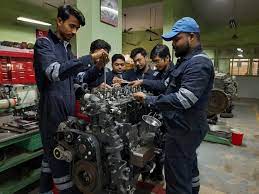
Introduction about B.Voc. in Automobile Servicing Technology
In today's fast-paced world, the automotive industry plays a pivotal role in driving innovation and convenience. The evolution of vehicles from simple mechanical marvels to complex technological wonders has transformed the way we live and commute. Behind this transformation stands the need for highly skilled professionals who understand the intricacies of modern automobiles. This is where the B. VOC (Bachelor of Vocation) in Automobile Servicing Technology comes into play.
What is B. VOC in Automobile Servicing Technology?
B. VOC in Automobile Servicing Technology is a specialized undergraduate program designed to equip students with the knowledge and skills required to excel in the automotive industry. This program focuses on imparting hands-on training and theoretical knowledge to students, enabling them to become proficient in servicing and maintaining modern vehicles.
The Importance of B. VOC in the Automotive Industry
The automotive industry is constantly evolving with advancements in technology and a growing emphasis on eco-friendly and efficient vehicles. This evolution has created a demand for professionals who are well-versed in the latest automotive technologies. B. VOC in Automobile Servicing Technology is essential in meeting this demand by producing graduates who can effectively address the challenges posed by modern vehicles.
Curriculum and Course Structure
The curriculum of B. VOC in Automobile Servicing Technology covers a wide range of topics, including engine management systems, vehicle diagnostics, electrical systems, and more. Students are exposed to both theoretical concepts and practical applications, providing them with a well-rounded understanding of automotive technology. The course typically includes workshops, lab sessions, and internships, ensuring students gain valuable hands-on experience.
Career Opportunities
One of the most attractive aspects of this program is the numerous career opportunities it opens up. Graduates of B. VOC in Automobile Servicing Technology can explore careers as automotive technicians, service advisors, vehicle diagnostic specialists, and more. The automotive industry is constantly in need of skilled professionals, making this field highly rewarding for those with the right expertise.
Admission Process
Admission to B. VOC in Automobile Servicing Technology is typically based on merit or through an entrance examination. Candidates must meet the eligibility criteria and submit their academic records for evaluation. It's important to check the specific requirements of the institution you're interested in.
Benefits of Pursuing B. VOC in Automobile Servicing Technology
This program offers several benefits to students. It provides them with a practical, industry-oriented education and the opportunity to develop strong problem-solving and analytical skills. Additionally, students can gain exposure to the latest automotive technologies and trends, keeping them at the forefront of the industry.
Skills and Competencies
Graduates of B. VOC in Automobile Servicing Technology possess a unique skill set that includes vehicle diagnosis, maintenance, and repair. They are well-versed in using diagnostic tools, working with electrical systems, and handling various types of automotive equipment. These skills are in high demand in the automotive industry.
Industry Partnerships
Many institutions offering B. VOC in Automobile Servicing Technology have collaborations with leading automotive companies. These partnerships often provide students with access to cutting-edge technology, industry experts, and internships, further enhancing their learning experience.
Challenges Faced by Graduates
While B. VOC in Automobile Servicing Technology offers promising career opportunities, graduates may face challenges in keeping up with the rapid advancements in automotive technology. However, staying updated with industry trends and attending workshops and training programs can help them overcome these challenges.
How can I apply for admission to B.Voc. in Automobile Servicing Technology
To apply for admission to a B. VOC (Bachelor of Vocation) in Automobile Servicing Technology program, you can follow these general steps:
Research Institutions: Start by researching universities, colleges, or vocational institutes that offer B. VOC in Automobile Servicing Technology. Look for institutions that are reputable and provide a curriculum that aligns with your career goals.
Check Eligibility: Review the admission eligibility criteria for the specific institution you're interested in. Typically, you will need to have completed your high school education or an equivalent qualification.
Prepare Required Documents: Gather all the necessary documents, which usually include:
High school transcripts or equivalent certificates
Identity proof (e.g., passport, driver's license, or Aadhaar card)
Passport-sized photographs
Duly filled application form
Entrance Examinations: Some institutions may require you to take an entrance examination. Make sure to find out if this is a requirement for the program you're interested in and prepare accordingly.
Submit Application: Fill out the application form provided by the institution and submit it within the specified deadline. Ensure that all required documents and application fees are included.
Wait for Admission Notifications: After submitting your application, the institution will review your documents and application. You will receive admission notifications, which may include information on exam dates (if applicable) and interview schedules.
Appear for Interviews (if required): Some institutions may conduct interviews or counseling sessions as part of the admission process. Prepare for these interviews by researching the program and showcasing your genuine interest in the field.
Check for Merit Lists: Some institutions may release merit lists based on your academic performance. If you meet the required cutoff, you will be eligible for admission.
Pay Tuition Fees: Once you are selected for admission, you will need to pay the required tuition fees within the specified timeframe to secure your seat.
Attend Orientation: After successfully completing the admission process, attend the orientation program organized by the institution. This is an excellent opportunity to get to know your professors, peers, and gain insights into the course structure.
What is the eligibility for B.Voc. in Automobile Servicing Technology
The eligibility criteria for a B. VOC (Bachelor of Vocation) in Automobile Servicing Technology may vary from one institution to another, but here are some common requirements:
Educational Qualifications: Candidates should have completed their higher secondary education or its equivalent. This typically means that you should have a high school diploma or any other qualification that is recognized as equivalent to the 10+2 system.
Minimum Marks: Many institutions may have specific minimum marks or grade requirements in the qualifying examination. It's important to check with the institution you're interested in to find out the exact minimum marks they require.
Age Limit: Some institutions may have age restrictions for admission. Make sure to check if there is any age limit specified by the institution you're applying to.
Entrance Examinations: In some cases, institutions may conduct entrance examinations to assess the knowledge and skills of applicants. Candidates need to appear for and perform well in these exams.
Reservation Categories: If you belong to any reserved categories such as SC/ST/OBC, there may be specific relaxations or reservations available. Check with the institution for details on such categories.
English Proficiency: As the medium of instruction is often English, institutions may require candidates to demonstrate proficiency in the English language. This can be done through standardized English language proficiency tests such as IELTS or TOEFL.
Specific Course Prerequisites: Some institutions may have specific prerequisites for the B. VOC in Automobile Servicing Technology, such as a background in science or mathematics. Ensure that you meet any such prerequisites if they apply.
Application Process: Follow the application guidelines provided by the institution, including filling out the application form, submitting the required documents, and paying the application fee within the specified deadlines.
How long does it takes to complete a B.Voc. in Automobile Servicing Technology
The duration of a B. VOC (Bachelor of Vocation) in Automobile Servicing Technology typically varies from institution to institution. However, a common duration for this program is usually three years. It's important to note that the duration may be subject to change depending on the specific curriculum and regulations of the institution offering the program.
A three-year B. VOC program in Automobile Servicing Technology is designed to provide students with a comprehensive education that covers various aspects of automobile servicing, maintenance, and technology. The curriculum often includes a combination of theoretical coursework, practical training, workshops, internships, and hands-on experience in working with automotive systems and technologies.
During the program, students learn about engine management systems, electrical systems, vehicle diagnostics, automotive repair techniques, and other relevant subjects. They gain the necessary skills and knowledge to become proficient in servicing and maintaining modern vehicles, keeping up with the ever-evolving automotive industry.
What are potential career opportunities after B.Voc. in Automobile Servicing Technology
A B. VOC (Bachelor of Vocation) in Automobile Servicing Technology opens up a range of promising career opportunities in the automotive industry. Graduates with this qualification are equipped with the knowledge and skills required to excel in various roles related to automobile servicing and technology. Here are some potential career opportunities:
Automotive Technician: B. VOC graduates can work as automotive technicians who diagnose and repair vehicle issues. They are responsible for conducting routine maintenance, identifying problems, and carrying out necessary repairs to ensure vehicles operate efficiently and safely.
Service Advisor: Service advisors act as intermediaries between customers and service technicians. They communicate vehicle issues to technicians, provide cost estimates, and advise customers on the necessary repairs or maintenance.
Vehicle Diagnostic Specialist: Graduates can specialize in diagnosing complex vehicle issues. They use advanced diagnostic tools and equipment to identify and resolve challenging technical problems in automobiles.
Auto Electrician: Auto electricians focus on electrical systems in vehicles. They install, maintain, and repair electrical components, including wiring, lighting, and electronic systems.
Fleet Manager: Some graduates may pursue careers in fleet management. They oversee the maintenance and servicing of a fleet of vehicles, ensuring they remain in top operational condition.
Quality Control Inspector: Quality control inspectors in the automotive industry assess the quality and safety of vehicles. They inspect vehicles to ensure they meet industry standards and regulations.
Automotive Instructor: Those interested in education can become automotive instructors, teaching the next generation of technicians and mechanics. They work in vocational schools, colleges, or training centers.
Automotive Sales Representative: Graduates can explore careers in automotive sales, selling vehicles, parts, and accessories to consumers or businesses.
Service Manager: Service managers are responsible for overseeing the daily operations of an automotive service department. They ensure that customers receive quality service and that the service department operates efficiently.
Workshop Supervisor: Workshop supervisors manage the daily activities of service workshops, ensuring that tasks are completed on time and quality standards are met.
Automotive Engineer: Some graduates may choose to pursue further education in automotive engineering to work in research and development roles, designing and innovating automotive technologies.
Specialized Technician: Graduates can specialize in specific areas such as air conditioning systems, brakes, transmissions, or hybrid/electric vehicle technology, becoming experts in their chosen field.
Independent Repair Shop Owner: With experience and expertise, some graduates may decide to open their own automotive repair and servicing businesses.
Syllabus of B.Voc. in Automobile Servicing Technology
The syllabus for a B. VOC (Bachelor of Vocation) in Automobile Servicing Technology may vary from one institution to another, and the specific courses offered can also change over time to keep up with industry trends and technological advancements. However, I can provide a general semester-wise outline of the topics that are commonly covered in such a program:
Semester 1:
Introduction to Automobile Technology
Basics of Mechanical Engineering
Workshop Practices and Safety
Automotive Electrical Systems
Engineering Drawing and Graphics
Communication Skills
Semester 2:
Vehicle Structure and Chassis Systems
Engine Technology
Vehicle Maintenance and Servicing
Automotive Materials and Metallurgy
Mathematics for Automobile Servicing
Environmental Studies
Semester 3:
Transmission Systems
Automotive Electronics and Control Systems
Engine Management Systems
Vehicle Body Repair and Maintenance
Professional Ethics and Values
Soft Skills and Personality Development
Semester 4:
Advanced Engine Diagnostics
Automotive HVAC (Heating, Ventilation, and Air Conditioning)
Vehicle Dynamics and Suspension Systems
Internship/Training (Industry Exposure)
Entrepreneurship Development
Elective Course
Semester 5:
Automotive Diagnostics and Troubleshooting
Vehicle Inspection and Emission Control
Vehicle Electrical Systems Diagnostics
Quality Control in Automobile Servicing
Research Methodology
Elective Course
Semester 6:
Vehicle Communication Networks
Automotive Safety Systems
Automotive Workshop Management
Project Work
Seminar and Presentation
Elective Course
Internship opportunities after completing B.Voc. in Automobile Servicing Technology
After completing a B. VOC (Bachelor of Vocation) in Automobile Servicing Technology, there are various internship opportunities available in the automotive industry. Internships are an excellent way to gain practical experience, apply the knowledge and skills acquired during your academic program, and explore specific areas of interest within the field. Here are some internship opportunities that graduates can consider:
Automotive Dealerships: Many automobile dealerships offer internship programs for recent graduates. Interns can work in various departments, such as service, sales, or parts, to gain a comprehensive understanding of dealership operations.
Automotive Service Centers: Interning at an automotive service center allows graduates to further develop their hands-on skills. You can assist experienced technicians in diagnosing and repairing vehicles, performing maintenance tasks, and using diagnostic equipment.
Manufacturing Companies: Some automotive manufacturing companies offer internships in their production facilities, research and development departments, or quality control divisions. These internships provide insights into the manufacturing and design processes of vehicles and automotive components.
Automotive Technology Companies: Companies specializing in automotive technology, including electric vehicles (EVs) and autonomous driving systems, may offer internships for graduates interested in cutting-edge technologies.
Fleet Management Companies: Interning with fleet management companies allows graduates to gain experience in managing and maintaining a fleet of vehicles, ensuring they are in optimal condition for regular operations.
Aftermarket Parts and Accessories Manufacturers: Internships with aftermarket automotive parts and accessories manufacturers provide insight into the production and distribution of components used for vehicle modification and enhancement.
Automotive Research Institutions: Research institutions and automotive research centers may offer internships related to the development of innovative automotive technologies, including alternative fuels, safety systems, and sustainability initiatives.
Automotive Publications and Media: Graduates with an interest in automotive journalism can explore internships with automotive magazines, websites, or TV programs, where they can work as writers, editors, or content creators.
Government Agencies: Some government agencies and departments related to transportation and automotive safety may offer internships focusing on policy development, safety regulations, and environmental standards.
Professional Racing Teams: For those interested in motorsports, internships with professional racing teams can provide hands-on experience in preparing, maintaining, and servicing racing vehicles.
Automotive Software Development Companies: With the increasing integration of software in modern vehicles, internships with companies specializing in automotive software development and data analytics can be valuable.
Automotive Insurance Companies: Interning with automotive insurance companies can offer insights into risk assessment, claims processing, and industry trends related to vehicle safety.
Scholarship and grants for B.Voc. in Automobile Servicing Technology
Scholarships and grants for a B. VOC (Bachelor of Vocation) in Automobile Servicing Technology can provide financial assistance to students pursuing their education in this field. While the availability and specific eligibility criteria for scholarships and grants can vary by country, institution, and region, here are some general options to consider:
Institutional Scholarships: Many universities and colleges offer scholarships for their B. VOC programs, including those in Automobile Servicing Technology. These scholarships may be based on academic merit, financial need, or a combination of both. It's essential to check with the specific institution you plan to attend for information on scholarships they offer.
Government Scholarships: In some countries, government bodies provide scholarships for students pursuing vocational education, including B. VOC programs. These scholarships may be available at the state or national level. Research government scholarship programs in your region.
Industry-Specific Scholarships: Automotive industry associations and organizations may offer scholarships for students pursuing degrees in automobile servicing technology. These scholarships are often based on merit and a commitment to the automotive field.
Private and Corporate Scholarships: Private companies and corporations, especially those in the automotive industry, may offer scholarships to support students studying automobile servicing technology. These scholarships can vary widely in terms of eligibility criteria and application processes.
Foundation Grants: Some foundations and non-profit organizations provide grants and scholarships to students pursuing vocational and technical education. These grants may focus on specific fields within the automotive industry.
Community and Regional Scholarships: Check for scholarships available in your local community or region. Some community organizations, businesses, and foundations offer financial support to students pursuing higher education.
Minority and Diversity Scholarships: There are scholarships designed to support underrepresented minority groups and promote diversity in vocational and technical education. Research scholarships that may apply to you based on your background.
Financial Aid Programs: Explore financial aid programs provided by your university or college's financial aid office. They can help you identify grants, scholarships, and other forms of financial assistance for which you qualify.
Online Scholarship Databases: Utilize scholarship search engines and databases to find opportunities related to your field of study. Websites like Fastweb, Scholarships.com, and Chegg Scholarships can help you search for scholarships based on various criteria.
Local Automotive Businesses: Some local automotive repair shops, dealerships, and service centers may offer scholarships or financial assistance to students pursuing automobile servicing technology.
Conclusion
In conclusion, B. VOC in Automobile Servicing Technology is a program that not only equips students with the skills and knowledge required to excel in the automotive industry but also opens the door to a world of opportunities. The automotive industry is continually evolving, and the demand for skilled professionals in this field is on the rise. If you have a passion for automobiles and want to be part of an industry that thrives on innovation, then pursuing a B. VOC in Automobile Servicing Technology might be the right choice for you.
FAQ,s
1: What is B. VOC in Automobile Servicing Technology?
B. VOC in Automobile Servicing Technology is an undergraduate vocational program that focuses on providing students with the knowledge and practical skills necessary for servicing and maintaining modern vehicles. It covers various aspects of automotive technology, including diagnostics, repair, and maintenance.
2: What are the eligibility criteria for B. VOC in Automobile Servicing Technology?
Eligibility criteria typically include having completed high school or an equivalent qualification. Minimum marks or grade requirements may apply, and some institutions may have age restrictions. Specific criteria can vary by institution.
3: What career opportunities are available after completing B. VOC in Automobile Servicing Technology?
Graduates can explore various career options, including roles as automotive technicians, service advisors, vehicle diagnostic specialists, fleet managers, quality control inspectors, and more. The automotive industry offers a wide range of employment opportunities.
4: How long does it take to complete a B. VOC in Automobile Servicing Technology?
The program's duration is typically three years, but it can vary by institution. A three-year B. VOC program is designed to provide students with comprehensive education in automobile servicing technology.
5: Are there scholarships or financial aid options available for this program?
Yes, scholarships and grants are available for B. VOC in Automobile Servicing Technology. These scholarships can be offered by institutions, government bodies, industry associations, corporations, and foundations. Eligibility criteria and application processes may vary, so it's advisable to research and apply for relevant scholarships.
6: What does the curriculum of B. VOC in Automobile Servicing Technology include?
The curriculum covers topics such as vehicle structure and chassis systems, engine technology, automotive electronics, vehicle diagnostics, workshop management, and more. Students gain both theoretical knowledge and practical skills in automobile servicing.
7: Can I pursue this program if I have no prior background in the automotive field?
Yes, you can pursue B. VOC in Automobile Servicing Technology without prior automotive knowledge. The program is designed to provide comprehensive training, starting from the basics, and is suitable for students with various educational backgrounds.
8: What are the job prospects for graduates of this program?
Graduates have opportunities to work in automotive dealerships, service centers, manufacturing companies, fleet management, quality control, research institutions, and more. The automotive industry offers a wide range of career possibilities.
9: Is there a strong demand for professionals with B. VOC in Automobile Servicing Technology?
Yes, there is a strong demand for skilled professionals in the automotive industry, especially those who are well-versed in modern automotive technologies and diagnostics. The industry's continual evolution creates job opportunities for qualified graduates.
10: Can I specialize in a particular area within the automotive field after completing this program?
Yes, graduates can specialize in specific areas such as vehicle diagnostics, auto-electrics, vehicle dynamics, or quality control based on their interests and career goals. Continuing education or training programs can support specialization.
How Shiksha Hub helps you in
-
 Student Counsellors
 -
 Career Counseling
 -
 Research
 -
 24/7 Support
 -
 Scholarships
 -
 Community