Posted by Admin on 16-08-2023 in Shiksha hub
B.Sc. (Film Technology), Introduction, Admission, Registration, Eligibility, Duration, Fees, Syllabus 2024
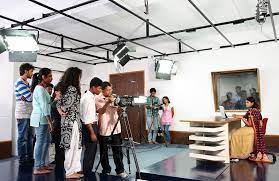
Introduction about B.Sc. (Film Technology)
In the ever-evolving world of entertainment and media, the magic that happens behind the scenes is often just as captivating as the on-screen performances. B.Sc. Film Technology is a program that delves deep into the art and science of filmmaking, providing students with the necessary skills and knowledge to play a pivotal role in the world of cinema and media production.
What is B.Sc. Film Technology?
B.Sc. Film Technology, also known as Bachelor of Science in Film Technology, is an undergraduate program designed to equip students with a comprehensive understanding of the technology and techniques involved in filmmaking. This degree program encompasses various aspects of film production, from pre-production to post-production.
History and Evolution of Film Technology
To truly appreciate the significance of B.Sc. Film Technology, we must first delve into the history of film technology. Since its inception, the world of cinema has undergone remarkable transformations, driven by technological innovations. The early days of silent films have evolved into the age of high-definition, 3D, and even virtual reality cinema experiences.
Importance of Film Technology in the Modern World
Film technology is not confined to the silver screen. It extends its influence to various industries, including advertising, television, gaming, and even education. The knowledge and skills gained through a B.Sc. in Film Technology have become increasingly valuable in our digital age.
Career Opportunities for B.Sc. Film Technology Graduates
B.Sc. Film Technology graduates have a plethora of career opportunities at their disposal. They can pursue careers as cinematographers, film editors, sound engineers, visual effects artists, and even directors. The world of cinema welcomes these professionals with open arms.
Top Universities Offering B.Sc. Film Technology Programs
When considering a B.Sc. in Film Technology, choosing the right university is crucial. Several renowned institutions around the world offer this program, each with its unique approach to film education. Some of the top universities include UCLA, NYU Tisch School of the Arts, and USC School of Cinematic Arts.
Admission Requirements and Eligibility
Getting into a B.Sc. Film Technology program typically requires a strong academic background, a passion for the field, and often, a portfolio showcasing your creativity and talent. Each university may have specific admission criteria, so it's essential to do your research.
Course Curriculum and Specializations
The curriculum of B.Sc. Film Technology programs is diverse and encompasses courses related to screenwriting, cinematography, film editing, sound design, and more. Specializations are often available, allowing students to focus on their particular areas of interest.
Faculty and Industry Experts
One of the significant advantages of pursuing a B.Sc. in Film Technology is the chance to learn from industry experts and renowned faculty members. Their insights and guidance can shape the careers of aspiring filmmakers.
Hands-On Experience and Practical Training
Film is an art best learned by doing. B.Sc. Film Technology programs emphasize hands-on experience, providing students with opportunities to work on real film projects. Practical training is a cornerstone of this degree.
The Role of Film Technology in the Entertainment Industry
Film technology is the backbone of the entertainment industry. It brings dreams to life, evokes emotions, and captivates audiences worldwide. The impact of film technology goes beyond entertainment, as it also influences cultural perspectives and social change.
Future Trends in Film Technology
As technology continues to advance, so does the field of film technology. Emerging trends like virtual reality, AI-driven filmmaking, and 4K+ resolutions are shaping the future of the industry. B.Sc. Film Technology graduates will be at the forefront of these innovations.
How can I apply for admission to B.Sc. (Film Technology)
Applying for admission to a B.Sc. in Film Technology program is a straightforward process, but it may vary depending on the university and country you choose. Here are the general steps to guide you through the application process:
Research and Choose Your University:
Start by researching universities that offer B.Sc. in Film Technology programs. Look for institutions known for their film schools and quality education.
Check Admission Requirements:
Visit the university's official website to review the specific admission requirements for the program. These requirements may include academic qualifications, standardized test scores (e.g., SAT or ACT), language proficiency (e.g., IELTS or TOEFL for international students), and a portfolio (if required).
Prepare Academic Transcripts:
Ensure you have copies of your academic transcripts from your high school or previous college, along with any necessary translations.
Language Proficiency Test:
If you're an international student and your native language is not the language of instruction, you may need to take an English proficiency test (e.g., IELTS or TOEFL) and submit your scores.
Create a Portfolio (if required):
Some universities may require you to submit a portfolio showcasing your creative work in film or related fields. Follow the university's guidelines for portfolio submissions.
Write a Statement of Purpose:
Compose a well-crafted statement of purpose that explains your motivation for pursuing a B.Sc. in Film Technology, your career goals, and why you've chosen that particular university.
Letters of Recommendation:
Some universities may ask for letters of recommendation from teachers or professionals who can vouch for your skills and potential in the field of film technology.
Fill out the Application Form:
Complete the university's online application form. Be thorough and accurate when providing personal and academic information.
Pay Application Fee:
Pay the application fee as required by the university. Ensure that you have proof of payment.
Submit Your Application:
Once you've filled out the application form, attached all required documents, and paid the application fee, submit your application through the university's application portal.
Track Your Application:
Keep track of your application status through the university's application portal. Some universities provide updates on admission decisions.
Attend Interviews or Auditions (if required):
Some universities may require interviews or auditions as part of the admission process. Prepare accordingly and be on time.
Apply for Financial Aid or Scholarships (if needed):
If you need financial assistance, check if the university offers scholarships, grants, or other forms of financial aid for B.Sc. Film Technology students.
Acceptance and Visa (for International Students):
If you receive an acceptance letter, follow the instructions for visa application and other pre-departure requirements, especially if you're an international student.
Plan for Housing and Arrival:
Once you're accepted, plan your housing, travel, and arrival at the university. Ensure you have all necessary documents and supplies for your studies.
What is the eligibility for B.Sc. (Film Technology)
The eligibility criteria for a B.Sc. in Film Technology program may vary from one university to another, but there are some common requirements that you'll generally find. Here are the typical eligibility criteria:
Academic Qualifications:
Candidates are usually required to have completed their high school education or an equivalent qualification. In most cases, you should have a high school diploma or its international equivalent.
Subject Requirements:
Some universities may specify certain subject prerequisites, such as a strong background in arts, media studies, or related fields. It's important to check if you meet these subject-specific requirements.
Minimum Grades:
Many universities have minimum academic performance standards, typically expressed as a minimum GPA or percentage in your high school or equivalent qualification. These standards can vary, so check the specific requirements of the universities you're interested in.
Language Proficiency (for International Students):
If you're an international student applying to a program in a country where English is not the native language, you may need to demonstrate your proficiency in English. This is usually done through standardized tests like IELTS or TOEFL. Each university will have its minimum score requirements, which can vary.
Portfolio (if required):
Some universities may ask for a portfolio showcasing your creative work in fields related to film or media. This can include samples of your film projects, scripts, photography, or other creative endeavors.
Letters of Recommendation:
Certain universities may require letters of recommendation from teachers, mentors, or professionals who can vouch for your passion, talent, and potential in the field of film technology.
Entrance Exam (if required):
A few institutions may require applicants to take an entrance examination to evaluate their knowledge and skills in relevant areas. Make sure to check if the university you're interested in has such a requirement.
Interview or Audition (if required):
Some universities may conduct interviews or auditions as part of the admission process to assess your creative abilities and passion for film technology.
How long does it takes to complete a B.Sc. (Film Technology)
The duration to complete a B.Sc. in Film Technology program typically ranges from 3 to 4 years, depending on various factors such as the university's specific curriculum, the country in which you are studying, and whether you choose to pursue any optional specializations or take a co-op/internship year.
Here's a breakdown of the typical durations:
Three-Year Program: Many B.Sc. in Film Technology programs are designed as three-year undergraduate degrees. These programs are often more structured, with fewer elective courses, and are focused on providing students with a solid foundation in film technology.
Four-Year Program: Some universities offer a four-year B.Sc. in Film Technology program, which allows for more flexibility in the curriculum. This additional year may include the opportunity to explore elective courses, take on internships, or delve deeper into specific areas of film technology, such as cinematography, editing, or sound design.
Co-op/Internship Year: In some cases, universities offer the option for students to extend their program by one year to include a co-op or internship experience. This can provide invaluable real-world industry experience, but it will lengthen the overall duration of your degree.
What are potential career opportunities after B.Sc. (Film Technology)
A B.Sc. in Film Technology equips graduates with a wide range of skills and knowledge in the field of filmmaking, making them eligible for various career opportunities in the film and entertainment industry. Here are some potential career paths and opportunities:
Cinematographer/Director of Photography:
Cinematographers are responsible for capturing the visual elements of a film. They work closely with the director to create the desired look and feel of a movie, making decisions about lighting, camera angles, and shot composition.
Film Editor:
Film editors are crucial in the post-production process. They take raw footage and assemble it into a coherent and engaging story. Their work involves cutting scenes, adding special effects, and ensuring continuity.
Sound Designer/Audio Engineer:
Sound designers and audio engineers work on the auditory aspects of a film. They are responsible for recording and mixing sound, adding music, and creating special audio effects to enhance the viewing experience.
Visual Effects (VFX) Artist:
VFX artists use computer software to create visual effects that are impossible or impractical to achieve during filming. They play a vital role in the creation of CGI (computer-generated imagery) and other digital effects in films.
Film Director:
Film directors are responsible for overseeing all aspects of a film's production, from working with actors to making creative and technical decisions. They are the visionaries behind the film.
Screenwriter:
Screenwriters create the script and storyline for a film. They are responsible for the dialogue, character development, and overall narrative structure.
Production Designer/Art Director:
Production designers and art directors are in charge of the visual and aesthetic aspects of a film. They design and oversee the sets, props, and overall look of the production.
Camera Operator:
Camera operators are responsible for operating the cameras during filming, capturing the shots as per the director's instructions.
Gaffer/Grip:
Gaffers and grips are responsible for the lighting and rigging equipment on a film set. They ensure that the lighting is set up correctly and assist in moving the camera equipment.
Film Producer:
Producers oversee the business and financial aspects of film production. They secure funding, manage budgets, and coordinate the various aspects of the project.
Location Manager:
Location managers are responsible for finding suitable filming locations, obtaining necessary permits, and ensuring a smooth on-site production.
Film Critic/Reviewer:
Film critics analyze and review films for newspapers, magazines, websites, and other media outlets. They provide insights and opinions about the quality and impact of movies.
Film Educator/Instructor:
Some B.Sc. in Film Technology graduates choose to become film educators, teaching the next generation of filmmakers in academic institutions or through workshops.
Independent Filmmaker:
Some individuals may choose to create their own independent films, working on various aspects of production themselves or with a small team.
Film Industry Consultant:
Film technology experts may offer consulting services to film production companies, helping them implement the latest technology and techniques.
Syllabus of B.Sc. (Film Technology)
The syllabus for a B.Sc. in Film Technology program may vary from one university to another, and the structure of the curriculum can be tailored to suit the institution's specific focus and expertise. However, I can provide a sample outline of the syllabus for a four-year program, divided into semesters:
Semester 1:
Film History and Appreciation
Introduction to Cinematography
Scriptwriting and Storytelling
Film Production Basics
Fundamentals of Editing
Communication and Presentation Skills
Semester 2:
Film Analysis and Critique
Digital Filmmaking Techniques
Screenplay Development
Sound Design and Audio Production
Film Production Workshop
Visual Communication
Semester 3:
Advanced Cinematography and Lighting
Film Directing
Production Design and Art Direction
Non-Linear Editing and Post-Production
Film Genres and Styles
Film and Media Ethics
Semester 4:
Special Effects and Visual Effects (VFX)
Film Editing and Post-Production Workflow
Film Marketing and Distribution
Film Festivals and Promotion
Internship or Industry Project
Semester 5:
Advanced Film Directing Techniques
Documentary Filmmaking
Film Business and Entrepreneurship
Film Theory and Criticism
Film and Cultural Studies
Film Production Specialization (e.g., Cinematography, Editing, Sound)
Semester 6:
Advanced Sound Design and Mixing
Advanced Visual Effects (VFX)
Film Production Management
Film and Technology: Emerging Trends
Portfolio Development
Semester 7:
Professional Internship or Industry Project
Film and Media Law and Regulations
Film Marketing and Promotion Strategies
Elective Course (e.g., Film Festivals, Independent Filmmaking)
Screenwriting for Web Series and New Media
Semester 8:
Graduation Project
Film and Media Research
Film and Society: Impact and Responsibility
Elective Course (e.g., Film Preservation, Animation)
Portfolio Presentation
Internship opportunities after completing B.Sc. (Film Technology)
Completing a B.Sc. in Film Technology opens the door to a variety of internship opportunities in the film and entertainment industry. Internships are an excellent way to gain practical experience, build industry connections, and further develop your skills. Here are some common internship opportunities for B.Sc. Film Technology graduates:
Film Production Companies: Interning at a film production company provides hands-on experience in various aspects of film production, from pre-production to post-production. You may work as a production assistant, assistant director, or in other roles to learn the ropes of filmmaking.
Cinematography Internships: These internships allow you to work closely with experienced cinematographers, helping with camera equipment, lighting setup, and shooting. It's an excellent opportunity to refine your camera skills.
Editing Studios: Interning at an editing studio offers experience in video editing and post-production. You may work with professional editing software, assist with editing tasks, and learn about the editing process.
Visual Effects (VFX) Companies: If you're interested in VFX, interning at a VFX studio allows you to work on creating visual effects for films. This can involve CGI, compositing, and other digital effects.
Sound Design and Audio Post-Production: Internships at sound design and audio post-production studios provide experience in recording, sound editing, mixing, and creating soundscapes for films.
Film Distribution and Marketing: These internships involve understanding the business side of the film industry. You may assist in marketing campaigns, film distribution strategies, and promotional activities.
Film Festivals: Interning at film festivals allows you to gain insight into the world of film programming and event management. You can help with organizing screenings, managing guest lists, and facilitating Q&A sessions.
Film Archives and Preservation: If you have an interest in film history and preservation, internships at film archives or museums can provide exposure to film restoration, cataloging, and curation.
Television Production Companies: Interning with television production companies offers insights into TV production, including scriptwriting, shooting, and post-production for television programs and series.
Advertising Agencies: Some B.Sc. Film Technology graduates find internships in advertising agencies, where they can work on commercial video production and editing.
Independent Film Projects: Joining independent film projects as an intern can provide valuable experience in a variety of roles, including director, producer, cinematographer, and editor.
Animation Studios: If you have an interest in animation, consider internships at animation studios, where you can work on animated film or series projects.
Film Education and Workshops: Some graduates choose to intern or work as assistants in film schools, where they can help with film education, workshops, and student projects.
Scholarship and grants for B.Sc. (Film Technology)
Scholarships and grants for a B.Sc. in Film Technology can help ease the financial burden of pursuing your education. While the availability and criteria for scholarships and grants can vary from one institution to another, here are some common sources of financial assistance to consider:
University Scholarships: Many universities offer merit-based scholarships for outstanding students. These scholarships may be based on academic achievements, standardized test scores, or a strong portfolio. Be sure to check the official website of the university you plan to attend for information on available scholarships.
Departmental Scholarships: Some film schools or departments within universities offer scholarships specifically for students pursuing degrees in film or related fields. These scholarships may be awarded based on your creative potential, academic performance, or specific achievements within the department.
Film Industry Scholarships: Various film industry organizations and foundations offer scholarships to support aspiring filmmakers. These scholarships may be based on your passion for film, a strong portfolio, or involvement in film-related activities.
Government Grants and Loans: In some countries, government agencies provide grants and student loans to assist with higher education expenses. Be sure to research the availability of such programs in your country and understand their eligibility criteria.
Film Festivals and Competitions: Some film festivals and competitions offer financial prizes and scholarships to emerging filmmakers. Participating in these events and winning awards can be a way to fund your education.
Private Organizations and Foundations: Numerous private organizations and foundations are dedicated to supporting education in the arts, including film. Explore opportunities with organizations that align with your academic and career goals.
Film School Scholarships: Film schools and institutes may have their own scholarships and financial aid programs for students enrolling in their film programs. Check with the film schools you're interested in for details.
Minority and Diversity Scholarships: Some scholarships are designed to promote diversity and inclusion in the film industry. These opportunities may be available to students from underrepresented backgrounds.
Film Production Companies: Certain film production companies and studios offer scholarships to students pursuing film degrees. These scholarships may come with the expectation of working for the company upon graduation.
Work-Study Programs: Some universities offer work-study programs that allow you to work on campus while studying, helping to cover your educational expenses.
International Scholarships: If you're an international student, check for scholarships and grants that may be available for students studying abroad or in your host country.
Conclusion
B.Sc. Film Technology is more than just a degree; it's a ticket to a world of creativity, imagination, and innovation. Graduates of this program are poised to make their mark in the world of entertainment and media, shaping the future of storytelling through the lens of technology.
FAQ,s
What is B.Sc. Film Technology?
B.Sc. Film Technology is an undergraduate program that focuses on the technical and creative aspects of filmmaking. It covers various aspects of the film production process, including cinematography, editing, sound design, visual effects, and more.
What are the career prospects after completing a B.Sc. in Film Technology?
Graduates can pursue careers in various roles within the film and entertainment industry, such as cinematographer, film editor, sound designer, director, visual effects artist, and more.
Is prior experience in filmmaking required to apply for this program?
No, prior experience is not always required. B.Sc. Film Technology programs often admit both beginners and individuals with some prior experience in filmmaking.
Can I specialize in a specific area of film technology during the program?
Many programs offer the opportunity to specialize in areas like cinematography, editing, sound design, or visual effects during the course of your studies.
What are the admission requirements for B.Sc. Film Technology?
Admission requirements vary by university, but they typically include a high school diploma or its equivalent, language proficiency (for international students), and sometimes a portfolio showcasing your work.
How long does it take to complete a B.Sc. in Film Technology?
The duration varies, but it typically takes 3 to 4 years to complete a B.Sc. in Film Technology. Some programs may also offer a co-op/internship year.
Can I find internship opportunities during my studies?
Yes, many universities facilitate internships, which can provide valuable hands-on experience in the film industry.
Are there scholarships and grants available for B.Sc. Film Technology programs?
Yes, various scholarships, grants, and financial aid options are available for students pursuing a B.Sc. in Film Technology. Check with universities, film industry organizations, and foundations for opportunities.
What is the scope of B.Sc. Film Technology in the digital age?
B.Sc. Film Technology remains relevant in the digital age as it equips students with skills to adapt to emerging technologies, including virtual reality, AI-driven filmmaking, and 4K+ resolutions.
Can I work on independent film projects as part of the program?
Some programs offer opportunities to work on independent film projects, allowing students to gain practical experience in real-world filmmaking.
How Shiksha Hub helps you in
-
 Student Counsellors
 -
 Career Counseling
 -
 Research
 -
 24/7 Support
 -
 Scholarships
 -
 Community