Posted by Admin on 16-08-2023 in Shiksha hub
B.A. (Hons) (Textile Design for Fashion and Interiors), Introduction, Admission, Registration, Eligibility, Duration, Fees, Syllabus 2024
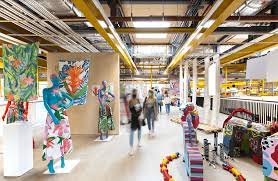
Introduction about B.A. (Hons) (Textile Design for Fashion and Interiors)
Textiles are an integral part of our daily lives, from the clothes we wear to the upholstery in our homes. Behind every beautifully designed fabric, there is a skilled textile designer who has brought it to life. B.A. (Hons.) in Textile Design for Fashion and Interiors is a program that immerses students in the world of textiles, helping them develop the creative and technical skills necessary to excel in this industry.
What is B.A. (Hons.) in Textile Design?
B.A. (Hons.) in Textile Design is an undergraduate degree program that focuses on the creation, development, and production of textiles for various applications, including fashion and interior design. This program offers a comprehensive understanding of the textile industry, encompassing both traditional and contemporary approaches.
This degree provides students with the opportunity to explore various techniques, materials, and technologies involved in textile design. Whether it's designing fabrics for high-end fashion brands or creating unique interior furnishings, this program equips students with the skills and knowledge needed to succeed in these creative industries.
Career Opportunities in Textile Design
Textile design offers a wide array of career opportunities. Graduates can explore careers in fashion design, textile production, interior design, and more. Textile designers are in demand in various sectors, including:
Fashion Houses
Textile Manufacturing Companies
Interior Design Firms
Retailers
Freelance Design
The diversity of career options in this field makes B.A. (Hons.) in Textile Design an attractive choice for those with a passion for creativity and textiles.
Importance of Textile Design in Fashion and Interiors
Textile design plays a vital role in the world of fashion and interior design. It's the textile designer's artistic vision that transforms plain fabrics into stunning garments and furnishings. Textile design creates the textures, patterns, and color palettes that define trends and styles in these industries.
Designers in this field must keep a keen eye on consumer preferences and market trends to ensure that their creations align with contemporary tastes. The ability to innovate and stay ahead of the curve is essential for success in this competitive industry.
Curriculum and Courses in B.A. (Hons.) Textile Design
The curriculum of B.A. (Hons.) Textile Design is structured to provide a well-rounded education. It includes a mix of theoretical and practical courses, covering areas such as:
Textile Technology
Surface Pattern Design
Weaving and Printing Techniques
Fashion Illustration
Material Science
Color Theory
Sustainable Textile Practices
The combination of these courses equips students with the skills and knowledge needed to excel in textile design.
Skills and Qualities Required for Textile Design
To excel in textile design, students must possess various skills and qualities, including:
Creativity
Attention to Detail
Strong Sense of Color and Form
Technical Proficiency
Problem-Solving Abilities
Trend Forecasting
Adaptability
The program hones these skills, ensuring that graduates are well-prepared for the industry's demands.
Internship and Practical Experience
B.A. (Hons.) Textile Design programs often include internships or practical experiences, allowing students to gain real-world exposure to the industry. These experiences help students apply their knowledge and skills in a professional setting, building their portfolios and industry connections.
Notable Institutions Offering B.A. (Hons.) Textile Design
Several institutions around the world offer B.A. (Hons.) Textile Design programs. Some renowned institutions known for their excellence in textile design education include:
Central Saint Martins, London
Rhode Island School of Design (RISD), USA
Fashion Institute of Technology (FIT), New York
Royal College of Art, London
Job Prospects After Graduation
Upon completing a B.A. (Hons.) in Textile Design, graduates have various career paths to choose from, including:
Textile Designer
Fashion Designer
Interior Designer
Textile Technologist
Product Developer
Trend Analyst
The demand for skilled textile designers ensures that graduates have promising career prospects.
Innovations and Trends in Textile Design
The textile design industry is continually evolving, driven by technological advancements and changing consumer preferences. Innovations such as smart textiles and sustainable practices are gaining prominence. Staying updated with these trends is crucial for textile designers to remain competitive.
The Creative Process in Textile Design
The creative process in textile design involves ideation, research, experimentation, and execution. Designers often draw inspiration from various sources, from nature to cultural influences. This creative journey leads to the development of unique and captivating textiles.
Challenges in the Textile Design Field
The textile design field comes with its set of challenges, including market competition, sustainability concerns, and the need to balance creativity with commercial viability. Overcoming these challenges requires adaptability and innovation.
Importance of Sustainability in Textile Design
Sustainability has become a key focus in the textile design industry. Designers are increasingly exploring eco-friendly materials and processes to reduce the environmental impact of textile production. Graduates with a strong foundation in sustainability are well-positioned for success in this changing landscape.
Graduates' Success Stories
To inspire aspiring textile designers, let's take a look at the success stories of some B.A. (Hons.) Textile Design graduates who have made their mark in the industry. These individuals showcase the diverse career paths one can pursue with this degree.
How can I apply for admission to B.A. (Hons) (Textile Design for Fashion and Interiors)
To apply for admission to a B.A. (Hons.) program in Textile Design for Fashion and Interiors, you should follow these general steps:
Research Programs: Begin by researching institutions that offer B.A. (Hons.) Textile Design programs. Look for universities or colleges known for their strong textile design curriculum and reputation.
Check Eligibility: Ensure that you meet the eligibility criteria for the program. Typically, you need to have completed your high school education with the required grades in relevant subjects. Each institution may have its specific admission requirements, so review them carefully.
Prepare Application Documents: Most institutions will require the following documents as part of your application:
High school transcripts or equivalent certificates.
A well-written personal statement or statement of purpose, highlighting your interest in textile design and your career goals.
Letters of recommendation from teachers, mentors, or professionals who can vouch for your skills and abilities.
A well-structured resume or curriculum vitae (CV).
A portfolio showcasing your creative work, which may include sketches, designs, or any relevant projects.
Entrance Exams: Some institutions may require you to take specific entrance exams or provide standardized test scores, such as the SAT or ACT.
Online Application: Most institutions offer online application portals. Create an account, fill out the application form, and upload the required documents. Ensure that you double-check all the information before submitting.
Pay Application Fee: Pay the application fee, if applicable. The fee amount varies by institution.
Scholarships and Financial Aid: Check if the institution offers any scholarships or financial aid programs for eligible students. Apply for these opportunities separately if interested.
Interviews or Portfolio Review: Some institutions may require you to attend an interview or portfolio review as part of the admission process. Be prepared to discuss your work and your passion for textile design.
Application Deadline: Pay close attention to application deadlines. Make sure to submit your application well before the deadline to avoid any last-minute issues.
Track Your Application: After submitting your application, keep track of its status through the institution's application portal. You may be asked for additional information or documents during the review process.
Acceptance and Enrollment: If you receive an acceptance letter, carefully review the terms and conditions of admission. If you decide to accept the offer, follow the enrollment instructions provided by the institution.
Visa and Accommodation: If you are an international student, you may need to apply for a student visa. Additionally, arrange for accommodation and plan your travel to the institution.
What is the eligibility for B.A. (Hons) (Textile Design for Fashion and Interiors)
The eligibility criteria for B.A. (Hons.) in Textile Design for Fashion and Interiors can vary depending on the institution offering the program. However, I can provide you with a general overview of the typical eligibility requirements:
Educational Qualifications:
Candidates should have completed their high school education, which is often equivalent to 12 years of schooling or the equivalent of the local educational system.
A strong academic background with a focus on subjects related to arts, design, or textiles is preferred. This may include subjects like art, design, fashion, or home economics.
Minimum Grades:
Institutions often have minimum grade requirements for high school or equivalent examination results. This requirement varies from one institution to another.
Entrance Exams:
Some institutions may require candidates to take specific entrance exams related to art, design, or textiles. These exams assess your aptitude for the program.
Portfolio:
Many institutions ask applicants to submit a portfolio showcasing their creative work. The portfolio may include sketches, designs, artwork, or projects related to textiles or design. The quality of your portfolio is an essential factor in the admission process.
Language Proficiency:
For programs taught in English, non-native English speakers may be required to demonstrate their English language proficiency through standardized tests like IELTS or TOEFL. The specific language proficiency requirements vary by institution.
Statement of Purpose or Personal Statement:
Applicants may be asked to provide a statement of purpose or a personal statement that outlines their interest in textile design, their career goals, and why they want to pursue this specific program.
Letters of Recommendation:
Some institutions may request letters of recommendation from teachers, mentors, or professionals who can vouch for your skills and capabilities.
How long does it takes to complete a B.A. (Hons) (Textile Design for Fashion and Interiors)
The duration of a B.A. (Hons.) in Textile Design for Fashion and Interiors typically takes three to four years to complete. The specific duration can vary depending on the institution and the country where you are pursuing the program. Here's a breakdown of the different scenarios:
Three-Year Program: Many institutions offer a standard three-year undergraduate program for a B.A. (Hons.) in Textile Design. In this case, students complete their coursework, projects, and internships over three academic years.
Four-Year Program: Some institutions may offer a four-year program with additional coursework, projects, or opportunities for specialization. These programs often provide a more comprehensive education and may include a year of industry experience or advanced studies.
Part-Time or Flexible Options: In some cases, students may have the option to pursue the program on a part-time basis, extending the duration based on their schedule. This flexibility can allow individuals to balance their studies with other commitments.
International Variations: The duration may also vary by country. For example, in some countries, a B.A. program may be completed in three years, while in others, it could be four years. It's essential to check the specific program and institution for accurate information.
What are potential career opportunities after B.A. (Hons) (Textile Design for Fashion and Interiors)
After completing a B.A. (Hons.) in Textile Design for Fashion and Interiors, graduates have a wide range of potential career opportunities in the field of textile design and related industries. Here are some of the career options you can pursue:
Textile Designer: As a textile designer, you can work for fashion houses, textile manufacturing companies, or as a freelance designer. Your role involves creating patterns, prints, and textures for fabrics used in fashion and interior design.
Fashion Designer: With a strong foundation in textile design, you can become a fashion designer. You'll be responsible for creating clothing collections, and your expertise in textiles will play a crucial role in the design process.
Interior Designer: Interior designers with a background in textile design can focus on selecting and designing fabrics for interior furnishings such as curtains, upholstery, and decorative textiles. Your knowledge of textiles will be invaluable in creating unique and aesthetically pleasing interior spaces.
Textile Technologist: Textile technologists work to develop and improve textiles and materials. They may be involved in research, testing, and quality control in textile manufacturing companies.
Product Developer: Product developers work in collaboration with designers and manufacturers to bring textile products to market. This may include apparel, home textiles, or technical textiles used in various industries.
Trend Analyst: Trend analysts or forecasters keep an eye on emerging trends in textiles and fashion. They provide valuable insights to designers and businesses, helping them stay ahead of market trends.
Retail Buyer: Retail buyers are responsible for selecting textiles and clothing for stores or online retail platforms. They make decisions on product assortments based on consumer demand and market trends.
Textile Consultant: Textile consultants offer expertise to businesses and individuals on textile selection, design, and application. They can work as independent consultants or with design firms.
Sustainability Specialist: Given the growing importance of sustainability in textiles, you can specialize in sustainable textile practices and work to develop eco-friendly materials and processes.
Pattern Maker: Pattern makers create the templates or patterns used to cut fabric and construct garments. Your understanding of textiles is essential in ensuring that patterns work well with different fabrics.
Entrepreneur: Some graduates choose to start their own textile design businesses, creating their unique fabric designs, clothing lines, or textile products.
Textile Educator: If you have a passion for teaching, you can become an educator in the field of textile design, sharing your knowledge and expertise with aspiring designers.
Textile Artist: Textile artists create unique, often handcrafted, textile artworks or installations that can be displayed in galleries, museums, or private collections.
Textile Curator: Working in museums or cultural institutions, textile curators manage and curate textile collections, preserving and showcasing historical and cultural textiles.
Textile Marketing and Sales: Graduates can work in marketing and sales roles for textile companies, helping promote and sell textiles and textile-related products.
Syllabus of B.A. (Hons) (Textile Design for Fashion and Interiors)
The syllabus for a B.A. (Hons.) in Textile Design for Fashion and Interiors may vary from one institution to another, but I can provide a general outline of the typical semester-wise syllabus for such a program. Please note that this is a sample syllabus, and the specific courses and content may vary based on the institution and the country in which you are studying.
Semester 1
Introduction to Textile Design
Basics of textiles
Historical overview
Fundamental textile terminology
Design Fundamentals
Principles of design
Color theory
Drawing and sketching
Material Science
Textile fibers and their properties
Yarns and fabric structures
Introduction to dyeing and printing
Fashion and Interior Design Basics
Introduction to fashion and interior design
Basics of garment and interior construction
Design software basics
Semester 2
Textile Printing and Dyeing
Techniques in textile printing
Fabric dyeing processes
Colorfastness and finishing
Surface Pattern Design
Creating patterns for textiles
Pattern repeats
Digital pattern design
Fashion Illustration
Fashion sketching
Human anatomy for fashion
Digital illustration tools
Textile History and Culture
Historical textiles
Cultural influences on textile design
Ethical and sustainable practices
Semester 3
Advanced Textile Design
Complex pattern creation
Innovative textile materials
CAD (Computer-Aided Design) for textiles
Textile Technology
Weaving and knitting techniques
Fabric construction and analysis
Textile testing and quality control
Interior Furnishings and Fabric Selection
Interior design principles
Fabrics for interior applications
Upholstery and window treatments
Professional Communication and Portfolio Development
Effective communication in design
Building a design portfolio
Semester 4
Textile Marketing and Business
Textile market analysis
Entrepreneurship in textiles
Marketing strategies
Fashion and Interior Trends
Trend analysis and forecasting
Market research
Concept development
Internship or Practical Experience
Work placement in the textile or design industry
Gaining real-world experience
Semester 5
Sustainable Textile Practices
Eco-friendly textiles
Sustainability in design
Recycling and upcycling
Advanced Fashion and Interior Design
Complex garment and interior projects
Design innovation
Semester 6
Capstone Project
Major design project in fashion or interiors
Research, design, and presentation
Graduation Portfolio and Exhibition
Preparing a comprehensive design portfolio
Exhibition of final projects
Internship opportunities after completing B.A. (Hons) (Textile Design for Fashion and Interiors)
Completing a B.A. (Hons.) in Textile Design for Fashion and Interiors opens up various internship opportunities in the field. Internships provide valuable real-world experience and the chance to apply the skills and knowledge gained during your studies. Here are some internship opportunities you can explore:
Fashion Houses: Many renowned fashion houses offer internship programs for textile design students. As an intern, you might assist the design team, work on fabric selections, and learn about the design process for clothing and accessories.
Textile Manufacturers: Interning with textile manufacturing companies allows you to understand the production side of the industry. You can gain hands-on experience in fabric development, quality control, and production processes.
Interior Design Firms: Interior design firms often welcome textile design interns to assist with selecting fabrics and textiles for interior furnishings, such as curtains, upholstery, and linens. This experience can be valuable for those interested in interior design.
Retailers: Retail companies, especially those specializing in fashion or home goods, may offer internship positions in textile design. You could be involved in product selection, visual merchandising, and customer interaction.
Textile Testing and Quality Control Labs: Laboratories that specialize in textile testing and quality control often hire interns to assist in assessing the performance of various fabrics and textiles. This experience is valuable for those interested in textile technology and quality assurance.
Sustainable Textile Initiatives: Given the growing importance of sustainability in textiles, consider interning with organizations and brands focused on eco-friendly textiles and sustainable practices. You can learn about sustainable material sourcing and production.
Artisan Workshops: Some interns choose to work with artisan workshops, where they can learn traditional textile techniques and craftsmanship. This experience offers a unique perspective on handmade textiles and cultural influences.
Textile Research Institutions: Research institutions or textile-focused research centers may offer internships for students interested in textile innovation, material development, or textile science.
Freelance Opportunities: Some students choose to work as freelance textile designers during or after their studies. While this isn't a traditional internship, it allows you to gain practical experience by taking on design projects for clients.
Museums and Cultural Institutions: If you're interested in the historical and cultural aspects of textiles, consider interning with museums or cultural institutions that curate textile collections. You can learn about preservation, curation, and exhibition design.
Scholarship and grants for B.A. (Hons) (Textile Design for Fashion and Interiors)
Scholarships and grants are available to support students pursuing a B.A. (Hons.) in Textile Design for Fashion and Interiors. These financial aid opportunities can help cover tuition fees, living expenses, and educational costs. Here are some potential sources of scholarships and grants:
Institutional Scholarships: Many universities and colleges offer scholarships to incoming and current students. These scholarships may be based on academic merit, financial need, or specific criteria related to the textile design program.
Departmental Scholarships: The department or faculty of textile design within your institution may have scholarships or awards for outstanding students. These could be based on academic performance, design talent, or contributions to the field.
Merit-Based Scholarships: Merit-based scholarships are typically awarded to students with exceptional academic achievements. These scholarships may consider your high school grades, standardized test scores, and other academic accomplishments.
Need-Based Scholarships: Need-based scholarships are designed for students with demonstrated financial need. To apply for these scholarships, you'll typically need to submit the Free Application for Federal Student Aid (FAFSA) or its equivalent in your country.
Creative Talent Scholarships: Some institutions and organizations offer scholarships specifically for students with exceptional creative talent in textile design. You may be required to submit a portfolio or participate in a design competition to be eligible.
Industry-Specific Scholarships: Various textile and fashion industry associations and foundations offer scholarships to students pursuing careers in the field. These scholarships often have specific criteria related to your career goals and involvement in the industry.
Diversity Scholarships: Some scholarships aim to promote diversity and inclusion in the textile and design fields. These may be available to underrepresented minority students or those from diverse backgrounds.
Government Grants and Aid: Depending on your country of residence, government grants and financial aid programs may be available to support your education. Research government-sponsored student aid programs in your region.
Private Organizations and Foundations: Numerous private organizations, foundations, and trusts offer scholarships and grants to students pursuing education in design-related fields. These opportunities can vary widely in terms of eligibility and requirements.
International Scholarships: If you are an international student, you can explore scholarships provided by institutions, governments, or international organizations that support students studying abroad.
Online Scholarship Search Engines: There are online scholarship search engines and databases, such as Fastweb, Scholarships.com, and Cappex, that allow you to search for scholarships based on your background and interests.
Employer-Provided Tuition Assistance: Some employers offer tuition assistance or reimbursement programs to their employees who are pursuing further education. Check with your current or prospective employer to see if such benefits are available.
Conclusion
In conclusion, B.A. (Hons.) in Textile Design for Fashion and Interiors is a gateway to a dynamic and creative career. This program equips students with the skills, knowledge, and practical experience needed to excel in the textile design industry. Whether you aspire to be a fashion designer or a textile technologist, this degree offers a world of opportunities.
FAQ,s
What is B.A. (Hons.) in Textile Design for Fashion and Interiors?
B.A. (Hons.) in Textile Design is an undergraduate program that focuses on the creation, development, and production of textiles for various applications, including fashion and interior design.
What are the career prospects after completing this program?
Graduates can pursue careers as textile designers, fashion designers, interior designers, textile technologists, and more. The program offers diverse career opportunities in the design and textile industries.
What are the eligibility criteria for this program?
Eligibility criteria may vary by institution, but typically, candidates should have completed their high school education and meet specific academic requirements. Some programs may also require a portfolio or entrance exam.
How long does it take to complete B.A. (Hons.) in Textile Design?
The program usually takes three to four years to complete, depending on the institution and specific program structure.
What is the curriculum like?
The curriculum includes courses in textile design, fashion design, interior design, material science, color theory, and various design-related subjects. It also often includes hands-on projects and internships.
Are there opportunities for internships during the program?
Yes, many programs include internship or practical experience components, allowing students to gain real-world exposure to the industry and build their portfolios.
Can I specialize in a particular area of textile design?
Some programs offer opportunities for specialization in areas such as sustainable design, technical textiles, or specific fashion or interior design niches.
What is the importance of sustainability in textile design?
Sustainability is a growing concern in the industry. Textile designers are increasingly exploring eco-friendly materials and processes to reduce the environmental impact of textile production.
Are there scholarships available for students pursuing this program?
Yes, various scholarships and grants are available to support students pursuing a B.A. (Hons.) in Textile Design. These scholarships can be merit-based, need-based, or related to specific design talents.
What kind of job prospects are available for graduates in the textile design field?
Graduates can work as textile designers, fashion designers, interior designers, textile technologists, product developers, trend analysts, and more. The textile design field offers diverse career opportunities.
Can I pursue further education after completing this program?
Yes, after completing a B.A. (Hons.) in Textile Design, you can pursue a master's degree in design-related fields, further specializing in your area of interest.
How can I apply for admission to this program?
To apply, you should research institutions offering the program, check their specific admission requirements, prepare the necessary documents, and submit your application through the institution's online portal or as per their guidelines.
What kind of portfolio should I prepare for admission?
Your portfolio should showcase your creative work, including sketches, designs, and projects related to textiles and design. It should demonstrate your design skills and creativity.
What are the future trends in textile design and fashion?
Future trends may include sustainable and eco-friendly materials, innovative textile technologies, and an increased focus on cultural and historical influences in design.
What are the key skills needed to succeed in textile design?
Key skills include creativity, attention to detail, a strong sense of color and form, technical proficiency, problem-solving abilities, and the ability to adapt to evolving design trends.
How Shiksha Hub helps you in
-
 Student Counsellors
 -
 Career Counseling
 -
 Research
 -
 24/7 Support
 -
 Scholarships
 -
 Community