Posted by Admin on 16-08-2023 in Shiksha hub
B.A. (Hons) (Interior Architecture Design), Introduction, Admission, Registration, Eligibility, Duration, Fees, Syllabus 2024
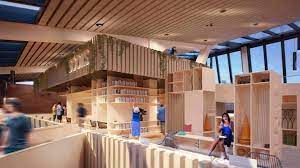
Introduction about B.A. (Hons) (Interior Architecture Design)
B.A. (Hons) in Interior Architecture Design is an exciting academic program that blends creativity, architecture, and innovation. This course is designed to cater to individuals who possess a passion for creating aesthetically pleasing and functional interior spaces. In this article, we will delve into the world of interior architecture design, exploring its significance, the role of interior architects, educational requirements, and various other aspects.
The Importance of Interior Architecture Design
Interior architecture design plays a pivotal role in our daily lives. It involves the planning, designing, and execution of interior spaces, which are not only visually appealing but also highly functional. Whether it's designing your dream home, an office space, or a public building, interior architects are the masterminds behind these environments. They make spaces comfortable, efficient, and aesthetically pleasing.
The Role of Interior Architects
Interior architects are the creative minds responsible for transforming spaces. They collaborate with clients, understand their requirements, and bring their visions to life. From selecting the right color schemes and materials to optimizing spatial layouts, interior architects meticulously plan every aspect to create harmonious interiors. Their work is not just about aesthetics but also enhancing the quality of life within a space.
Educational Requirements for B.A. (Hons) in Interior Architecture Design
To embark on a career in interior architecture design, a B.A. (Hons) program is a significant stepping stone. Typically, candidates are required to have a high school diploma or equivalent qualification to apply for this undergraduate program. Admission often involves an interview or a portfolio submission to assess the candidate's creative and design aptitude.
Curriculum and Course Structure
The curriculum for B.A. (Hons) in Interior Architecture Design is diverse and comprehensive. Students learn various design principles, architectural history, materials and technologies, and project management. This program equips students with a strong foundation in design, spatial planning, and problem-solving, essential for a career in interior architecture.
Career Opportunities
Graduates of this program have a wide array of career opportunities to explore. They can work as interior architects, space planners, or even set up their design consultancy firms. The demand for professionals who can enhance interior spaces continues to grow, making this field highly promising.
Job Market Demand
The job market for interior architects is on the rise, as more people recognize the importance of well-designed spaces. Whether it's a home renovation, office redesign, or creating sustainable living environments, interior architects are in demand across the globe.
Notable Institutions Offering This Program
Several prestigious institutions offer B.A. (Hons) in Interior Architecture Design. Some of them include the Royal College of Art, Central Saint Martins, and Pratt Institute. These institutions provide students with the necessary skills and knowledge to excel in this field.
Student Testimonials
Hearing from current and former students can provide valuable insights. Here are a few testimonials from individuals pursuing or who have graduated from this program:
"Studying interior architecture design has allowed me to unleash my creativity and think outside the box. It's a fascinating journey where you bring spaces to life." - Sarah, Current Student
"My career skyrocketed after completing this program. The skills I gained have opened doors to exciting opportunities in the design world." - John, Alumni
The Creative Process in Interior Architecture Design
The creative process in interior architecture design involves a blend of imagination, inspiration, and functionality. It's about understanding the client's needs, interpreting their vision, and infusing creativity into the design process.
Innovative Trends in the Field
Interior architecture design is a dynamic field with ever-evolving trends. From sustainable design practices to the use of cutting-edge technology, professionals in this field need to stay updated with the latest innovations.
Challenges Faced by Interior Architects
Like any profession, interior architecture design comes with its challenges. Meeting client expectations, working within budgets, and managing tight deadlines are part and parcel of the job. However, these challenges are what make the field exciting and rewarding.
The Future of Interior Architecture Design
The future of interior architecture design is promising. With an increasing focus on sustainability and well-being, interior architects will play a crucial role in creating spaces that are not only beautiful but also environmentally conscious and user-friendly.
How can I apply for admission to B.A. (Hons) (Interior Architecture Design)
To apply for admission to a B.A. (Hons) program in Interior Architecture Design, you need to follow a series of steps. Here's a general guide on how to do it:
Research Institutions: Start by researching institutions that offer B.A. (Hons) in Interior Architecture Design. Look for universities or colleges that have a strong reputation in this field.
Check Admission Requirements: Each institution may have its specific admission requirements. Typically, you'll need a high school diploma or an equivalent qualification. Check if the institution requires any standardized tests like SAT or ACT.
Create a Portfolio: Many programs will require you to submit a portfolio showcasing your design and creative skills. Your portfolio should include your best design projects, sketches, and any relevant creative work. Make sure your portfolio is well-organized and visually appealing.
Prepare a Personal Statement: You may need to write a personal statement or essay explaining your interest in Interior Architecture Design, your career goals, and why you want to pursue this program. Be sure to highlight your passion for design and your understanding of the field.
Gather Transcripts: You'll need to provide transcripts from your high school or any previous academic institutions. Make sure your academic records are up to date.
Letters of Recommendation: Some institutions may require letters of recommendation from teachers or professionals who can vouch for your abilities and potential in the field.
Apply Online: Most institutions offer online application portals. Complete the online application form, ensuring that you provide accurate information.
Pay Application Fee: There is usually an application fee that you'll need to pay. The fee varies from one institution to another. Be prepared to make this payment.
Interviews or Auditions: Depending on the institution, you may be required to attend an interview or audition. This is your chance to showcase your passion and skills.
Submit Your Application: Once you've filled out the application, submitted your portfolio, personal statement, and any other required documents, review everything carefully. Ensure that you've met all the deadlines and submitted all the necessary materials.
Wait for Admission Decision: After you've submitted your application, you'll need to wait for the institution to review your materials. This may take some time, so be patient.
Acceptance and Enrollment: If you receive an acceptance letter, congratulations! You can then follow the institution's instructions to complete the enrollment process. This may involve paying a deposit and registering for classes.
Financial Aid and Scholarships: If you need financial assistance, explore scholarship and financial aid options. Many institutions offer scholarships to talented students.
What is the eligibility for B.A. (Hons) (Interior Architecture Design)
The eligibility criteria for a B.A. (Hons) in Interior Architecture Design may vary from one institution to another, but here are the general eligibility requirements that you can expect:
Educational Qualifications:
A high school diploma or its equivalent is typically required. This is often the minimum academic qualification for admission to a B.A. (Hons) program.
Academic Performance:
Institutions may consider your high school academic performance, including your grades and grade point average (GPA). Competitive programs may have higher GPA requirements.
Subject Requirements:
Some institutions may have specific subject requirements, such as a strong background in art, design, or related subjects. It's essential to check if the program you're interested in has any subject prerequisites.
Entrance Exams:
Certain universities or colleges may require you to take standardized tests like the SAT (Scholastic Assessment Test) or ACT (American College Testing). Check whether the program you're applying to mandates these tests.
Portfolio Submission:
Many institutions offering Interior Architecture Design programs require applicants to submit a portfolio showcasing their creative and design skills. Your portfolio should include examples of your design projects, sketches, and any other relevant creative work.
Letters of Recommendation:
Some institutions may request letters of recommendation from teachers or professionals who can vouch for your abilities and potential in the field of interior architecture design.
Personal Statement or Essay:
You may need to write a personal statement or essay explaining your interest in Interior Architecture Design, your career goals, and why you want to pursue this program. This is your opportunity to showcase your passion and understanding of the field.
Interview or Audition:
Depending on the institution, you might be required to attend an interview or audition. This is typically done to assess your passion, skills, and suitability for the program.
Language Proficiency:
If English is not your native language, you may need to demonstrate your proficiency in English by taking tests like the TOEFL (Test of English as a Foreign Language) or IELTS (International English Language Testing System).
Other Requirements:
Some institutions may have additional requirements, such as a statement of purpose, a resume, or specific design-related tests. Be sure to review the admission criteria for each institution carefully.
How long does it takes to complete a B.A. (Hons) (Interior Architecture Design)
The duration of a B.A. (Hons) in Interior Architecture Design program typically takes three to four years to complete. The exact duration can vary depending on the institution offering the program and the specific curriculum they follow.
Here's a general breakdown of the typical duration:
Three-Year Program: Some institutions offer a condensed three-year B.A. (Hons) program in Interior Architecture Design. These programs are often more intensive and may not include extended breaks between academic terms.
Four-Year Program: Many institutions offer a standard four-year B.A. (Hons) program in Interior Architecture Design. This duration allows for a more comprehensive curriculum and may include internships, co-op experiences, or study abroad opportunities.
Extended Programs: In some cases, students may have the option to extend their program by taking additional courses, pursuing a minor or specialization, or participating in extracurricular activities. These options can extend the program beyond four years.
What are potential career opportunities after B.A. (Hons) (Interior Architecture Design)
A B.A. (Hons) in Interior Architecture Design opens up a wide range of exciting career opportunities in the field of design and architecture. Graduates with this degree are equipped with the knowledge and skills to excel in various roles related to interior architecture and design. Here are some potential career opportunities after completing a B.A. (Hons) in Interior Architecture Design:
Interior Architect: As an interior architect, you'll be responsible for designing interior spaces in a way that is functional, aesthetically pleasing, and safe. You'll work with clients to understand their needs and preferences and then plan, design, and oversee the execution of interior projects.
Interior Designer: Interior designers focus on the aesthetics and functionality of interior spaces. They select color schemes, furnishings, lighting, and decor to create visually appealing and harmonious interiors. Interior designers work on a wide range of projects, from residential homes to commercial spaces.
Space Planner: Space planners specialize in optimizing the use of available space. They work with clients to create efficient layouts and floor plans for residential and commercial properties, ensuring that every square foot is utilized effectively.
Set Designer: Set designers are responsible for creating the visual environment for television, film, theater, and events. They design and construct sets that bring scripts and narratives to life.
Exhibition Designer: Exhibition designers plan and create layouts and designs for exhibitions, museums, trade shows, and galleries. They aim to enhance the visitor's experience and convey information effectively through their designs.
Furniture Designer: Furniture designers create unique and functional furniture pieces. They consider both the aesthetic and ergonomic aspects of their designs and often work for furniture manufacturers or as independent designers.
Lighting Designer: Lighting designers focus on the design and placement of lighting fixtures to enhance the atmosphere and functionality of interior spaces. They work on projects ranging from residential homes to large commercial buildings.
Sustainable Design Specialist: With a growing emphasis on sustainability, some professionals specialize in designing eco-friendly and energy-efficient interiors. They integrate sustainable materials and practices into their designs.
Retail Store Designer: Retail store designers plan and create layouts and displays for retail environments. They aim to optimize the shopping experience and maximize product visibility and sales.
Consultant or Freelancer: Many interior architecture design professionals choose to work independently as consultants or freelancers. They may take on a variety of projects, including residential design, office spaces, or even specialty areas like restaurant or healthcare design.
Project Manager: Project managers oversee interior design projects from start to finish, ensuring that they are completed on time and within budget. They coordinate with clients, contractors, and design teams to ensure successful project delivery.
Academic or Design Educator: Some graduates choose to pursue careers in education, teaching interior architecture design at the university or college level. They can inspire and train the next generation of designers.
Staging Professional: Staging professionals prepare properties for sale by enhancing their visual appeal. They use interior design techniques to make homes more attractive to potential buyers.
Real Estate Developer: Real estate developers with a background in interior architecture design can create and manage projects, focusing on the aesthetics and functionality of properties.
Syllabus of B.A. (Hons) (Interior Architecture Design)
The syllabus for a B.A. (Hons) in Interior Architecture Design program can vary from one institution to another, and it may change over time to keep up with industry trends and academic standards. However, I can provide you with a general overview of what you might expect to find in a semester-wise breakdown of this program:
Semester 1:
Introduction to Interior Architecture Design
Design Principles and Elements
Architectural History and Styles
Materials and Construction Techniques
Freehand Sketching and Rendering
Computer-Aided Design (CAD) Basics
Design Studio 1
Communication Skills for Designers
Semester 2:
Spatial Planning and Design
Color Theory and Application
Building Codes and Regulations
Furniture Design and Selection
Architectural Drawing and Drafting
Digital Design Tools
Design Studio 2
Visual Communication in Design
Semester 3:
Environmental Design and Sustainability
Interior Lighting Design
History of Furniture and Decorative Arts
3D Modeling and Rendering
Textiles and Interior Finishes
Design Studio 3
Project Management in Interior Architecture
Semester 4:
Interior Acoustics and Sound Control
Building Systems and Services
Professional Practice and Ethics
Interior Detailing and Construction Documents
Design for Special Populations
Design Studio 4
Business and Marketing for Designers
Semester 5:
Sustainable Design Practices
Advanced Computer-Aided Design (CAD)
Advanced Visual Communication
Internship or Practical Training
Design Studio 5: Thesis Proposal
Semester 6:
Thesis Research and Development
Advanced Topics in Interior Architecture Design
Design Studio 6: Thesis Work
Elective Course 1
Elective Course 2
Semester 7:
Thesis Presentation and Defense
Portfolio Development
Design and Research Seminars
Elective Course 3
Elective Course 4
Semester 8:
Entrepreneurship and Business Planning
Professional Development and Portfolio Review
Capstone Project
Elective Course 5
Elective Course 6
Internship opportunities after completing B.A. (Hons) (Interior Architecture Design)
Completing a B.A. (Hons) in Interior Architecture Design opens up various internship opportunities that can provide valuable practical experience and help you kick-start your career in the field. Here are some internship opportunities you can explore after completing your degree:
Interior Design Firms: Many interior design firms offer internships to students and recent graduates. You can work alongside experienced designers on real projects, gaining hands-on experience in space planning, material selection, and client interaction.
Architectural Firms: Architectural firms often collaborate with interior architects and designers on projects. Interning at an architectural firm can provide you with insights into the integration of interior design within the broader context of architecture.
Furniture Design and Manufacturing Companies: Interning with furniture design and manufacturing companies allows you to learn about the production process and how furniture pieces are developed from concept to manufacturing.
Real Estate Development Companies: Real estate developers often employ interior architects and designers to enhance the marketability of their properties. Interning with such companies can expose you to the real estate industry and the role of interior design in property development.
Retail and Visual Merchandising: Many retailers and fashion brands hire interior designers to create captivating in-store displays and layouts. Interning in retail or visual merchandising can help you understand how design impacts consumer behavior and sales.
Hospitality and Hotel Industry: The hospitality sector, including hotels, restaurants, and resorts, often requires the expertise of interior designers to create inviting and functional spaces. Interning in this industry can give you a chance to work on guest rooms, lobbies, and dining areas.
Exhibition and Museum Design: Interning with companies specializing in exhibition and museum design provides experience in creating engaging and educational exhibit spaces.
Set Design for Film and Theater: If you have a passion for the entertainment industry, consider interning with set design companies or working on theater productions and film sets.
Healthcare Facilities: Healthcare institutions require interior designers to create healing and patient-friendly environments. Interning in healthcare design can familiarize you with the unique considerations of this sector.
Sustainability and Green Design Organizations: If you're interested in sustainable design, look for internships with organizations focused on green building and eco-friendly design practices.
Self-Employment and Entrepreneurship: You can also consider starting your own interior design consultancy as an entrepreneur. While not an internship in the traditional sense, this path allows you to gain real-world experience by working directly with clients and managing your projects.
International Opportunities: Some firms and organizations offer international internships, which can provide a broader perspective on design and the opportunity to work on global projects.
Scholarship and grants for B.A. (Hons) (Interior Architecture Design)
Pursuing a B.A. (Hons) in Interior Architecture Design can be financially demanding, but there are several scholarship and grant opportunities available to help offset the costs of your education. These financial aid options can come from universities, colleges, private organizations, and government sources. Here are some potential avenues to explore for scholarships and grants in the field of Interior Architecture Design:
Institutional Scholarships: Many universities and colleges offer scholarships specifically for students pursuing degrees in interior architecture or related design fields. These scholarships are typically based on academic performance, talent, or financial need. Check with the financial aid office of the institution you plan to attend for information on available scholarships.
Departmental Scholarships: The Department of Interior Architecture or Design at your chosen institution may have scholarships or grants for outstanding students within the program. These are often merit-based and may require a strong academic record or an impressive design portfolio.
Professional Organizations: Look into design-related professional organizations, such as the American Society of Interior Designers (ASID) or the International Interior Design Association (IIDA). These organizations often offer scholarships to support students pursuing careers in interior architecture and design.
Private Foundations and Nonprofits: Various private foundations and nonprofit organizations provide scholarships and grants to students in the field of design. Examples include the National Kitchen & Bath Association (NKBA), the Angelo Donghia Foundation, and the Decorative Furnishings Association (DFA).
Government Grants and Aid: Investigate government grant programs and financial aid options at the local, state, or federal level. These can include need-based grants like the Pell Grant, which can help cover tuition costs.
Corporate Scholarships: Some corporations in the design and architectural industry offer scholarships to support students. These scholarships may be based on academic achievement, community involvement, or specific criteria set by the sponsoring company.
Merit-Based Scholarships: Search for merit-based scholarships that are not limited to a particular field of study but are awarded based on your overall academic and extracurricular achievements. These scholarships can be found on various scholarship search websites.
Design Competitions: Some design competitions offer monetary prizes or scholarships as awards for winning entries. Participating in and winning such competitions can help fund your education.
Minority and Diversity Scholarships: Scholarships dedicated to supporting minority and underrepresented students in the field of design are also available. These scholarships aim to promote diversity and inclusivity within the profession.
Local Organizations and Businesses: Explore opportunities from local interior design organizations and businesses in your area. They may offer scholarships or sponsorships to students from the community.
Conclusion
In conclusion, a B.A. (Hons) in Interior Architecture Design is a gateway to a fulfilling and lucrative career in the world of design and architecture. Graduates of this program are well-prepared to tackle the challenges of the industry and make their mark through innovative and sustainable design solutions.
FAQ,s
What is Interior Architecture Design?
Interior Architecture Design is the art and science of designing interior spaces, focusing on both aesthetics and functionality. It involves planning, organizing, and furnishing interior environments.
What is the difference between Interior Design and Interior Architecture Design?
Interior Design primarily deals with the selection of furnishings, color schemes, and decor, while Interior Architecture Design goes beyond that, involving spatial planning, structural changes, and a deeper understanding of the architectural aspects of interior spaces.
What are the core skills needed for success in this field?
Key skills include creativity, spatial awareness, attention to detail, communication, problem-solving, and proficiency in design software like CAD.
What are the career prospects after completing a B.A. (Hons) in Interior Architecture Design?
Graduates can pursue careers as interior architects, interior designers, set designers, space planners, and more. They can work in architectural firms, design studios, or even start their own design consultancy.
How long does it take to complete a B.A. (Hons) in Interior Architecture Design?
Typically, it takes three to four years to complete the program, depending on the institution and specific curriculum.
Can I specialize in a particular area of interior architecture during my studies?
Yes, many programs offer the opportunity to specialize in areas like sustainable design, healthcare design, hospitality design, and more.
What types of projects will I work on during the program?
Projects may include designing residential spaces, commercial interiors, retail environments, exhibition spaces, and more. Some programs also involve hands-on projects and real-world client work.
Are internships or practical training required as part of the program?
Many programs encourage or require internships to provide students with real-world experience. Internships are valuable for building a portfolio and making industry connections.
Are there scholarships or financial aid options available for students pursuing this degree?
Yes, there are various scholarships, grants, and financial aid options available. Students can explore institutional scholarships, professional organizations, and government grants, among others.
How can I prepare a strong portfolio for admission to a B.A. (Hons) program in Interior Architecture Design?
Your portfolio should showcase your best design projects, sketches, and creative work. It's essential to highlight your design skills, creativity, and problem-solving abilities.
What is the importance of sustainability in interior architecture design?
Sustainability is becoming increasingly important in design. Interior architects often incorporate eco-friendly materials, energy-efficient systems, and sustainable design practices to create environmentally conscious spaces.
Can I pursue postgraduate studies in interior architecture after completing a B.A. (Hons)?
Yes, many students choose to continue their education by pursuing a master's degree in interior architecture or a related field to further specialize and advance their careers.
What software tools are commonly used in interior architecture design?
Design professionals frequently use software like AutoCAD, SketchUp, 3D modeling software, and Adobe Creative Suite for design and visualization.
What are the current trends in interior architecture design?
Trends evolve, but some current trends include biophilic design (bringing nature indoors), sustainable design, open-plan layouts, and smart home technology integration.
How do I find internship opportunities in the field?
You can search for internships through your college or university's career services, networking with professionals in the industry, and checking job boards and design-related websites.
How Shiksha Hub helps you in
-
 Student Counsellors
 -
 Career Counseling
 -
 Research
 -
 24/7 Support
 -
 Scholarships
 -
 Community