Posted by Admin on 17-08-2023 in Shiksha hub
Autoclave Operator, Introduction, Admission, Registration, Eligibility, Duration, Fees, Syllabus 2024
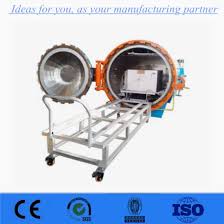
Introduction about Autoclave Operator
An autoclave operator is a skilled professional responsible for operating and maintaining autoclaves, which are specialized devices used in various industries and fields to sterilize equipment, instruments, and materials through the application of high-temperature steam and pressure. Autoclaves are essential tools in settings such as hospitals, laboratories, pharmaceutical manufacturing, and research facilities, as they play a crucial role in ensuring the safety and cleanliness of medical and scientific equipment.
The primary duties of an autoclave operator typically include:
Equipment Operation: Autoclave operators are responsible for properly loading materials or instruments into the autoclave, ensuring that items are arranged to allow for effective sterilization. They must also set and control the appropriate temperature, pressure, and sterilization time for each cycle.
Maintenance: Regular maintenance and cleaning of the autoclave equipment are essential to ensure it operates efficiently and safely. Operators are often tasked with performing routine inspections and addressing minor issues or reporting larger maintenance needs to the appropriate authorities.
Safety and Quality Assurance: Autoclave operators are responsible for maintaining a safe working environment, following safety protocols, and adhering to quality control standards to guarantee the effectiveness of the sterilization process.
Record Keeping: Accurate record-keeping is crucial in this role, as operators are typically required to document each sterilization cycle, including the items sterilized, cycle parameters, and any relevant observations or issues.
Troubleshooting: Autoclave operators should possess the knowledge and skills to troubleshoot common problems with the equipment and make necessary adjustments to ensure that sterilization is effective and reliable.
Compliance: Compliance with regulations and standards governing sterilization procedures, especially in healthcare and pharmaceutical industries, is vital. Autoclave operators must stay informed about industry-specific guidelines and regulations and ensure that their work aligns with these requirements.
How can I apply for admission to Autoclave Operator
To apply for admission to become an autoclave operator, you typically need to follow a set of steps that may vary depending on your location, the institution, or organization offering the training or certification. Here's a general outline of how to apply:
Research Requirements: Start by researching the specific requirements for becoming an autoclave operator in your area or the institution you're interested in. This may include educational prerequisites, age requirements, and any necessary background checks.
Educational Background: In most cases, a high school diploma or equivalent is the minimum educational requirement. Some positions may require post-secondary training or certification in sterilization techniques or related fields.
Training Programs: Look for training programs or courses that offer certification in autoclave operation. These programs are typically offered by technical schools, community colleges, or vocational training centers. You can find these programs online or through local educational institutions.
Admission Application: Once you've identified a suitable training program, follow the institution's admission process. This usually involves filling out an application form, providing your educational background, and paying any necessary fees.
Interview or Assessment: Some training programs may require you to attend an interview or take an assessment test to evaluate your aptitude for the role. Be prepared to discuss your interest in autoclave operation and your commitment to safety and quality.
Background Checks: Depending on the nature of the job or the institution's policies, you might need to undergo background checks, especially if you'll be working in healthcare settings where patient safety is paramount.
Financial Aid: If the program has a tuition fee, explore options for financial aid or scholarships to help cover the cost of training. Many institutions offer financial assistance to eligible candidates.
Complete the Training: Once admitted, you'll need to complete the autoclave operator training program, which may include both theoretical coursework and hands-on practical training.
Certification: In some cases, you may be required to pass a certification exam to officially become a certified autoclave operator. Certification can enhance your job prospects and credibility in the field.
Job Search: After completing your training and obtaining any required certification, you can start searching for autoclave operator job openings in your area. Look for positions in hospitals, laboratories, pharmaceutical companies, or other industries that require sterilization services.
Application for Jobs: Apply for autoclave operator positions by submitting your resume and cover letter to potential employers. Highlight your training, certification, and any relevant experience.
Interviews: Prepare for job interviews by familiarizing yourself with common interview questions and demonstrating your knowledge of autoclave operation and safety procedures.
What is the eligibility for Autoclave Operator
The eligibility requirements for becoming an autoclave operator can vary depending on the specific job, industry, and location. However, there are some common eligibility criteria and qualifications that are typically expected:
Education: A high school diploma or equivalent (such as a GED) is often the minimum educational requirement to become an autoclave operator. Some employers or training programs may require a post-secondary education, such as a technical or vocational certificate in sterilization techniques or a related field.
Age: There is usually no strict age requirement to become an autoclave operator. However, you must be at least 18 years old in most cases to work in healthcare or other regulated industries due to legal and safety considerations.
Background Checks: Depending on the nature of the job and the industry, you may be required to undergo background checks. In healthcare settings, for example, background checks are common to ensure patient safety and compliance with industry regulations.
Physical Fitness: Autoclave operators may need to stand for extended periods, lift heavy equipment or materials, and perform tasks that require physical dexterity and stamina. Good physical health and the ability to meet the physical demands of the job are important.
Training and Certification: Some employers or positions may require formal training and certification as an autoclave operator. Training programs typically cover sterilization techniques, equipment operation, safety protocols, and quality control procedures. Certification can enhance your qualifications and job prospects.
Safety Awareness: Autoclave operators must have a strong commitment to safety and adhere to strict safety protocols. Employers often seek candidates who have a clear understanding of safety measures and guidelines.
Technical Skills: The ability to operate and maintain autoclave equipment is essential. You should be comfortable with using the machinery, setting appropriate parameters, and troubleshooting minor issues.
Attention to Detail: Autoclave operators must be meticulous and detail-oriented to ensure that the sterilization process is effective and that records are accurately maintained.
Communication Skills: Effective communication is important, especially in healthcare settings, where autoclave operators may need to work as part of a healthcare team and interact with medical professionals.
Regulatory Knowledge: Autoclave operators working in healthcare, pharmaceuticals, or other regulated industries should have knowledge of relevant industry regulations and standards.
How long does it takes to complete a Autoclave Operator
The duration to complete training and become a certified autoclave operator can vary depending on the specific training program or course you choose. Typically, autoclave operator training programs can be completed in a relatively short period, ranging from a few weeks to a few months. Here are some factors that can influence the duration of training:
Course Type: The length of the training program often depends on whether it's a basic, introductory course or a more comprehensive program. Basic courses that cover essential autoclave operation and safety procedures may take only a few weeks, while more in-depth programs with additional coursework and hands-on experience may last a few months.
Class Schedule: Training programs may be offered on a full-time or part-time basis. Full-time programs can be completed more quickly, while part-time programs allow you to balance your training with other commitments, but they will take longer to finish.
Educational Institution: The institution providing the training, whether it's a vocational school, community college, or a specialized training center, can influence the duration of the program. Some institutions offer accelerated programs, while others have standard term lengths.
Prerequisites: Some training programs may have prerequisites, such as prior knowledge in a related field or a specific level of education. Meeting these prerequisites may shorten or extend the training duration.
Certification Requirements: If your goal is to obtain a certification as an autoclave operator, the program may include additional study and preparation time for the certification exam.
Hands-On Training: Practical, hands-on training is a crucial part of autoclave operator programs. The time spent on hands-on training and gaining real-world experience can impact the overall duration.
Location: The availability of training programs in your area can also affect how long it takes to complete the training. Access to nearby programs can reduce travel time and the overall duration of the training.
What are potential career opportunities after Autoclave Operator
Becoming an autoclave operator can be a valuable starting point in your career, providing you with essential skills in sterilization and quality control. While it may be a specialized role, there are several potential career opportunities and pathways for advancement in related fields. Some of these opportunities include:
Senior Autoclave Operator: With experience and expertise, you can advance to a senior or lead autoclave operator role. In this position, you may be responsible for training new operators, overseeing sterilization processes, and ensuring compliance with safety and quality standards.
Sterile Processing Technician: Many autoclave operators transition to roles as sterile processing technicians in hospitals and healthcare facilities. These technicians are responsible for cleaning, sterilizing, and distributing medical instruments and equipment.
Biomedical Equipment Technician (BMET): A career as a BMET involves maintaining and repairing medical equipment, including autoclaves. Autoclave operators with a strong technical background may find this career path appealing.
Quality Control Inspector: Quality control inspectors play a crucial role in ensuring that sterilization processes meet industry standards. Autoclave operators with an eye for detail and a commitment to safety may excel in this role.
Infection Control Specialist: Infection control specialists work to prevent the spread of infections in healthcare settings. Knowledge of sterilization processes gained as an autoclave operator can be valuable in this role.
Laboratory Technician: Autoclave operators who have experience working in laboratory settings may explore opportunities as laboratory technicians. They may assist with sample preparation, equipment sterilization, and data collection.
Supervisor or Manager Roles: Experienced autoclave operators can move into supervisory or management positions within sterile processing departments, where they oversee a team of operators and ensure the efficient operation of the sterilization processes.
Quality Assurance or Regulatory Compliance Roles: Autoclave operators with a strong understanding of industry standards and regulations may pursue careers in quality assurance or regulatory compliance, ensuring that sterilization processes meet legal and safety requirements.
Health and Safety Roles: A background in autoclave operation can be beneficial for careers in health and safety, where professionals work to create and implement safety protocols in various industries.
Medical Device Manufacturing: Some individuals transition into roles related to the manufacturing and quality control of medical devices that require sterilization. This can include work in medical device production and quality assurance.
Pharmaceutical Manufacturing: In pharmaceutical manufacturing, knowledge of sterilization techniques can be valuable. You might work in roles related to product manufacturing, quality control, or regulatory compliance.
Consulting: Experienced autoclave operators can become consultants, advising organizations on best practices for sterilization, safety, and quality control.
Syllabus of Autoclave Operator
The syllabus for autoclave operator training can vary depending on the specific program or institution providing the training. However, I can provide a general outline of topics that are typically covered during autoclave operator training, divided into semester-wise or module-wise structure:
Semester 1 (or Module 1):
Introduction to Sterilization: Understanding the importance of sterilization in various industries.
Autoclave Basics: Introduction to autoclaves, types, and components.
Safety Procedures: Basic safety protocols, personal protective equipment (PPE), and safety measures when working with autoclaves.
Sterilization Methods: Overview of different sterilization methods and their applications.
Infection Control: Principles of infection control and prevention.
Legal and Regulatory Aspects: Understanding industry-specific regulations and standards.
Semester 2 (or Module 2):
Autoclave Operation: In-depth training on operating autoclaves, including loading, setting parameters, and monitoring.
Sterilization Cycles: Different types of sterilization cycles and their applications.
Quality Control: Techniques for ensuring the effectiveness of the sterilization process.
Maintenance and Troubleshooting: Basic maintenance of autoclaves and troubleshooting common issues.
Record Keeping: The importance of accurate record-keeping for each sterilization cycle.
Hands-On Training: Practical training on autoclave operation and maintenance.
Semester 3 (or Module 3):
Advanced Autoclave Operation: Fine-tuning autoclave operation for various materials and instruments.
Specialized Autoclave Equipment: Training on specific autoclave models and equipment used in different industries.
Biological Indicators: Understanding and using biological indicators to validate sterilization.
Sterilization Validation: Techniques for validating the sterilization process.
Emergency Procedures: How to respond to emergencies or autoclave failures.
Environmental Impact and Waste Management: Considerations for the environmental impact of autoclave processes and proper waste disposal.
Semester 4 (or Module 4):
Infection Control in Healthcare: In-depth study of infection control in healthcare settings.
Quality Assurance and Regulatory Compliance: Compliance with industry-specific regulations and quality assurance.
Advanced Safety Protocols: Advanced safety measures for working with hazardous materials.
Calibration and Instrumentation: Calibration of autoclave instruments and monitoring equipment.
Case Studies and Industry-Specific Applications: Real-world case studies and applications in different industries.
Certification Preparation: Preparing for certification exams if applicable.
Internship opportunities after completing Autoclave Operator
After completing training as an autoclave operator, there are several internship opportunities available that can help you gain practical experience and enhance your skills. These internships can be valuable for your career development, and they often serve as a bridge to full-time employment in the field. Here are some internship opportunities you can consider:
Hospital Sterile Processing Internship: Many hospitals and healthcare facilities offer sterile processing internships. Interns in this role assist in cleaning, sterilizing, and distributing medical instruments and equipment. This experience can be particularly valuable if you're interested in a career in healthcare.
Laboratory Assistant Internship: If you have an interest in working in research or clinical laboratories, you can seek internships as a laboratory assistant. In this role, you may assist with sample preparation, equipment sterilization, and data collection.
Pharmaceutical Manufacturing Internship: Pharmaceutical companies often offer internships in their manufacturing departments. These internships provide exposure to pharmaceutical production processes and the sterilization of equipment and materials.
Medical Device Manufacturing Internship: Medical device manufacturers may provide internships that involve sterilization processes for medical equipment. This can be a great opportunity to learn about quality control and regulatory compliance.
Biomedical Equipment Technician (BMET) Internship: If you're interested in the maintenance and repair of medical equipment, consider interning with a BMET team. This internship can give you insights into the operation and maintenance of autoclaves and other medical devices.
Infection Control Internship: Infection control internships are available in healthcare settings, where you can work with professionals responsible for preventing and managing infections. This internship allows you to learn more about the broader aspects of infection control.
Quality Control Internship: Interning in a quality control department, whether in healthcare or other industries, can provide you with a deeper understanding of quality assurance processes, inspections, and compliance.
Regulatory Affairs Internship: If you're interested in regulatory compliance and ensuring that sterilization processes meet industry standards and regulations, an internship in regulatory affairs can be a valuable choice.
Environmental Health and Safety (EHS) Internship: EHS internships focus on ensuring workplace safety, environmental compliance, and waste management. These internships may be available in a variety of industries, including healthcare and manufacturing.
Consulting Internship: Consulting firms that specialize in sterilization and quality control may offer internships. This experience can provide exposure to diverse clients and projects.
Scholarship and grants for Autoclave Operator
Scholarships and grants for autoclave operators may be less common compared to some other fields, but there are still opportunities available, especially if you're pursuing related fields such as healthcare, sterilization, or medical technology. Here are some potential sources of financial aid:
Industry-Specific Organizations: Some professional associations and organizations related to healthcare, sterilization, or medical technology may offer scholarships or grants. Examples include the Association for the Advancement of Medical Instrumentation (AAMI) and the International Association of Healthcare Central Service Materiel Management (IAHCSMM).
Employer-Sponsored Programs: If you're already employed or planning to work for an organization that values autoclave operators, inquire about any scholarship or tuition reimbursement programs they may offer for further education or certification in the field.
Community and Technical Colleges: Many community and technical colleges provide financial aid options for students pursuing training or certification programs related to sterilization and autoclave operation.
Government Aid: Depending on your location, you may be eligible for government-funded scholarships, grants, or financial aid programs. These can vary by region, so check with your local or national education authorities.
Healthcare Scholarships: If you're interested in working in healthcare settings, explore healthcare scholarships or grants that may support students pursuing careers in sterile processing or medical equipment maintenance.
Pharmaceutical and Medical Device Companies: Companies in the pharmaceutical and medical device industries sometimes offer scholarships or educational support to individuals interested in roles related to sterilization and quality control.
Foundation Scholarships: Some charitable foundations and organizations provide scholarships to students pursuing careers in healthcare, medical technology, or related fields.
Community Foundations: Local community foundations may have scholarship opportunities for students in your area pursuing vocational or technical programs, including autoclave operator training.
Online Scholarship Search Engines: Utilize online scholarship search engines and databases to identify scholarships and grants that align with your field of study and career goals.
Colleges and Vocational Schools: Many educational institutions offer scholarships or financial aid to students enrolled in their training or certification programs, including autoclave operator courses.
Conclusion
In conclusion, the autoclave operator's job is a fundamental part of various industries, contributing to the safety, quality, and reliability of products and research. Their diligence, adherence to protocols, and commitment to safety are essential for the effective operation of autoclaves and the success of sterilization processes.
FAQ,s
What is an autoclave operator?
An autoclave operator is a trained professional responsible for operating and maintaining autoclave equipment, which is used for sterilizing equipment, instruments, and materials through high-temperature steam and pressure.
What are the key responsibilities of an autoclave operator?
Autoclave operators are responsible for loading and unloading materials, setting and monitoring sterilization parameters, ensuring safety and quality control, and maintaining autoclave equipment.
What industries typically employ autoclave operators?
Autoclave operators work in a range of industries, including healthcare (hospitals and clinics), laboratories, pharmaceutical manufacturing, research facilities, and food processing.
What educational requirements are needed to become an autoclave operator?
The minimum requirement is typically a high school diploma or equivalent, though some positions may require additional training or certification in sterilization techniques.
Are there certification programs for autoclave operators?
Yes, there are certification programs available for autoclave operators. These certifications can enhance your qualifications and job prospects in the field.
What safety precautions do autoclave operators need to follow?
Autoclave operators must adhere to strict safety protocols, including wearing appropriate personal protective equipment (PPE), ensuring equipment is properly maintained, and understanding emergency procedures.
How can I find job opportunities as an autoclave operator?
Job opportunities can be found in job search websites, healthcare institutions, laboratories, pharmaceutical companies, and through networking in your field.
What is the typical salary range for autoclave operators?
The salary of an autoclave operator can vary depending on location, experience, and industry. In the United States, the median annual wage for medical equipment preparers (which includes autoclave operators) was around $37,000 in 2020.
What skills are important for autoclave operators?
Important skills include attention to detail, technical proficiency, knowledge of safety protocols, communication skills, and the ability to troubleshoot equipment issues.
Can autoclave operators advance in their careers?
Yes, autoclave operators can advance by gaining experience and may move into supervisory roles, specialize in quality control or maintenance, or transition to related fields like biomedical equipment technology.
Are there internships available for aspiring autoclave operators?
Yes, some hospitals and healthcare facilities offer sterile processing internships, which can provide hands-on experience for individuals interested in becoming autoclave operators.
What are the prospects for autoclave operators in the job market?
Job prospects for autoclave operators are generally stable, especially in healthcare and pharmaceutical industries where sterilization is crucial.
How Shiksha Hub helps you in
-
 Student Counsellors
 -
 Career Counseling
 -
 Research
 -
 24/7 Support
 -
 Scholarships
 -
 Community