Posted by Admin on 17-08-2023 in Shiksha hub
Auto AOI Machine Operator, Introduction, Admission, Registration, Eligibility, Duration, Fees, Syllabus 2024
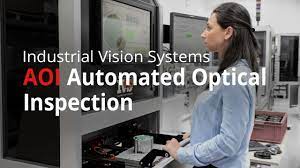
Introduction about Auto AOI Machine Operator
In the fast-paced world of electronics manufacturing, quality control and precision are paramount. Auto AOI (Automated Optical Inspection) machines play a vital role in ensuring that electronic components and circuit boards are free from defects. Behind the efficient functioning of these machines, there's a skilled professional known as an Auto AOI Machine Operator.
The Importance of Auto AOI Machines in Electronics Manufacturing
Auto AOI machines are the watchdogs of electronics manufacturing. They use advanced optical systems to examine printed circuit boards (PCBs) for defects, ensuring that the final product meets the highest quality standards. These machines can detect issues like soldering defects, missing components, or incorrect placements, which are often challenging to spot with the naked eye.
Key Responsibilities of an Auto AOI Machine Operator
An Auto AOI Machine Operator plays a pivotal role in maintaining the integrity of the production process. Their responsibilities include setting up and calibrating the machines, monitoring their performance, and interpreting inspection results. When defects are detected, the operator must take appropriate corrective actions.
Skills and Qualities Required for the Job
To excel in this role, an individual should possess a keen eye for detail, technical skills, and the ability to work effectively in a fast-paced environment. Moreover, problem-solving skills, patience, and precision are essential attributes.
The Working Environment of an Auto AOI Machine Operator
Auto AOI Machine Operators usually work in manufacturing facilities. The environment can be noisy and require prolonged periods of standing, so physical stamina is important. Additionally, they often work in shifts, contributing to continuous quality control.
Operating Auto AOI Machines: Step by Step
The operation of Auto AOI machines involves loading PCBs into the machine, initiating the inspection process, and reviewing the results. These machines use high-resolution cameras and software to analyze the PCB's surface, pinpointing any irregularities.
Quality Control and Inspection Procedures
Auto AOI machines ensure that every PCB meets the quality standards set by the manufacturer. This involves examining solder joints, component alignment, and overall integrity. Any deviations from the defined criteria are flagged for further inspection or correction.
Troubleshooting and Maintenance
Operators are responsible for the routine maintenance of the machines. This includes cleaning lenses, calibrating systems, and troubleshooting technical issues. Regular maintenance is crucial to keep the machines functioning optimally.
Safety Measures and Best Practices
Safety is a top priority in the manufacturing industry. Auto AOI Machine Operators are required to follow safety protocols to avoid accidents and injuries. This includes wearing protective gear and adhering to safety guidelines.
Challenges and Common Mistakes
The role of an Auto AOI Machine Operator comes with its set of challenges, such as dealing with intricate circuit designs and identifying defects in complex assemblies. Common mistakes can include misinterpreting inspection results or overlooking subtle defects.
Career Opportunities and Advancement
As experienced operators gain expertise, they may have opportunities to advance into supervisory roles or specialize in specific types of inspections, such as automotive or aerospace electronics.
The Future of Auto AOI Machine Operators
With the electronics manufacturing industry continuously evolving, the demand for skilled Auto AOI Machine Operators remains strong. As technology advances, so too do the capabilities and requirements of these machines.
How to Become an Auto AOI Machine Operator
To embark on a career as an Auto AOI Machine Operator, one should consider relevant technical training or certification programs. These programs provide the knowledge and skills necessary to operate and maintain these sophisticated machines.
Salaries and Job Outlook
The salary of an Auto AOI Machine Operator varies depending on experience and location. However, with the increasing reliance on electronics in various industries, job prospects for qualified operators are promising.
How can I apply for admission to Auto AOI Machine Operator
To apply for admission as an Auto AOI Machine Operator, you typically need to follow these steps:
Research Requirements: Start by researching the specific requirements for admission to Auto AOI Machine Operator programs in your area. Different institutions or training centers may have varying prerequisites.
High School Diploma or Equivalent: Most programs require a high school diploma or its equivalent. If you haven't completed high school, consider obtaining a GED (General Educational Development) certificate.
Technical Training Programs: Look for technical training programs that specialize in Auto AOI machine operation. These programs are often offered by community colleges, vocational schools, or online platforms.
Enroll in a Program: Once you find a suitable program, apply for admission. You may need to complete an application form and pay any associated fees. Some programs might have specific entrance exams or interviews.
Financial Aid: If you require financial assistance, explore options such as scholarships, grants, or student loans that can help cover the cost of your training.
Complete the Program: Successfully complete the Auto AOI Machine Operator training program. This involves classroom instruction, hands-on experience, and may lead to a certificate or diploma upon graduation.
Gain Practical Experience: After completing the training, seek opportunities for practical experience. Some programs may include internships or co-op opportunities, while others may require you to find your own placement.
Apply for Jobs: Start your job search by creating a well-crafted resume that highlights your training and any relevant experience. Look for job openings in electronics manufacturing companies, and apply to positions for Auto AOI Machine Operators.
Interview and Assessments: Prepare for interviews and assessments that potential employers may require. Be ready to demonstrate your knowledge and skills related to machine operation and quality control.
Certifications (Optional): Consider obtaining industry-specific certifications, such as those offered by organizations like the IPC (Association Connecting Electronics Industries). These certifications can enhance your qualifications.
Continuous Learning: Stay updated with the latest advancements in the field by attending workshops, seminars, and training programs. Continuous learning is crucial for staying competitive in the industry.
Network: Build a professional network within the electronics manufacturing industry. Attend industry events, join relevant online forums or social media groups, and connect with professionals in your field.
What is the eligibility for Auto AOI Machine Operator
The eligibility requirements for becoming an Auto AOI (Automated Optical Inspection) Machine Operator may vary depending on the specific training program, company, or region. However, here are some general eligibility guidelines:
Educational Requirements:
High School Diploma or Equivalent: In most cases, you'll need a high school diploma or a GED (General Educational Development) certificate to be eligible for training programs or job positions as an Auto AOI Machine Operator.
Age and Legal Status:
Age Requirement: Some training programs and employers may have a minimum age requirement, often 18 years old or older, to be eligible for this role.
Legal Work Status: You should have the legal right to work in your respective country or region.
Physical Requirements:
Physical Stamina: The job may require you to stand for extended periods, lift and move equipment, and perform tasks in a manufacturing environment. Good physical stamina and health are important.
Technical Training Programs:
Enrollment in a Training Program: To gain the necessary skills and knowledge, you'll typically need to enroll in a technical training program specific to Auto AOI machine operation. These programs often have their own admission requirements, which may include an application process and fees.
Certifications (Optional):
Some employers or programs may prefer or require industry-specific certifications related to electronics manufacturing, such as those offered by organizations like the IPC (Association Connecting Electronics Industries).
Prerequisites (Varies):
Check with the specific program or employer for any additional prerequisites. These could include aptitude tests, interviews, or background checks.
Desirable Qualities:
Attention to Detail: Being detail-oriented is crucial in this role, as Auto AOI Machine Operators are responsible for identifying and rectifying defects in electronic components.
Technical Aptitude: An interest in and aptitude for working with electronic equipment and machinery is highly beneficial.
Problem-Solving Skills: The ability to troubleshoot and find solutions to technical issues is an asset.
Safety Awareness: Understanding and adhering to safety protocols is essential for working in a manufacturing environment.
Communication Skills: Clear communication and the ability to work as part of a team are important for effective job performance.
How long does it takes to complete a Auto AOI Machine Operator
The duration to complete training as an Auto AOI (Automated Optical Inspection) Machine Operator can vary depending on the specific training program or institution you choose. Typically, these programs are designed to provide you with the necessary knowledge and skills to operate Auto AOI machines effectively. Here are some general timeframes:
Certificate Programs: Many technical training centers and community colleges offer certificate programs for Auto AOI Machine Operators. These programs can often be completed in a relatively short period, such as a few months. The duration may vary, but it's generally shorter than more comprehensive training.
Diploma Programs: Some institutions offer diploma programs that are more in-depth than certificate programs. These programs may take around six months to a year to complete, depending on the curriculum and the institution's schedule.
Associate Degree Programs: In some cases, you can pursue an associate degree in electronics or a related field, which includes training for Auto AOI machine operation. These programs typically take two years to complete, as they offer a more comprehensive education in electronics and manufacturing processes.
On-the-Job Training: Some individuals may receive on-the-job training from their employers, which can vary in duration. The length of on-the-job training can depend on the complexity of the machinery and the company's training protocols. This approach allows you to earn while you learn.
What are potential career opportunities after AUTO AOI MACHINE OPERATOR
Becoming an Auto AOI (Automated Optical Inspection) Machine Operator can be a valuable entry point into the electronics manufacturing industry. While this role is essential for quality control in manufacturing, it can also serve as a stepping stone to various career opportunities. Here are some potential career paths and opportunities you can explore after gaining experience as an Auto AOI Machine Operator:
Senior Auto AOI Machine Operator: With experience, you can advance within your role to become a senior operator. Senior operators often have additional responsibilities, such as training new hires, managing quality control processes, and overseeing the operation of multiple machines.
Quality Control Supervisor: Quality control supervisors are responsible for managing the entire quality control process in a manufacturing facility. They oversee Auto AOI machine operators and other quality control personnel, ensuring products meet specified standards.
Process Engineer: Process engineers work on optimizing manufacturing processes. They use their knowledge of equipment and quality control to identify areas for improvement, increase efficiency, and reduce defects in production.
Electronics Technician: As an electronics technician, you can work on repairing and maintaining electronic equipment and machinery. This role is essential in ensuring the proper functioning of manufacturing equipment, including Auto AOI machines.
Manufacturing Technician: Manufacturing technicians assist in the production process, often operating various machinery beyond just AOI machines. This role allows for a broad understanding of manufacturing operations.
Quality Assurance Analyst: Quality assurance analysts are responsible for developing and implementing quality control procedures, conducting inspections, and ensuring products meet industry standards. They may work in various industries beyond electronics manufacturing.
Production Supervisor: Production supervisors oversee the entire manufacturing process. This role involves managing a team of operators and ensuring production quotas are met while maintaining quality standards.
Electronics Manufacturing Engineer: Electronics manufacturing engineers design and develop processes for electronic product manufacturing. They work on improving production efficiency and ensuring the quality of products.
Maintenance Supervisor: Maintenance supervisors are responsible for the upkeep and repair of manufacturing equipment, including Auto AOI machines. They manage a team of maintenance technicians to ensure equipment operates efficiently.
Quality Control Manager: Quality control managers have a higher level of responsibility in managing the quality control department within a manufacturing facility. They set quality standards, develop quality control strategies, and ensure compliance with industry regulations.
Manufacturing Operations Manager: Manufacturing operations managers oversee all aspects of the production process, including equipment, personnel, and workflow. They are responsible for ensuring that manufacturing operations run smoothly and efficiently.
Specialized Inspections: You can specialize in inspecting specific types of electronic components, such as automotive electronics, aerospace electronics, or medical devices.
Consulting or Training: Use your expertise to offer consulting services to manufacturing companies or provide training to new Auto AOI Machine Operators.
Further Education: Consider pursuing further education, such as a bachelor's or master's degree in engineering or related fields, to open up more advanced career opportunities in electronics and manufacturing.
Syllabus of Auto AOI Machine Operator
The syllabus for an Auto AOI (Automated Optical Inspection) Machine Operator program can vary depending on the institution or training center offering the course. However, here's a general outline of what you might expect to study in a typical semester-wise syllabus for a program that spans multiple semesters:
Semester 1: Introduction to Electronics and Basic Machine Operation
Introduction to Electronics Manufacturing
Safety Procedures and Protocols
Introduction to Automated Optical Inspection (AOI) Systems
Machine Components and Functions
Basics of Soldering and PCB (Printed Circuit Board) Assembly
Basic Machine Setup and Calibration
Inspection Process Overview
Semester 2: Advanced Machine Operation and Quality Control
In-Depth Study of AOI Machine Software
Advanced Calibration Techniques
Advanced Machine Operation Techniques
Defect Detection and Classification
Quality Control Principles and Methods
Statistical Process Control (SPC)
Hands-On Training with Real PCBs
Troubleshooting and Maintenance
Semester 3: Electronics and Component Knowledge
Understanding Electronic Components (Resistors, Capacitors, ICs, etc.)
PCB Layout and Design
Reading Schematics and Layouts
Detecting Common Defects in Electronic Components
Advanced Quality Control Techniques
Safety Protocols for Handling Electronics
Practical Component Identification and Handling
Semester 4: Industry Practices and Specializations
Best Practices in Electronics Manufacturing
Specialized AOI Inspections (e.g., automotive, aerospace, medical)
Quality Standards and Compliance (e.g., IPC Standards)
Advanced Troubleshooting Techniques
Introduction to Electronics Testing and Measurements
Workplace Communication and Teamwork
Capstone Project or Internship
Internship opportunities after completing Auto AOI Machine Operator
After completing a training program as an Auto AOI (Automated Optical Inspection) Machine Operator, there are several internship opportunities that can help you gain valuable hands-on experience and enhance your career prospects. Internships provide an opportunity to apply your skills and knowledge in a real-world manufacturing environment. Here are some internship opportunities you can explore:
Manufacturing Companies: Many manufacturing companies, especially those involved in electronics production, offer internships for individuals interested in quality control and machine operation. These internships allow you to work with Auto AOI machines, perform inspections, and contribute to the manufacturing process.
Electronics Manufacturing Plants: Interning in an electronics manufacturing plant provides a comprehensive understanding of the manufacturing industry. You'll have the opportunity to work with various types of equipment and gain insight into quality control practices.
Quality Control Internships: Specialized quality control companies or departments within larger organizations often offer internships focused on quality assurance and inspection. These internships can provide in-depth training in Auto AOI machine operation.
Equipment Manufacturers: Companies that design and manufacture AOI machines may offer internships for those interested in the technical aspects of these machines. These internships can involve machine maintenance, software development, and troubleshooting.
Automotive or Aerospace Manufacturers: If you have a specific interest in automotive or aerospace electronics, consider interning with companies in these industries. They often have strict quality control requirements and may offer internships related to Auto AOI inspections.
Medical Device Manufacturers: Medical device manufacturing companies maintain high-quality standards. Interning in this industry can provide a unique perspective on quality control and precision manufacturing.
Research and Development: Some organizations have research and development departments dedicated to improving manufacturing processes. Interning in R&D can expose you to cutting-edge technology and innovation in quality control.
Supplier or Contract Manufacturers: Companies that supply electronic components to larger manufacturers often have quality control departments. Interning with suppliers can provide insights into component-level inspections.
Government Agencies: In some regions, government agencies oversee manufacturing standards and may offer internship programs related to quality control and compliance.
Independent Quality Control Consultants: Quality control consultants or firms may hire interns to assist with various projects, including Auto AOI inspections, audits, and process improvements.
Scholarship and grants for Auto AOI Machine Operator
Scholarships and grants for Auto AOI (Automated Optical Inspection) Machine Operators may be available through various sources, including educational institutions, industry associations, and government programs. These financial aid opportunities can help offset the costs of training and education in this field. Here are some potential options to consider:
Educational Institution Scholarships: Many technical training centers, community colleges, and vocational schools offer scholarships to students pursuing programs related to electronics manufacturing and quality control. These scholarships can be based on academic merit, financial need, or other criteria.
Industry Associations: Some industry associations related to electronics manufacturing and quality control may offer scholarships or grants. For example, organizations like IPC (Association Connecting Electronics Industries) have scholarship programs that support students in electronics-related fields.
Employer Sponsorship: If you are already employed in a manufacturing company and wish to train as an Auto AOI Machine Operator, your employer may offer financial assistance or sponsorship for your education. Some companies invest in their employees' training and education.
Government Grants and Programs: Depending on your location, there may be government-funded programs that provide financial aid for vocational or technical training. These programs are designed to support individuals pursuing careers in industries with high demand for skilled workers.
Private Foundations: Some private foundations and organizations offer scholarships to students pursuing careers in manufacturing and quality control. Research foundations related to your field of interest and inquire about any available scholarships.
Community and Nonprofit Organizations: Local community groups and nonprofit organizations may have scholarship programs designed to support individuals in their communities. These scholarships can vary widely in terms of eligibility criteria.
Employer-Based Training Programs: Some employers offer training programs for Auto AOI Machine Operators and may cover the costs of your training. These programs often come with a commitment to work for the sponsoring employer for a specified period after completing your training.
Apprenticeship Programs: In some regions, you can pursue an apprenticeship as an Auto AOI Machine Operator. These programs combine on-the-job training with classroom instruction and may come with financial incentives.
Conclusion
In conclusion, Auto AOI Machine Operators are indispensable in the electronics manufacturing industry. They play a pivotal role in ensuring that electronic components meet high-quality standards and function flawlessly. As technology continues to advance, the profession of Auto AOI Machine Operators will evolve, requiring adaptability and a commitment to maintaining precision and quality.
FAQ,s
What is the role of an Auto AOI Machine Operator?
Auto AOI Machine Operators are responsible for operating and maintaining automated optical inspection machines used in electronics manufacturing. They ensure that electronic components and printed circuit boards meet quality standards by detecting defects and deviations.
What are the key responsibilities of an Auto AOI Machine Operator?
Responsibilities include setting up and calibrating the machines, monitoring inspection processes, interpreting results, and taking corrective actions when defects are detected. They also perform routine maintenance on the machines.
What skills are required to become a successful Auto AOI Machine Operator?
Essential skills include attention to detail, technical aptitude, problem-solving abilities, an understanding of electronics components, and the ability to work in a fast-paced manufacturing environment.
What is the typical work environment for Auto AOI Machine Operators?
They work in manufacturing facilities where electronics components are produced. The environment can be noisy, and the job often requires standing for extended periods.
How long does it take to become an Auto AOI Machine Operator?
The duration of training programs varies but typically ranges from a few months to a year. Some individuals may also receive on-the-job training, which can vary in duration.
Are there any certifications for Auto AOI Machine Operators?
While not always required, some operators may obtain certifications related to electronics manufacturing or quality control, such as those offered by industry associations like the IPC.
What are the potential career opportunities for Auto AOI Machine Operators?
Career opportunities may include becoming a senior operator, quality control supervisor, process engineer, electronics technician, manufacturing technician, or pursuing further education in related fields.
How do I apply for admission to become an Auto AOI Machine Operator?
To become an Auto AOI Machine Operator, you typically need to enroll in a training program at a technical school or community college. Application processes may vary, but a high school diploma or equivalent is usually required.
What are the common challenges faced by Auto AOI Machine Operators?
Common challenges include dealing with complex circuit designs, identifying subtle defects, and adhering to safety protocols in a manufacturing environment.
What is the future outlook for this profession?
The demand for skilled Auto AOI Machine Operators remains strong as technology in the electronics industry continues to advance. Job prospects are promising.
How Shiksha Hub helps you in
-
 Student Counsellors
 -
 Career Counseling
 -
 Research
 -
 24/7 Support
 -
 Scholarships
 -
 Community