Posted by Admin on 02-08-2023 in Shiksha hub
Diploma in Ayurveda Massage & Panchakarma Introduction, Admission, Registration, Eligibility, Duration, Fees, Syllabus 2024
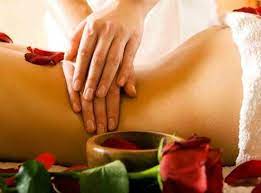
Introduction about Diploma in Ayurveda Massage & Panchakarma
The Diploma in Ayurveda Massage & Panchakarma is a specialized program that offers in-depth training in the ancient healing practices of Ayurveda. Rooted in traditional Indian medicine, Ayurveda emphasizes the holistic approach to health and wellness, focusing on the balance of mind, body, and spirit. This diploma program is designed to equip individuals with the knowledge and practical skills necessary to provide therapeutic Ayurvedic massage and administer Panchakarma treatments, contributing to overall well-being.
Key Components of the Program:
Ayurvedic Principles:
Students delve into the foundational principles of Ayurveda, understanding the concept of doshas (Vata, Pitta, Kapha), the importance of balance, and the role of individual constitution (Prakriti).
Massage Techniques:
The program covers a variety of Ayurvedic massage techniques, including Abhyanga (full-body oil massage), Shirodhara (oil pouring on the forehead), and Marma point therapy.
Panchakarma Therapies:
Panchakarma, a detoxification and rejuvenation process in Ayurveda, is a significant focus. Students learn about and practice Panchakarma therapies such as Vamana (therapeutic vomiting), Virechana (purgation), Basti (medicated enema), Nasya (nasal administration), and Raktamokshana (bloodletting).
Herbal Medicine:
Understanding the use of Ayurvedic herbs and formulations to enhance therapeutic effects and support the body's natural healing processes.
Anatomy and Physiology:
A foundational understanding of the human body's anatomy and physiology, with a specific emphasis on how Ayurveda views the functioning of bodily systems.
Client Assessment:
Training in assessing the individual constitution, identifying imbalances, and tailoring Ayurvedic treatments based on the unique needs of each client.
Hands-On Practice:
Practical training in performing Ayurvedic massages and administering Panchakarma therapies under the guidance of experienced practitioners.
Career Opportunities:
Graduates of the Diploma in Ayurveda Massage & Panchakarma program may pursue various career paths, including:
Ayurvedic Massage Therapist
Panchakarma Therapist
Wellness Spa Practitioner
Ayurvedic Health Consultant
Ayurvedic Wellness Center Staff
How can I apply for admission to Diploma in Ayurveda Massage & Panchakarma Program
Research Programs:
Begin by researching institutions that offer Diploma in Ayurveda Massage & Panchakarma programs. Look for accredited and reputable schools or Ayurvedic colleges known for their quality education in Ayurveda.
Review Admission Requirements:
Check the admission requirements specified by the institution offering the program. Requirements may include educational qualifications, language proficiency, and any additional prerequisites.
Prepare Required Documents:
Gather the necessary documents for your application. Common documents may include:
Academic transcripts and certificates.
Letters of recommendation.
Resume or curriculum vitae (CV).
Statement of purpose or personal statement.
Proof of language proficiency (if applicable).
Online Application:
Visit the official website of the institution offering the Diploma in Ayurveda Massage & Panchakarma. Look for the admissions or application section and complete the online application form. Provide accurate and complete information.
Application Fee:
Be prepared to pay any application fees that may be required. Application fees vary by institution and are often non-refundable.
Submit Application:
Submit your completed application form along with all required documents by the specified deadline. Ensure that you provide accurate and up-to-date information.
Letters of Recommendation:
If the application requires letters of recommendation, request them from individuals who can speak to your academic or professional qualifications and suitability for the program.
Statement of Purpose:
Write a compelling statement of purpose explaining why you want to pursue a Diploma in Ayurveda Massage & Panchakarma. Discuss your interest in Ayurveda, relevant experiences, and your career goals.
Interviews or Entrance Exams (if applicable):
Some institutions may require interviews or entrance exams as part of the admission process. Prepare for these assessments if they are a requirement.
Wait for Admission Decision:
After submitting your application, patiently wait for the institution to review your materials. Admission decisions may take some time. Some institutions may provide updates on your application status.
Acceptance and Enrollment:
If you receive an offer of admission, carefully review the acceptance letter and any additional instructions. Follow the steps outlined to secure your spot in the program, which may include paying a deposit and completing enrollment forms.
Financial Aid and Scholarships:
Explore available financial aid options and scholarships. Some institutions offer assistance to qualified students, and there may be external scholarships or grants that you can apply for.
What is the eligibility for Diploma in Ayurveda Massage & Panchakarma
Educational Qualifications:
Candidates are typically required to have completed their secondary education or an equivalent qualification (such as a high school diploma or GED).
Prior Knowledge of Ayurveda (Optional):
Some programs may prefer or require candidates to have a basic understanding of Ayurveda principles or prior coursework in related fields. However, this is not always mandatory, and introductory courses may be provided as part of the program.
Language Proficiency (if applicable):
If the program is offered in a language other than your native language, there may be language proficiency requirements. This can often be demonstrated through standardized tests or language proficiency certificates.
Interview or Entrance Exam (if applicable):
Some institutions may conduct interviews or require candidates to take entrance exams to assess their interest in Ayurveda and their readiness for the program.
Age Requirements:
Certain programs may have age restrictions or preferences. It's important to check if there are any age-related criteria for admission.
Health and Physical Fitness:
Due to the hands-on nature of Ayurveda massage and Panchakarma therapies, some programs may have health and physical fitness requirements. Candidates may need to undergo a medical examination to ensure they can participate in practical training.
Interest and Commitment:
Candidates should demonstrate a genuine interest in Ayurveda, wellness, and holistic healing. A commitment to learning and practicing Ayurvedic principles is often considered a valuable quality.
Personal Statement or Letter of Intent:
Some institutions may require candidates to submit a personal statement or letter of intent. This document allows candidates to express their motivation for pursuing the diploma and their future goals in the field of Ayurveda.
How long does it takes to complete a Diploma in Ayurveda Massage & Panchakarma program
The duration of a Diploma in Ayurveda Massage & Panchakarma program can vary among institutions, and it is typically designed to provide a comprehensive understanding of Ayurvedic principles, massage techniques, and Panchakarma therapies. On average, these diploma programs often range from 6 months to 1 year in duration.
Here's a general breakdown:
Intensive Programs (6-8 months):
Some institutions offer accelerated or intensive diploma programs that cover the essential aspects of Ayurveda massage and Panchakarma within a shorter timeframe. These programs are designed for individuals seeking a more concentrated study experience.
Standard Programs (1 year):
Many Diploma in Ayurveda Massage & Panchakarma programs are structured as one-year courses. These programs provide a balanced curriculum with a combination of theoretical knowledge and practical training, allowing students to delve deeper into the subject matter.
Part-Time or Evening Programs:
In some cases, institutions may offer part-time or evening programs to accommodate individuals who are working or have other commitments. The duration of these programs may extend beyond the standard one-year timeframe.
What are potential career opportunities after Diploma in Ayurveda Massage & Panchakarma
Ayurveda Massage Therapist:
Provide therapeutic Ayurvedic massages to clients, incorporating traditional massage techniques and herbal oils based on Ayurvedic principles.
Panchakarma Therapist:
Specialize in administering Panchakarma therapies, including detoxification and rejuvenation treatments such as Vamana, Virechana, Basti, Nasya, and Raktamokshana.
Wellness Spa Practitioner:
Work in wellness spas offering Ayurvedic treatments, massages, and holistic wellness packages to clients seeking relaxation and rejuvenation.
Ayurvedic Health Consultant:
Offer personalized Ayurvedic consultations to clients, assessing their dosha imbalances and providing lifestyle and dietary recommendations for improved well-being.
Health and Wellness Resorts:
Join health resorts or wellness retreats that integrate Ayurvedic therapies, providing services to guests seeking holistic health experiences.
Ayurvedic Product Sales:
Work for companies that manufacture or sell Ayurvedic products, including herbal oils, massage tools, and wellness supplements.
Ayurvedic Spa Manager:
Oversee the operations of an Ayurvedic spa, managing staff, ensuring quality services, and maintaining a nurturing and authentic Ayurvedic environment.
Holistic Health Centers:
Collaborate with holistic health centers or integrative medicine clinics to provide Ayurvedic treatments as part of a comprehensive wellness approach.
Educator and Trainer:
Become an educator or trainer in Ayurveda, teaching massage techniques, Panchakarma therapies, and Ayurvedic principles to aspiring practitioners.
Entrepreneurship:
Start your own Ayurvedic wellness practice, spa, or consultancy, offering a range of services and products to clients interested in Ayurveda.
Ayurvedic Beauty and Skincare:
Specialize in Ayurvedic beauty therapies and skincare, providing natural and holistic approaches to enhance skin health.
Retreat Facilitator:
Organize and lead Ayurvedic wellness retreats, combining massage, Panchakarma, yoga, and dietary practices for participants seeking holistic rejuvenation.
Syllabus of Diploma in Ayurveda Massage & Panchakarma
Semester 1:
Introduction to Ayurveda:
Fundamental principles of Ayurveda, including doshas (Vata, Pitta, Kapha), tridosha theory, and the concept of Prakriti (individual constitution).
Basic Anatomy and Physiology:
Overview of human anatomy and physiology, with a focus on Ayurvedic perspectives on bodily functions and systems.
Massage Techniques - Part I:
Introduction to basic Ayurvedic massage techniques, including Abhyanga (full-body oil massage) and Marma point therapy.
Ayurvedic Wellness:
Understanding the principles of Ayurvedic wellness, lifestyle recommendations, and dietary guidelines.
Introduction to Panchakarma:
Overview of Panchakarma therapies, their significance, and basic principles behind detoxification and rejuvenation.
Semester 2:
Advanced Massage Techniques - Part II:
In-depth study of advanced Ayurvedic massage techniques, including specialized therapies such as Shirodhara (oil pouring on the forehead) and Udvartana (herbal powder massage).
Panchakarma Therapies - Part I:
Detailed exploration of specific Panchakarma therapies, such as Vamana (therapeutic vomiting) and Virechana (purgation).
Herbal Medicine in Ayurveda:
Understanding the use of Ayurvedic herbs and formulations in massage oils, therapeutic preparations, and wellness practices.
Client Assessment:
Training in assessing the individual constitution, identifying dosha imbalances, and developing personalized wellness plans.
Practical Training - I:
Hands-on practice in Ayurvedic massage techniques and basic Panchakarma therapies under supervision.
Semester 3:
Advanced Panchakarma Therapies - Part II:
Continued study of advanced Panchakarma therapies, including Basti (medicated enema), Nasya (nasal administration), and Raktamokshana (bloodletting).
Ayurvedic Beauty and Skincare:
Introduction to Ayurvedic approaches to beauty therapies and skincare, including herbal formulations and natural remedies.
Practical Training - II:
Advanced hands-on practice in administering Panchakarma therapies and refining massage techniques.
Clinical Internship:
Practical experience in a clinical setting, working with clients under supervision and applying learned skills.
Business and Ethics in Ayurveda:
Understanding ethical considerations, legal aspects, and business practices in the field of Ayurveda.
Semester 4:
Research Project:
Independent research project on a specific topic related to Ayurveda Massage & Panchakarma.
Capstone Project:
Integration of knowledge and skills acquired throughout the program into a comprehensive capstone project.
Professional Development:
Career guidance, resume building, and strategies for establishing a successful Ayurvedic practice.
Final Examinations:
Comprehensive exams covering theoretical knowledge, practical skills, and clinical understanding.
Internship/Externship:
Extended practical experience in a professional setting, applying skills learned throughout the program.
Internship opportunities after completing Scholorship and grants for Diploma in Ayurveda Massage & Panchakarma
Ayurvedic Wellness Centers:
Internships at wellness centers specializing in Ayurveda, where individuals can practice massage techniques and assist in administering Panchakarma therapies under the guidance of experienced practitioners.
Ayurvedic Spas and Resorts:
Interning at Ayurvedic spas and resorts, gaining hands-on experience in delivering Ayurvedic treatments to clients seeking relaxation and rejuvenation.
Holistic Health Clinics:
Internships at holistic health clinics that integrate Ayurveda, providing exposure to a variety of holistic wellness practices and collaborating with multidisciplinary health professionals.
Ayurvedic Hospitals:
Interning at hospitals with Ayurvedic departments, working alongside healthcare professionals, and gaining experience in the clinical application of Ayurvedic therapies.
Private Ayurvedic Practices:
Joining private Ayurvedic practitioners to learn about running an independent practice, managing clients, and applying personalized Ayurvedic solutions.
Research Institutions:
Internships at institutions conducting Ayurvedic research, contributing to ongoing projects, and gaining insights into the latest developments in the field.
Spa and Wellness Retreats:
Participating in wellness retreats that incorporate Ayurvedic practices, providing services to participants and learning about the organizational aspects of retreat settings.
Ayurvedic Product Companies:
Internships with companies that produce Ayurvedic products, gaining experience in product development, quality control, and marketing.
Educational Institutions:
Interning at Ayurvedic colleges or institutions, assisting in educational programs, workshops, and practical training sessions for students.
Community Outreach Programs:
Engaging in community outreach programs that bring Ayurvedic wellness to diverse populations, promoting health and well-being.
Scholarship and Grants for Diploma in Ayurveda Massage & Panchakarma:
Institutional Scholarships:
Many educational institutions offer scholarships to students based on academic merit, financial need, or specific criteria related to Ayurveda studies.
Government Scholarships:
Some governments provide scholarships for students pursuing traditional medicine studies, including Ayurveda.
Ayurvedic Organizations and Foundations:
Explore scholarships and grants offered by Ayurvedic organizations, foundations, or associations supporting education in Ayurveda.
Industry Associations:
Check with Ayurvedic industry associations for potential scholarship opportunities. These associations may support students dedicated to advancing Ayurvedic knowledge.
Corporate Sponsorships:
Some corporations involved in Ayurvedic products or wellness may offer sponsorships or grants for students pursuing Ayurveda studies.
International Scholarships:
Investigate scholarship programs that support international students studying Ayurveda, especially if you are pursuing the diploma in a country different from your home country.
Community and Nonprofit Organizations:
Local or international community organizations and nonprofits may offer financial support for individuals pursuing Ayurvedic education.
Online Scholarship Platforms:
Utilize online scholarship databases and platforms to search for opportunities related to holistic health, alternative medicine, and Ayurveda.
Conclusion
Embark on a holistic journey with the Diploma in Ayurveda Massage & Panchakarma, where ancient wisdom meets modern wellness. This program not only equips you with the skills to promote holistic health but opens doors to diverse career opportunities in the thriving field of Ayurveda.
FAQs
What is Ayurveda Massage & Panchakarma?
Uncover the essence of Ayurveda Massage & Panchakarma, exploring the holistic principles that guide this transformative diploma program.
Why Pursue a Diploma in Ayurveda Massage & Panchakarma?
Delve into the reasons why individuals choose this program, its unique offerings, and the potential impact on personal and professional well-being.
What Does the Program Curriculum Include?
Explore the semester-wise breakdown of the curriculum, covering massage techniques, Panchakarma therapies, and holistic health practices.
How Long Does it Take to Complete the Diploma?
Understand the time commitment required for the program and factors influencing the duration of the Diploma in Ayurveda Massage & Panchakarma.
What Career Opportunities Exist After Completion?
Learn about the diverse career paths available, from Ayurvedic massage therapists to wellness spa practitioners and more.
Are Internship Opportunities Available?
Discover the hands-on experiences through internships, providing practical application of Ayurvedic principles and therapies.
Are Scholarships and Grants Available for Students?
Explore financial support options, including scholarships and grants, to facilitate your journey through the Diploma in Ayurveda Massage & Panchakarma.
How Shiksha Hub helps you in
-
 Student Counsellors
 -
 Career Counseling
 -
 Research
 -
 24/7 Support
 -
 Scholarships
 -
 Community