Posted by Admin on 26-04-2024 in Shiksha hub
PhD in Microbiology at Yogi Vemana University: Introduction, Admission, Registration, Eligibility, Duration, Fees, Syllabus 2024
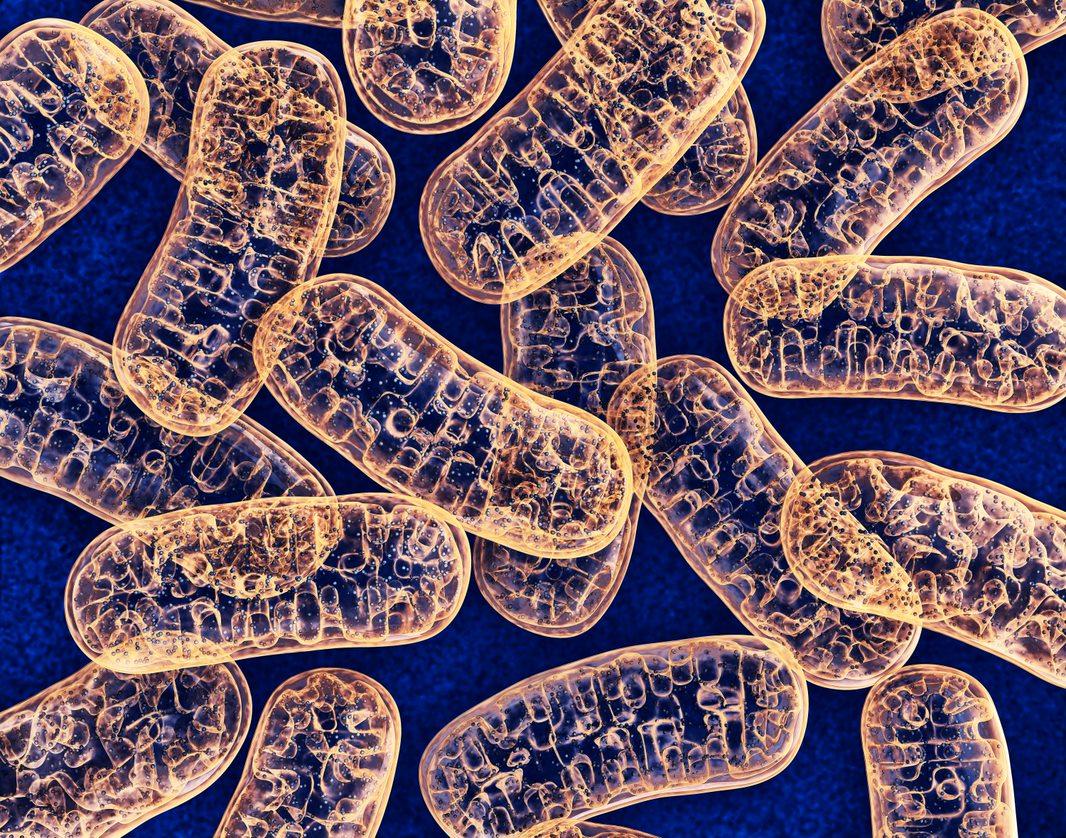
Introduction about PhD in Microbiology at Yogi Vemana University
The PhD program in Microbiology at Yogi Vemana University is designed to develop skilled microbiologists who can contribute significantly to the scientific community. The program emphasizes both theoretical knowledge and practical application in microbiology, encouraging research that addresses both local and global challenges in health, industry, and the environment.
Admission Process
Application submission with required documents.
Entrance examination conducted by the university.
Interview focusing on candidate's research interests and potential.
Final selection based on academic merit and entrance scores.
Eligibility Criteria
Master’s degree in Microbiology or related field with a minimum of 55% marks.
Qualification in the university’s entrance exam for PhD candidates.
Research proposal submission (for some departments).
Duration
Typically 3 to 5 years, depending on the candidate's research progress.
Fees Structure
|
Year |
Fee (INR) |
|
Year 1 |
50,000 |
|
Year 2 |
50,000 |
|
Year 3 |
50,000 |
|
Subsequent |
25,000/year |
Syllabus
Advanced Microbial Genetics
Microbial Physiology
Environmental Microbiology
Biostatistics and Bioinformatics
Research Methodology
Thesis Work
Career Opportunities
Academic researcher or lecturer
Clinical microbiologist
Environmental microbiologist
Biotechnology specialist
Pharmaceutical research scientist
Scholarship
University merit scholarships for top performers.
Research grants for innovative projects.
Government scholarships for economically underprivileged students.
External funding opportunities available through national and international organizations.
FAQs
What is the duration of the PhD Microbiology program at Yogi Vemana University?
The PhD program typically lasts for a minimum of three years, including coursework, and can extend up to a maximum of six years.
When was the Department of Microbiology established at Yogi Vemana University?
The Department of Microbiology was established in the academic year 2005-2006.
What are the research areas covered by the Microbiology department?
The department focuses on Industrial & Medical Microbiology, Molecular Biology, Bioinformatics, Agricultural, Environmental & Genetic Engineering, Virology, Immunology, enzyme kinetics, degradation studies, and functional proteomics and genomics.
What kind of laboratory facilities are available for Microbiology research at Yogi Vemana University?
The department is equipped with facilities like HPLC, Anaerobic Work Station, Fermenters, PCR, ELISA reader, CO2 incubator, and more.
Are there any scholarships or fellowships available for PhD students in Microbiology?
Yes, prestigious DST’s INSPIRE Fellowship is awarded to the first-rank students to pursue a PhD degree.
What are the eligibility criteria for enrolling in the PhD Microbiology program?
Specific eligibility criteria are not provided in the search results, so it’s best to contact the university directly for detailed information.
Does the department have collaborations with other universities or institutions?
Yes, the research facilities of the department are used extensively by researchers from neighboring universities and institutions, either through collaboration or on a payment basis.
What achievements have the Microbiology department and its students accomplished?
The department has successfully completed research projects funded by agencies like DST/CSIR/DBT/UGC, and students have received awards like the Dr. A.P.J. Abdul Kalam Vidya Puraskar.
What career prospects are available after completing a PhD in Microbiology from Yogi Vemana University?
PhD degree awardees from the department are currently working in various national and international institutions and laboratories.
How Shiksha Hub helps you in
-
 Student Counsellors
 -
 Career Counseling
 -
 Research
 -
 24/7 Support
 -
 Scholarships
 -
 Community