Posted by Admin on 07-07-2023 in Shiksha hub
M.Sc. Post Harvest Technology Introduction, Admission, Registration, Eligibility, Duration, Fees, Syllabus 2024
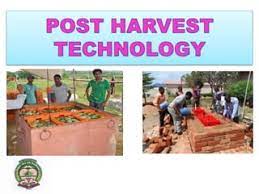
Introduction About M.Sc. Post Harvest Technology
In Today's Ever-Evolving Agricultural Landscape, Advancements In Post-Harvest Technology Play A Pivotal Role In Ensuring Food Security, Reducing Post-Harvest Losses, And Enhancing The Quality Of Agricultural Produce. The Field Of M.Sc. Post Harvest Technology Is At The Forefront Of These Innovations, Addressing The Challenges Faced By The Agricultural Sector. This Article Will Delve Into The Fundamental Aspects Of M.Sc. Post Harvest Technology, Offering A Comprehensive Understanding Of Its Significance, Curriculum, And Career Prospects.
What Is M.Sc. Post Harvest Technology?
M.Sc. Post Harvest Technology Is A Postgraduate Program Designed To Equip Students With The Knowledge And Skills Needed To Manage And Optimize The Post-Harvest Processes In Agriculture. This Includes Handling, Storing, Processing, And Transporting Agricultural Produce In A Manner That Preserves Its Quality And Reduces Losses.
The Importance Of Post Harvest Technology
The Significance Of Post-Harvest Technology Cannot Be Overstated. It Directly Addresses The Issue Of Food Loss, A Pressing Global Concern. A Significant Portion Of The World's Food Is Lost After Harvest Due To Improper Handling, Storage, And Transportation. Post-Harvest Technology Aims To Minimize These Losses, Thus Contributing To Food Security.
Curriculum Of M.Sc. Post Harvest Technology
The Curriculum Of An M.Sc. Post Harvest Technology Program Is Designed To Provide Students With A Well-Rounded Education In The Field. It Typically Includes:
Principles Of Post Harvest Technology
Students Learn The Basic Principles And Theories Behind Post-Harvest Processes. This Forms The Foundation For Further Studies In The Program.
Post Harvest Physiology
Understanding The Physiological Changes That Occur In Agricultural Produce After Harvest Is Crucial For Effective Preservation.
Post Harvest Pathology
This Subject Covers The Study Of Diseases That Affect Agricultural Produce During Storage And Transportation And How To Mitigate Their Impact.
Post Harvest Engineering
Students Gain Knowledge About The Design And Operation Of Post-Harvest Equipment And Storage Facilities.
Quality Control And Assurance
Maintaining The Quality Of Agricultural Products Is A Key Focus, And This Subject Teaches Techniques For Quality Control And Assurance.
Food Safety And Regulations
Students Are Educated On Food Safety Standards And Regulations To Ensure The Products Meet The Required Standards.
Research And Development
M.Sc. Post Harvest Technology Programs Often Include Research Components, Allowing Students To Explore Innovative Solutions To Post-Harvest Challenges.
How Can I Apply For Admission To M.Sc. Post Harvest Technology Program?
To Apply For Admission To An M.Sc. Post Harvest Technology Program, You Should Follow These General Steps:
Research And Choose A Program: Start By Researching Universities Or Institutions That Offer M.Sc. Post Harvest Technology Programs. Look For Programs That Align With Your Academic And Career Goals.
Check Admission Requirements: Each Program May Have Specific Admission Requirements. Typically, You'll Need A Relevant Bachelor's Degree In Agriculture, Horticulture, Food Technology, Or A Related Field. Make Sure To Review The Program's Website Or Contact The Admissions Office To Confirm The Exact Prerequisites.
Prepare Required Documents: Collect All The Necessary Documents, Which May Include:
Academic Transcripts From Your Previous Educational Institutions.
Letters Of Recommendation From Professors Or Professionals Who Can Vouch For Your Qualifications.
Statement Of Purpose (Sop) Explaining Your Reasons For Pursuing This Program And Your Career Goals.
Resume Or Curriculum Vitae (Cv) Outlining Your Academic And Professional Background.
Standardized Test Scores (E.G., Gre) If Required.
Complete The Application Form: Visit The University's Official Website And Locate The Application Form For The M.Sc. Post Harvest Technology Program. Fill Out The Form Carefully And Ensure That All Information Provided Is Accurate.
Pay Application Fees: Many Universities Require An Application Fee To Process Your Application. Check The Program's Website For Information On The Application Fee, Payment Methods, And Deadlines.
Submit Your Application: Submit Your Application Form And All Required Documents Through The University's Online Application Portal. Be Sure To Double-Check That You've Included Everything Before Submitting.
Attend Interviews (If Required): Some Programs May Require Interviews As Part Of The Admission Process. Be Prepared To Discuss Your Academic And Career Aspirations.
Wait For Admission Decision: The University's Admissions Committee Will Review Your Application. Admission Decisions Are Typically Communicated Through Email Or The University's Application Portal. Be Patient During This Waiting Period.
Accept The Offer: If You Receive An Offer Of Admission, Carefully Review The Terms And Conditions, Including The Deadline To Accept The Offer. Follow The University's Instructions To Confirm Your Enrollment.
Prepare For Enrollment: Once You've Accepted The Offer, The University Will Provide Details On The Enrollment Process, Including Registration, Payment Of Fees, And Course Selection.
What Is The Eligibility For M.Sc. Post Harvest Technology?
The Eligibility Criteria For M.Sc. Post Harvest Technology Programs Can Vary Depending On The University Or Institution Offering The Program. However, I Can Provide You With A General Overview Of The Common Eligibility Requirements You May Encounter:
Educational Qualifications: Typically, Applicants Should Have A Bachelor's Degree In A Related Field. This May Include:
B.Sc. Agriculture
B.Tech In Food Technology
B.Sc. Horticulture
B.Sc. Botany
B.Sc. Chemistry With A Focus On Agriculture Or Food Science
Minimum Gpa: Some Universities May Have A Minimum Gpa Requirement For Admission. This Requirement Can Vary, So It's Essential To Check With The Specific Program You're Interested In.
Standardized Test Scores: Some Institutions May Require Standardized Test Scores Such As The Gre (Graduate Record Examination). Be Sure To Verify Whether The Program You're Applying To Requires Gre Scores.
Letters Of Recommendation: You May Need To Submit Letters Of Recommendation From Professors Or Professionals Who Can Attest To Your Academic And Research Capabilities.
Statement Of Purpose (Sop): Many Programs Require A Well-Written Sop That Outlines Your Academic And Career Goals, As Well As Your Motivation For Pursuing M.Sc. Post Harvest Technology.
Resume Or Curriculum Vitae (Cv): A Detailed Cv Or Resume Highlighting Your Educational And Professional Background Is Often Required.
Language Proficiency: If Your Native Language Is Not English, You May Need To Provide Proof Of English Language Proficiency Through Tests Like Toefl Or Ielts.
Interview (If Applicable): Some Programs May Conduct Interviews To Assess An Applicant's Suitability For The Program.
It's Crucial To Note That Specific Eligibility Requirements Can Vary From One University To Another, So It's Essential To Visit The Official Website Of The University Or Institution Offering The M.Sc. Post Harvest Technology Program You're Interested In. There, You'll Find Detailed Information About Admission Criteria, Application Deadlines, And Any Additional Prerequisites.
Additionally, Reaching Out To The Admissions Office Of The Specific University Is Advisable For Personalized Guidance And Clarification On Eligibility Requirements. This Will Ensure That You Meet All The Necessary Criteria For Admission To The M.Sc. Post Harvest Technology Program Of Your Choice.
How Long Does It Takes To Complete A M.Sc. Post Harvest Technology Program?
The Duration Of An M.Sc. Post Harvest Technology Program Can Vary Depending On The University Or Institution Offering It And The Specific Curriculum They Have Designed. However, Here's A General Guideline For The Typical Duration Of An M.Sc. Post Harvest Technology Program:
Master Of Science (M.Sc.) In Post Harvest Technology:**
Full-Time Program: Typically, A Full-Time M.Sc. Post Harvest Technology Program Takes Approximately 2 Years To Complete. This Format Is Common In Many Universities And Includes Coursework, Practical Training, And Research.
Part-Time Program: Some Universities May Offer A Part-Time M.Sc. Post Harvest Technology Program, Which Allows Students To Complete The Program At A More Flexible Pace. The Duration For Part-Time Programs Can Vary, But It Often Extends Beyond 2 Years.
It's Important To Note That The Exact Duration Of The Program Can Be Influenced By Factors Such As The Number Of Credit Hours, Research Requirements, And The Specific University's Academic Calendar. Additionally, Some Programs May Offer The Option Of Accelerated Study For Students Who Wish To Complete The Program More Quickly, While Others May Provide Extended Timelines To Accommodate Working Professionals.
To Obtain Precise Information About The Duration Of The M.Sc. Post Harvest Technology Program At A Particular University Or Institution, It's Advisable To Visit The Program's Official Website Or Contact The Admissions Office. They Will Provide Detailed Information About The Program's Structure And Duration To Help You Plan Your Academic Journey Effectively.
What Are Potential Career Opportunities After M.Sc. Post Harvest Technology?
After Completing An M.Sc. Post Harvest Technology Program, Graduates Have A Wide Range Of Potential Career Opportunities In Various Sectors. Here Are Some Of The Potential Career Paths You Can Pursue:
Post Harvest Technologist: As A Post Harvest Technologist, You Can Work Directly In The Field Of Post-Harvest Management. Your Responsibilities May Include Implementing Best Practices For Handling, Storing, And Processing Agricultural Produce To Minimize Losses And Ensure Product Quality.
Quality Control And Assurance: Many Graduates Find Positions As Quality Control And Assurance Officers In The Food And Agriculture Industries. You'll Be Responsible For Maintaining The Quality And Safety Of Food Products, Ensuring They Meet The Required Standards And Regulations.
Food Processing Industry: You Can Join The Food Processing Industry, Working With Companies That Process Agricultural Products. Your Role May Involve Ensuring That Processing Methods Are Efficient, Safe, And Maintain Product Quality.
Agriculture And Agribusiness: In The Agricultural Sector, Post-Harvest Technologists Play A Crucial Role In Reducing Losses And Improving The Overall Value Chain. You Can Work With Agricultural Organizations, Cooperatives, Or Agribusinesses To Enhance Post-Harvest Practices.
Research And Development: If You Have A Passion For Innovation, You Can Work In Research And Development. This May Involve Conducting Research To Develop New Techniques, Technologies, And Products Related To Post-Harvest Management And Food Preservation.
Entrepreneurship: With The Knowledge And Skills Gained From Your M.Sc. Post Harvest Technology Program, You Can Start Your Own Business In Post-Harvest Management And Food Preservation. This May Include Consulting, Establishing Cold Storage Facilities, Or Developing Specialized Preservation Methods.
Government And Regulatory Bodies: Government Agencies And Regulatory Bodies Often Hire Post-Harvest Technologists To Ensure That Agricultural Products Meet Safety And Quality Standards. You Can Work In Roles Related To Compliance And Enforcement Of Food Safety Regulations.
Consulting: Many Graduates Become Post-Harvest Management Consultants, Offering Their Expertise To Farmers, Food Processors, And Organizations To Improve Their Post-Harvest Practices And Reduce Losses.
Teaching And Education: Some Individuals Choose To Pursue Careers In Academia By Becoming Educators In Agricultural And Post-Harvest Technology Programs. This Allows You To Share Your Knowledge And Expertise With The Next Generation Of Professionals.
International Organizations: International Organizations And Ngos Focused On Food Security And Agricultural Development Often Employ Post-Harvest Technologists To Work On Projects Aimed At Reducing Food Losses In Developing Countries.
These Career Opportunities Are Diverse, And Your Choice Will Depend On Your Interests, Strengths, And The Specific Skills You Develop During Your M.Sc. Post Harvest Technology Program. The Field Is Dynamic, And The Demand For Professionals Who Can Address Post-Harvest Challenges Is Continually Growing, Making It A Promising Career Path For Those With A Passion For Agriculture And Food Security.
Syllabus Of M.Sc. Post Harvest Technology
|
Semester |
Courses |
Topics Covered |
|
Semester 1 |
Principles Of Post Harvest Technology |
- Introduction To Post-Harvest Processes - Principles Of Crop Handling And Storage - Quality Parameters Of Agricultural Produce |
|
Post Harvest Physiology |
- Post-Harvest Changes In Crops - Respiration And Transpiration - Ethylene Effects On Ripening |
|
|
Post Harvest Pathology |
- Post-Harvest Diseases And Disorders - Control Measures - Fungal And Bacterial Diseases |
|
|
Fundamentals Of Food Chemistry |
- Composition Of Food - Chemical Reactions In Food - Food Preservation Methods |
|
|
Research Methodology And Statistical Tools |
- Research Design And Data Collection - Statistical Analysis - Research Ethics |
|
|
Semester 2 |
Post Harvest Engineering |
- Design And Operation Of Storage Facilities - Post-Harvest Equipment - Controlled Atmosphere Storage |
|
Food Safety And Regulations |
- Food Safety Standards And Regulations - Hazard Analysis And Critical Control Points (Haccp) - Food Labeling |
|
|
Post Harvest Handling And Transportation |
- Techniques For Handling And Packaging - Modes Of Transportation - Cold Chain Management |
|
|
Microbiology Of Post Harvest Technology |
- Microbial Spoilage Of Food - Microbiological Testing - Foodborne Pathogens |
|
|
Elective Course 1 |
- Elective Options Related To Specialization |
|
|
Semester 3 |
Quality Control And Assurance |
- Sensory Evaluation - Quality Testing Methods - Quality Control In Food Processing |
|
Post Harvest Research Project |
- Research Proposal Development - Data Collection And Analysis - Thesis Preparation |
|
|
Elective Course 2 |
- Second Elective Course Based On Specialization |
|
|
Semester 4 |
Industrial Training And Internship |
- Practical Experience In The Industry - Application Of Knowledge In Real-World Settings |
|
Seminar And Presentation |
- Presentation Of Research Findings - Interactions With Peers And Faculty |
|
|
Elective Course 3 |
- Third Elective Course Based On Specialization |
|
|
Elective Course 4 |
- Fourth Elective Course Based On Specialization |
|
|
Elective Course 5 |
- Fifth Elective Course Based On Specialization |
Internship Opportunities After Completing M.Sc. Post Harvest Technology?
Completing An M.Sc. Post Harvest Technology Program Opens Up Various Internship Opportunities That Allow You To Gain Practical Experience And Apply The Knowledge And Skills You've Acquired During Your Studies. Here Are Some Potential Internship Opportunities After Completing An M.Sc. Post Harvest Technology Program:
Agricultural Research Institutions: Many Research Institutions And Agricultural Universities Offer Internships In Post-Harvest Research Projects. These Internships Provide Hands-On Experience In Conducting Experiments, Analyzing Data, And Developing Innovative Post-Harvest Solutions.
Government Agricultural Departments: Government Agencies Related To Agriculture Often Offer Internships In Areas Such As Quality Control, Food Safety, And Agricultural Extension Services. These Internships Can Be Valuable For Gaining An Understanding Of Regulatory Processes.
Food Processing Companies: Food Processing Companies, Especially Those Involved In The Processing Of Agricultural Products, Frequently Offer Internships. Interns Can Work In Quality Control, Production, And Operations To Ensure That Post-Harvest Processes Are Efficient And Meet Industry Standards.
Cold Storage Facilities: Cold Storage Facilities And Warehouses Hire Interns To Assist In Managing The Storage Of Agricultural Produce. This Hands-On Experience Is Invaluable For Understanding The Logistics Of Post-Harvest Management.
Agricultural Cooperatives: Agricultural Cooperatives Often Offer Internships In Post-Harvest Management And Cooperative Management. Interns Can Learn About The Challenges And Solutions Related To Handling And Marketing Agricultural Products Collectively.
Non-Governmental Organizations (Ngos): Ngos Focused On Agriculture, Food Security, And Sustainable Development Frequently Have Internship Programs. These Organizations May Involve Interns In Projects Related To Reducing Post-Harvest Losses In Developing Regions.
Quality Control Labs: Quality Control Laboratories, Both In The Private Sector And Governmental Organizations, Offer Internships In Quality Testing, Food Safety Assessment, And Compliance With Regulatory Standards.
Food Safety Agencies: Internships With Agencies Responsible For Food Safety And Regulation Are Ideal For Those Interested In Ensuring That Post-Harvest Processes Adhere To Strict Quality And Safety Standards.
Food Retailers And Supermarkets: Large Food Retail Chains And Supermarkets May Offer Internships In Supply Chain Management And Quality Assurance To Ensure The Quality And Freshness Of Products On Their Shelves.
International Organizations: Organizations Like The United Nations' Food And Agriculture Organization (Fao) May Offer Internships In Global Food Security And Agricultural Development Projects.
When Seeking Internship Opportunities, It's Essential To Research And Identify Organizations That Align With Your Career Goals And Interests. Networking With Professors, Alumni, And Industry Professionals Can Be Valuable For Discovering Internships And Gaining Insights Into The Available Opportunities.
Additionally, You Should Proactively Approach These Organizations With A Well-Prepared Resume, Cover Letter, And A Clear Understanding Of How Your M.Sc. Post Harvest Technology Knowledge And Skills Can Benefit Their Operations. Internships Provide Practical Experience, Expand Your Professional Network, And Enhance Your Employability In The Field Of Post-Harvest Technology.
Scholarship And Grants For M.Sc. Post Harvest Technology?
Pursuing An M.Sc. Post Harvest Technology Program Can Be Financially Demanding, But There Are Several Scholarship And Grant Opportunities Available To Help Offset The Costs. These Scholarships And Grants Are Often Provided By Universities, Government Agencies, Non-Profit Organizations, And Private Foundations. Here Are Some Avenues To Explore For Financial Assistance:
University Scholarships: Many Universities That Offer M.Sc. Post Harvest Technology Programs Have Their Own Scholarship Programs For Both Domestic And International Students. These Scholarships May Be Merit-Based Or Need-Based. Visit The University's Official Website And Check With The Admissions Or Financial Aid Office For Information On Available Scholarships.
Government Scholarships: Government Agencies At The National, State, Or Regional Levels May Offer Scholarships Or Financial Aid For Students Pursuing Postgraduate Studies In Agriculture-Related Fields. Explore Government Websites And Contact Relevant Departments For Details On Such Opportunities.
International Scholarships: If You Plan To Study M.Sc. Post Harvest Technology In A Foreign Country, Look For International Scholarships Provided By Governments, Organizations, And Universities. Common Examples Include The Fulbright Program, Chevening Scholarships, And Commonwealth Scholarships.
Professional Associations: Professional Associations In The Field Of Agriculture And Post-Harvest Technology May Offer Scholarships To Students Pursuing Relevant Programs. Joining These Associations Can Provide You With Information On Available Opportunities.
Non-Profit Organizations: Various Non-Profit Organizations, Particularly Those Focused On Food Security And Agriculture, Provide Scholarships And Grants To Students Who Share Their Mission. Research And Reach Out To These Organizations For Potential Financial Support.
Private Foundations: Some Private Foundations And Charitable Organizations Offer Scholarships For Students Pursuing Post-Harvest Technology And Related Fields. These Opportunities May Not Be Widely Advertised, So Conducting Thorough Online Research Is Essential.
Employer Sponsorship: If You Are Currently Employed Or Plan To Work In An Agriculture-Related Field, Inquire About Employer-Sponsored Scholarships Or Tuition Assistance Programs. Some Companies Support Employees' Education In Exchange For A Commitment To Work With Them For A Certain Period.
Research Assistantships: Some Universities Offer Research Assistantships To M.Sc. Students. These Positions Involve Working On Research Projects In Exchange For Financial Support, A Stipend, Or A Fee Waiver. Contact Your Prospective University's Department For Information On Available Research Assistantships.
Teaching Assistantships: If You Have Strong Academic Qualifications, You May Be Eligible For Teaching Assistantships, Which Involve Assisting Professors With Coursework. These Positions Often Come With A Stipend And Fee Waivers.
Online Scholarship Databases: Utilize Online Scholarship Databases And Search Engines Dedicated To Helping Students Find Scholarships And Grants. Websites Like Scholarship.Com, Fastweb, And Scholarships.Com Are Valuable Resources For Identifying Opportunities That Match Your Profile.
When Applying For Scholarships And Grants, Pay Attention To Eligibility Criteria, Application Deadlines, And Required Documentation. Scholarship Application Processes Can Be Competitive, So Make Sure Your Application Is Well-Prepared, Including A Strong Personal Statement Or Essay. Also, Be Diligent In Researching And Applying For Multiple Opportunities To Maximize Your Chances Of Securing Financial Support For Your M.Sc. Post Harvest Technology Program.
Conclusion
M.Sc. Post Harvest Technology Is A Field That Holds Immense Promise In Addressing The Challenges Of Post-Harvest Losses, Food Security, And The Overall Quality Of Agricultural Produce. Graduates Of This Program Are Well-Prepared To Make A Significant Impact In The Agricultural Sector And Related Industries. As The World Grapples With The Need For Sustainable And Efficient Food Production, The Role Of Post-Harvest Technologists Becomes Increasingly Crucial.
FAQ,s
What Is M.Sc. Post Harvest Technology?
M.Sc. Post Harvest Technology Is A Postgraduate Program Focused On The Management And Optimization Of Post-Harvest Processes In Agriculture. It Includes The Handling, Storage, Processing, And Transportation Of Agricultural Produce To Reduce Losses And Ensure Product Quality.
What Are The Eligibility Criteria For M.Sc. Post Harvest Technology Programs?
Eligibility Criteria Typically Include Having A Relevant Bachelor's Degree In Fields Like Agriculture, Food Technology, Or Horticulture. Specific Requirements May Vary By University.
How Long Does It Take To Complete An M.Sc. Post Harvest Technology Program?
A Full-Time M.Sc. Post Harvest Technology Program Generally Takes About 2 Years To Complete. Part-Time Programs May Have Longer Durations.
What Career Opportunities Are Available After Completing M.Sc. Post Harvest Technology?
Graduates Can Pursue Careers In Quality Control, Food Processing, Research, Entrepreneurship, And More. They Can Work In Food Companies, Agriculture, Research Institutions, And Regulatory Bodies.
Are There Internship Opportunities For M.Sc. Post Harvest Technology Graduates?
Yes, Internships Are Available In Various Sectors, Including Research Institutions, Government Agricultural Departments, Food Processing Companies, And Quality Control Labs. These Internships Offer Practical Experience In Post-Harvest Management.
How Can I Find Scholarships Or Grants To Support My M.Sc. Post Harvest Technology Studies?
Scholarships And Grants Are Available From Universities, Governments, Professional Associations, Non-Profit Organizations, And Private Foundations. Conduct Thorough Research And Check With The Admissions Or Financial Aid Office Of Your Chosen University For Information On Available Opportunities.
What Is The Curriculum Like For M.Sc. Post Harvest Technology Programs?
The Curriculum Typically Covers Subjects Like Post-Harvest Physiology, Pathology, Engineering, Food Safety, Research Methodology, And Elective Courses Based On Specialization. It May Include Research Projects And Practical Training.
Can I Pursue An M.Sc. Post Harvest Technology Program In A Foreign Country?
Yes, Many Universities Abroad Offer M.Sc. Post Harvest Technology Programs. You Can Explore International Scholarships And Financial Aid Options To Support Your Studies In A Foreign Country.
What Is The Role Of A Post-Harvest Technologist?
Post-Harvest Technologists Are Responsible For Implementing Best Practices In The Handling, Storage, And Transportation Of Agricultural Produce To Minimize Losses And Ensure Product Quality. They Play A Crucial Role In Food Safety And Security.
Are There Opportunities For Further Specialization Within M.Sc. Post Harvest Technology?
Yes, Many Programs Offer Elective Courses That Allow Students To Specialize In Areas Such As Food Technology, Quality Control, Or Specific Crop Post-Harvest Management.
How Shiksha Hub helps you in
-
 Student Counsellors
 -
 Career Counseling
 -
 Research
 -
 24/7 Support
 -
 Scholarships
 -
 Community