Posted by Admin on 07-07-2023 in Shiksha hub
M.Sc. Plantation Development Introduction, Admission, Registration, Eligibility, Duration, Fees, Syllabus 2024
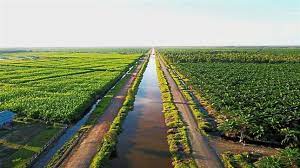
Introduction About M.Sc. Plantation Development
In The World Of Agriculture And Environmental Conservation, The Pursuit Of Knowledge And Innovation Is Paramount. M.Sc. Plantation Development Is A Program That Epitomizes This Quest For Excellence In Sustainable Agriculture, Forestry, And Resource Management. This Comprehensive Article Will Delve Into The Depths Of M.Sc. Plantation Development, Exploring Its Significance, Curriculum, Career Prospects, And Much More.
What Is M.Sc. Plantation Development?
M.Sc. Plantation Development Is A Postgraduate Program That Focuses On Equipping Students With The Knowledge And Skills Required To Manage And Develop Various Types Of Plantations Efficiently. It Encompasses A Wide Range Of Subjects, Including Agriculture, Forestry, And Environmental Management.
The Significance Of Sustainable Plantation Development
In A World Grappling With Environmental Challenges, Sustainable Plantation Development Is A Crucial Endeavor. This Program Emphasizes The Importance Of Responsible Land Use, Conservation Of Natural Resources, And The Promotion Of Biodiversity.
How Can I Apply For Admission To M.Sc. Plantation Development Program?
To Apply For Admission To An M.Sc. Plantation Development Program, Follow These General Steps:
Research Institutions: Start By Researching Universities Or Institutions That Offer M.Sc. Plantation Development Programs. Look For Accredited Institutions With A Strong Reputation In Agriculture, Forestry, Or Related Fields.
Check Admission Requirements: Visit The Official Websites Of The Universities You're Interested In And Review Their Specific Admission Requirements For The M.Sc. Plantation Development Program. Requirements Can Vary From One Institution To Another, But Typically, You'll Need A Relevant Bachelor's Degree.
Prepare Necessary Documents:
Academic Transcripts: You Will Need To Provide Transcripts From Your Previous Educational Institutions, Demonstrating Your Academic Qualifications.
Letters Of Recommendation: Many Programs Require Two To Three Letters Of Recommendation From Professors Or Professionals Who Can Vouch For Your Academic And Research Capabilities.
Statement Of Purpose: Write A Compelling Statement Of Purpose That Explains Your Motivation For Pursuing M.Sc. Plantation Development, Your Career Goals, And Why You Are Interested In That Particular Program.
Resume/Cv: Prepare A Detailed Resume Or Curriculum Vitae That Highlights Your Educational And Professional Background.
English Language Proficiency: If English Is Not Your First Language, You May Need To Provide Proof Of English Language Proficiency Through Standardized Tests Like Toefl Or Ielts.
Entrance Exams: Some Universities May Require Gre Or Other Specific Entrance Exams. Check The Requirements Of The Institutions You're Applying To.
Application Form: Fill Out The Online Application Form Provided By The University. Ensure That You Complete All Sections Accurately And Honestly.
Pay Application Fee: Pay The Required Application Fee. The Fee Amount Can Vary By Institution.
Submit Your Application: After Completing The Application Form And Paying The Fee, Submit Your Application Through The University's Official Website. Make Sure To Do This Before The Application Deadline.
Interview: Some Institutions May Require An Interview As Part Of The Admission Process. Be Prepared To Discuss Your Qualifications, Motivations, And Goals.
Wait For Admission Decision: After Submitting Your Application, Universities Will Review Your Materials And Make An Admission Decision. This Process May Take Some Time, So Be Patient.
Acceptance And Enrollment: If You Receive An Acceptance Letter, Carefully Read And Follow The Instructions For Enrollment, Including Paying Any Required Deposits And Submitting Any Additional Documents.
Seek Financial Aid: If You Need Financial Assistance, Explore Scholarships, Grants, And Loans That May Be Available To M.Sc. Plantation Development Students.
Visa And Accommodation: For International Students, It's Crucial To Secure A Student Visa And Arrange Accommodation In The Host Country.
Orientation: Once You're Enrolled, Attend The University's Orientation Program To Get Acquainted With The Campus, Faculty, And Fellow Students.
Remember That The Specific Requirements And Processes Can Vary Between Universities, So It's Essential To Consult The Admission Guidelines Of The Institutions You're Interested In. Make Sure To Meet All The Deadlines And Provide Complete And Accurate Information To Enhance Your Chances Of Admission To The M.Sc. Plantation Development Program.
What Is The Eligibility For M.Sc. Plantation Development?
The Eligibility Criteria For An M.Sc. Plantation Development Program May Vary From One University Or Institution To Another, But There Are Common Prerequisites That Most Programs Typically Require. To Be Eligible For An M.Sc. Plantation Development Program, You Generally Need To Meet The Following Criteria:
Educational Background: You Should Hold A Relevant Bachelor's Degree From A Recognized Institution. The Preferred Educational Backgrounds For This Program Include:
A Bachelor Of Science (B.Sc.) In Agriculture
A Bachelor Of Science (B.Sc.) In Forestry
A Bachelor Of Science (B.Sc.) In Horticulture
A Bachelor Of Science (B.Sc.) In Environmental Science Or Related Fields.
Minimum Gpa: Many Universities Have A Minimum Grade Point Average (Gpa) Requirement For Admission. The Specific Gpa Required Can Vary But Is Typically In The Range Of 2.5 To 3.0 On A 4.0 Scale.
Language Proficiency: If English Is Not Your First Language, You May Need To Provide Proof Of English Language Proficiency. This Is Often Done Through Standardized Tests Like Toefl (Test Of English As A Foreign Language) Or Ielts (International English Language Testing System). Universities Usually Have A Minimum Score Requirement For These Tests.
Entrance Exams (Varies): Some Institutions May Require Specific Entrance Exams Such As The Gre (Graduate Record Examination). Check The Admission Requirements Of The University You Are Interested In To See If An Entrance Exam Is Necessary.
Letters Of Recommendation: You May Be Asked To Provide Two Or Three Letters Of Recommendation From Professors Or Professionals Who Can Attest To Your Academic Capabilities And Potential For Success In The Program.
Statement Of Purpose: Write A Compelling Statement Of Purpose That Outlines Your Motivation For Pursuing M.Sc. Plantation Development, Your Career Goals, And How The Program Aligns With Your Aspirations.
Work Experience (Varies): Some Programs May Prefer Or Require Applicants To Have Relevant Work Experience In Fields Related To Agriculture, Forestry, Or Environmental Science.
Interview (Varies): A Few Institutions May Conduct Interviews As Part Of The Selection Process. This Interview May Assess Your Qualifications, Research Interests, And Alignment With The Program.
Specific Prerequisites (Varies): Certain Universities May Have Specific Prerequisites Or Additional Requirements Unique To Their Program. These Could Include Prerequisite Courses Or Additional Exams.
It's Essential To Review The Admission Requirements Of The Specific M.Sc. Plantation Development Programs And Institutions You Are Interested In, As Eligibility Criteria Can Differ Between Universities. Additionally, Reach Out To The University's Admission Department Or Visit Their Official Website For The Most Up-To-Date Information On Their Admission Requirements And Processes.
How Long Does It Takes To Complete A M.Sc. Plantation Development Program?
The Duration Of An M.Sc. Plantation Development Program Can Vary Depending On The Specific University Or Institution Offering The Program And Whether You Are Pursuing It On A Full-Time Or Part-Time Basis. Typically, M.Sc. Plantation Development Programs Are Designed As Two-Year Programs, But There Can Be Variations. Here Are The General Guidelines For Program Duration:
Full-Time Program: In Most Cases, When Students Enroll In An M.Sc. Plantation Development Program On A Full-Time Basis, It Typically Takes Two Years To Complete. This Duration Includes Coursework, Research, And Any Necessary Projects Or Internships.
Part-Time Program: Some Universities May Offer Part-Time Options For Students Who Wish To Continue Working Or Have Other Commitments While Pursuing Their Master's Degree. In A Part-Time Program, The Duration May Be Extended, Often To Three Or More Years, As Students Take A Reduced Course Load Each Semester.
Accelerated Programs (Varies): Certain Institutions May Offer Accelerated M.Sc. Plantation Development Programs That Allow Students To Complete Their Degree In A Shorter Timeframe, Such As 18 Months. These Programs Often Have More Intensive Coursework And May Require Students To Dedicate More Time To Their Studies.
It's Essential To Note That The Exact Program Duration Can Vary Between Universities, And Some May Offer More Flexibility In Terms Of Course Load And Scheduling. Therefore, It's Advisable To Check The Specific Program Details And Curriculum Of The University You Are Interested In To Determine The Exact Length Of Their M.Sc. Plantation Development Program. Additionally, The Availability Of Summer Or Winter Sessions And The Requirements For Thesis Or Research Projects Can Also Impact The Overall Program Duration.
What Are Potential Career Opportunities After M.Sc. Plantation Development?
After Completing An M.Sc. Plantation Development Program, Graduates Have A Wide Range Of Career Opportunities In Various Sectors Related To Agriculture, Forestry, And Environmental Management. This Program Equips Students With The Knowledge And Skills Necessary For Sustainable Plantation Development, Making Them Valuable Assets In Both The Public And Private Sectors. Here Are Some Potential Career Opportunities:
Plantation Manager: Plantation Managers Oversee The Day-To-Day Operations Of Large-Scale Plantations. They Are Responsible For Ensuring That Crops Or Trees Are Grown Efficiently And Sustainably. This Role Involves Planning, Organizing, And Supervising Plantation Activities, As Well As Managing Resources And Personnel.
Environmental Consultant: Environmental Consultants Work To Provide Valuable Insights Into Sustainable Land Use, Conservation Practices, And Biodiversity Management. They Often Collaborate With Organizations, Governments, And Businesses To Develop And Implement Eco-Friendly Strategies And Policies.
Research Scientist: Graduates Can Pursue Careers As Research Scientists Focused On Plantation Development. They Engage In Research To Develop Innovative Techniques And Practices For Efficient Plantation Management, Improved Crop Yields, And Sustainable Forestry.
Agronomist: Agronomists Specialize In Crop And Soil Science, Helping Farmers And Plantation Owners Optimize Their Agricultural Practices. They Provide Recommendations On Crop Selection, Pest Control, Irrigation, And Soil Management To Enhance Yields And Sustainability.
Horticulturist: Those With A Specialization In Horticulture Can Work In Various Roles, Such As Managing Fruit And Vegetable Cultivation, Landscaping Design And Maintenance, And Nursery Management. Horticulturists Play A Vital Role In Creating Aesthetically Pleasing And Environmentally Friendly Landscapes.
Agroforestry Specialist: Specializing In Agroforestry Allows Individuals To Work At The Intersection Of Agriculture And Forestry. They Help Develop Systems That Integrate Trees With Agricultural Crops, Promoting Sustainability, Biodiversity, And Enhanced Productivity.
Government Positions: Graduates Can Find Employment In Government Agencies Responsible For Environmental Conservation, Forestry, And Agriculture. These Positions May Involve Policy Development, Regulation Enforcement, And Research.
Non-Governmental Organizations (Ngos): Many Environmental And Conservation Ngos Hire Professionals With Expertise In Plantation Development To Work On Projects Aimed At Preserving Natural Resources And Protecting Biodiversity.
Academia And Education: Some M.Sc. Plantation Development Graduates Choose To Pursue Careers In Academia, Becoming Professors Or Instructors At Universities Or Colleges. They Contribute To The Education And Training Of Future Professionals In The Field.
Consulting Firms: There Are Consulting Firms Specializing In Agriculture, Forestry, And Environmental Management That Hire Graduates To Provide Expert Advice And Solutions To Clients In Need Of Sustainable Practices.
Land Use Planner: Land Use Planners Work With Government Agencies And Private Organizations To Develop Strategies For Responsible Land Use And Sustainable Development. They Play A Critical Role In Urban And Rural Planning.
Project Manager: Project Management Positions In Agricultural And Forestry Projects Are Also Available. Project Managers Oversee The Planning And Execution Of Specific Initiatives Related To Plantation Development And Land Management.
International Opportunities: Graduates Can Explore International Opportunities, Especially In Countries Where Sustainable Agriculture And Forestry Are A Priority. Many Nations Are Seeking Experts In These Fields To Address Environmental Challenges.
The Career Opportunities After Earning An M.Sc. Plantation Development Degree Are Diverse And Can Lead To Impactful And Rewarding Roles In Fields Related To Agriculture, Forestry, And Environmental Sustainability. The Specific Career Path You Choose Can Depend On Your Interests, Specialization, And Professional Goals.
Syllabus Of M.Sc. Plantation Development
|
Semester |
Courses |
Credits |
Description |
|
Semester 1 |
- Plantation Management |
3 |
Introduction To Plantation Management, Principles, And Practices. |
|
- Soil Science And Management |
3 |
Study Of Soil Properties, Fertility, And Sustainable Soil Management. |
|
|
- Plant Physiology And Genetics |
3 |
Understanding Plant Growth, Genetics, And Breeding For Sustainability. |
|
|
- Introduction To Agroforestry |
3 |
Fundamentals Of Agroforestry, Integration Of Trees With Crops. |
|
|
Semester 2 |
- Crop Management And Pest Control |
3 |
Strategies For Crop Management And Sustainable Pest Control. |
|
- Silviculture And Forestry Management |
3 |
Sustainable Management Of Forests, Timber Production, And Silvicultural Practices. |
|
|
- Horticultural Practices |
3 |
Cultivation Of Fruits, Vegetables, And Ornamental Plants. |
|
|
- Environmental Conservation And Biodiversity |
3 |
Conservation Of Natural Resources, Biodiversity Management. |
|
|
Semester 3 |
- Agroecology And Sustainable Agriculture |
3 |
Ecological Principles In Agriculture And Sustainable Farming Methods. |
|
- Plantation Economics And Financial Management |
3 |
Economic Aspects Of Plantation Management And Financial Planning. |
|
|
- Research Methodology |
3 |
Techniques For Research, Data Collection, And Analysis. |
|
|
- Elective Course 1 |
3 |
Students Can Choose From A List Of Specialized Electives. |
|
|
Semester 4 |
- Thesis Or Research Project |
6 |
Independent Research Or A Comprehensive Project In The Field. |
|
- Internship Or Fieldwork |
3 |
Practical Experience Working In A Plantation Or Relevant Industry. |
|
|
- Elective Course 2 |
3 |
Further Specialization Based On Students' Interests. |
Internship Opportunities After Completing M.Sc. Plantation Development?
After Completing An M.Sc. Plantation Development Program, There Are Numerous Internship Opportunities Available For Graduates. These Internships Can Provide Valuable Hands-On Experience And Help You Apply The Knowledge And Skills Acquired During Your Academic Studies. Here Are Some Potential Internship Opportunities:
Plantation Management Companies: Many Plantation Management Companies Offer Internships To M.Sc. Plantation Development Graduates. These Internships Can Involve Working On Large-Scale Plantations, Gaining Practical Experience In Crop Or Forestry Management, Pest Control, And Sustainability Practices.
Agricultural Research Institutes: Research Institutions Focusing On Agriculture And Forestry Often Provide Internships For Graduates. You Can Engage In Research Projects Related To Plantation Development, Helping To Develop New And Innovative Techniques And Sustainable Practices.
Environmental And Conservation Organizations: Non-Governmental Organizations (Ngos) And Environmental Conservation Groups Offer Internships That Focus On Sustainable Land Use, Biodiversity Conservation, And Environmental Protection. This Can Include Projects Related To Reforestation And Sustainable Agricultural Practices.
Government Agencies: Government Departments Responsible For Agriculture, Forestry, And Environmental Management May Offer Internships. These Opportunities Can Involve Policy Development, Land Use Planning, And Regulatory Enforcement.
Horticultural Enterprises: If You Have A Specialization In Horticulture, You Can Explore Internships With Horticultural Enterprises, Which May Include Working In Nurseries, Landscaping Companies, Or Fruit And Vegetable Cultivation.
Agroforestry Initiatives: Internships In Agroforestry Projects Allow You To Work On Systems That Integrate Trees With Agricultural Crops. You Can Gain Hands-On Experience In Managing Such Integrated Systems, Promoting Sustainability And Biodiversity.
Seed Companies: Seed Companies Often Provide Internships That Focus On Plant Genetics And Breeding. This Can Be An Excellent Opportunity To Work On Improving Crop Varieties And Ensuring Their Sustainability.
Plantation Consulting Firms: Consulting Firms Specializing In Plantation Management And Sustainable Agriculture May Offer Internships. You Can Assist With Providing Expert Advice And Solutions To Clients Looking To Improve Their Land Management Practices.
Land Use Planning And Development: Some Graduates Opt For Internships In Land Use Planning And Development Departments, Helping With Urban And Rural Planning, Zoning, And Sustainable Development Projects.
Educational Institutions: Universities And Colleges Sometimes Offer Internships Within Their Agriculture And Forestry Departments. These Internships May Involve Assisting With Research Projects Or Providing Support To Professors.
International Opportunities: Graduates Interested In International Experience Can Explore Internships In Other Countries, Working On Projects Related To Sustainable Agriculture And Forestry. These Opportunities May Be Available Through International Organizations And Ngos.
When Searching For Internship Opportunities, It's Essential To Network, Research Potential Organizations, And Reach Out To Career Services At Your Educational Institution For Guidance And Assistance. Internships Not Only Provide Practical Experience But Also Help You Build Professional Connections And Enhance Your Career Prospects In The Field Of Plantation Development.
Scholarship And Grants For M.Sc. Plantation Development?
Scholarships And Grants Can Be Instrumental In Funding Your M.Sc. Plantation Development Education. Many Universities And Organizations Offer Financial Assistance To Students Pursuing This Field Of Study. Here Are Some Scholarship And Grant Opportunities You Can Explore:
University Scholarships: Most Universities Have Their Own Scholarship Programs For Both Domestic And International Students. Check With The University Or Universities Where You Plan To Apply For M.Sc. Plantation Development Programs. These Scholarships May Be Based On Academic Merit, Financial Need, Or Specific Criteria Related To Your Field Of Study.
Government Scholarships: In Some Countries, Government Agencies Offer Scholarships To Support Students In Pursuing Master's Degrees In Fields Related To Agriculture, Forestry, Or Environmental Management. Research Government Scholarship Programs In Your Home Country And The Country Where You Plan To Study.
Professional Associations: Look For Professional Associations Related To Agriculture, Forestry, And Environmental Sciences. These Associations Often Offer Scholarships And Grants To Students Pursuing Degrees In These Fields. Examples Include The Soil Science Society Of America And The American Horticultural Society.
Ngo And Environmental Organizations: Non-Governmental Organizations (Ngos) And Environmental Groups Frequently Provide Scholarships And Grants To Students Committed To Environmental Conservation And Sustainable Practices. These Organizations May Focus On Specific Regions Or Areas Of Interest Within Plantation Development.
Corporate Scholarships: Some Companies And Corporations With Interests In Agriculture, Forestry, Or Plantation Management Offer Scholarships To Students In These Fields. These Scholarships May Be Part Of Corporate Social Responsibility Initiatives.
Research Grants: If You Plan To Engage In Research As Part Of Your M.Sc. Program, Consider Applying For Research Grants. These Grants Can Help Fund Your Research Projects And Studies.
International Scholarships: If You're An International Student, Explore Scholarships Provided By International Organizations And Agencies. For Example, The Fulbright Program Offers Scholarships For Students From Many Countries To Study In The United States.
Fellowships: Fellowships Are Similar To Scholarships And May Cover Tuition, Living Expenses, And Research Costs. They Are Often Awarded Based On Academic Achievement And Potential Contributions To The Field.
Merit-Based Scholarships: Many Institutions Offer Merit-Based Scholarships That Consider Your Academic Achievements, Test Scores, And Other Qualifications. These Scholarships Are Awarded To Outstanding Students In The Program.
Diversity Scholarships: Some Scholarships Are Specifically Designed To Promote Diversity And Inclusivity Within The Academic Community. If You Belong To An Underrepresented Group, You May Be Eligible For Such Scholarships.
Subject-Specific Scholarships: Explore Scholarships That Are Directly Related To Your Field Of Study, Such As Agriculture, Forestry, Horticulture, Or Environmental Science Scholarships.
Financial Aid Office: Contact The Financial Aid Office At The University Or Universities You're Interested In. They Can Provide Information About Scholarships And Grants Available To Students In The M.Sc. Plantation Development Program.
Remember To Carefully Review The Eligibility Criteria, Application Deadlines, And Application Requirements For Each Scholarship Or Grant. Many Scholarships Have Specific Requirements And May Ask For Essays, Letters Of Recommendation, And Academic Transcripts. Start Your Scholarship Search Well In Advance To Ensure You Have Ample Time To Apply For Various Opportunities.
Conclusion
M.Sc. Plantation Development Is Not Just A Course; It's A Commitment To Safeguarding Our Environment, Conserving Our Natural Resources, And Ensuring Food Security. With A Curriculum Designed To Prepare Students For The Challenges Of The Future, This Program Opens Doors To Exciting And Impactful Careers.
FAQ,s
What Is M.Sc. Plantation Development?
M.Sc. Plantation Development Is A Postgraduate Program That Focuses On Equipping Students With The Knowledge And Skills Required To Manage And Develop Various Types Of Plantations Efficiently. It Encompasses A Wide Range Of Subjects, Including Agriculture, Forestry, And Environmental Management.
What Are The Eligibility Criteria For M.Sc. Plantation Development?
Eligibility Criteria Typically Include Holding A Relevant Bachelor's Degree, Such As In Agriculture, Forestry, Or Related Fields. Minimum Gpa Requirements, Language Proficiency Tests, And Specific Prerequisites May Also Apply.
How Long Does It Take To Complete An M.Sc. Plantation Development Program?
Typically, An M.Sc. Plantation Development Program Is Designed As A Two-Year Full-Time Program. Part-Time And Accelerated Options May Be Available At Some Institutions.
What Are The Potential Career Opportunities After Completing M.Sc. Plantation Development?
Graduates Can Pursue Careers As Plantation Managers, Environmental Consultants, Research Scientists, Agronomists, Horticulturists, Agroforestry Specialists, And More. They Can Work In Government Agencies, Ngos, Research Institutes, And Private Companies.
Are There Internship Opportunities For M.Sc. Plantation Development Graduates?
Yes, There Are Various Internship Opportunities In Plantation Management Companies, Research Institutes, Environmental Organizations, Government Agencies, And More. These Internships Provide Practical Experience In The Field.
What Scholarship And Grant Options Are Available For M.Sc. Plantation Development Students?
Scholarships And Grants Are Available Through Universities, Government Agencies, Professional Associations, Ngos, Corporations, And Research Grants. Students Are Encouraged To Explore Various Options Based On Their Eligibility And Field Of Interest.
What Are The Key Subjects Covered In The M.Sc. Plantation Development Curriculum?
The Curriculum Typically Covers Subjects Like Plantation Management, Soil Science, Crop Management, Pest Control, Agroforestry, Horticultural Practices, Environmental Conservation, And Research Methodology.
Can International Students Apply For M.Sc. Plantation Development Programs?
Yes, Many Universities Welcome International Students. International Students Can Explore Scholarships, Fellowships, And Visa Requirements To Study In Their Preferred Institutions.
What Are Some Of The Notable Universities Offering M.Sc. Plantation Development Programs?
Prominent Universities Worldwide Offer M.Sc. Plantation Development Programs. Some Notable Institutions Include The University Of California, Davis, Wageningen University In The Netherlands, And The University Of Queensland In Australia.
What Is The Importance Of M.Sc. Plantation Development In Addressing Environmental Challenges?
M.Sc. Plantation Development Plays A Pivotal Role In Promoting Sustainable Land Use, Responsible Resource Management, And Biodiversity Conservation. Graduates Contribute To Addressing Critical Environmental Challenges.
How Shiksha Hub helps you in
-
 Student Counsellors
 -
 Career Counseling
 -
 Research
 -
 24/7 Support
 -
 Scholarships
 -
 Community