Posted by Admin on 07-07-2023 in Shiksha hub
M.Sc. Physiotherapy Introduction, Admission, Registration, Eligibility, Duration, Fees, Syllabus 2024
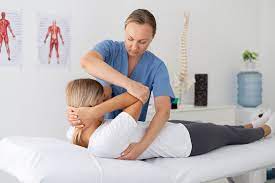
Introduction To M.Sc. Physiotherapy
Masters In Science (M.Sc.) In Physiotherapy Is A Postgraduate Program Designed For Individuals Who Aspire To Become Skilled Physiotherapists. This Program Equips Students With The Knowledge And Skills To Diagnose And Treat A Variety Of Physical Ailments And Conditions. In This Article, We'll Explore The Intricacies Of M.Sc. Physiotherapy, Its Significance, Educational Journey, Specializations, And Career Prospects.
Understanding The Importance Of Physiotherapy
Physiotherapy Plays A Crucial Role In Healthcare, Focusing On Restoring And Maintaining Physical Function And Mobility. It Is An Essential Part Of Rehabilitation, Injury Prevention, And Overall Well-Being. M.Sc. Physiotherapy Is Designed To Produce Professionals Who Can Effectively Address Musculoskeletal, Neurological, And Cardiorespiratory Issues.
The Educational Path To M.Sc. Physiotherapy
To Pursue An M.Sc. In Physiotherapy, Students Typically Need A Bachelor's Degree In Physiotherapy Or A Related Field. The Program Spans 2-3 Years And Includes Both Theoretical And Practical Components. Admission Requirements May Vary From One Institution To Another.
Specializations In M.Sc. Physiotherapy
M.Sc. Physiotherapy Offers Various Specializations, Including Orthopedics, Neurology, Pediatric, Sports, And Cardiopulmonary Physiotherapy. Each Specialization Equips Students With In-Depth Knowledge And Expertise In A Specific Area Of Practice.
How Can I Apply For Admission To M.Sc. Physiotherphy Program
To Apply For Admission To An M.Sc. Physiotherapy Program, You'll Need To Follow A Series Of Steps. Here's A General Guide On How To Apply:
Research And Choose A University/Institution: Start By Researching Universities Or Institutions That Offer M.Sc. Physiotherapy Programs. Look For Accredited And Reputable Institutions That Align With Your Academic And Career Goals.
Review Admission Requirements: Carefully Review The Admission Requirements For The Specific Program And Institution You Are Interested In. These Requirements Can Vary From One Place To Another But Typically Include The Following:
A Bachelor's Degree In Physiotherapy Or A Related Field.
Minimum Gpa Requirements.
Letters Of Recommendation.
Statement Of Purpose Or Personal Statement.
Relevant Standardized Test Scores (E.G., Gre, Toefl/Ielts For International Students).
Resume Or Curriculum Vitae.
Any Additional Requirements Specified By The Institution.
Prepare Your Documents: Gather All The Necessary Documents, Including Your Academic Transcripts, Letters Of Recommendation, Test Scores, And Any Other Required Materials. Ensure That Your Documents Are Up To Date And Accurate.
Write A Strong Personal Statement: Craft A Compelling Personal Statement That Explains Your Motivation For Pursuing An M.Sc. In Physiotherapy. Highlight Your Relevant Experience, Skills, And Aspirations In The Field.
Submit Your Application: Most Institutions Offer An Online Application Portal. Create An Account, Fill Out The Application Form, And Upload All The Required Documents. Pay The Application Fee If Applicable.
Pay Attention To Deadlines: Be Mindful Of Application Deadlines. Make Sure To Submit Your Application Well Before The Deadline To Avoid Any Last-Minute Complications.
Attend Interviews (If Required): Some Programs May Require Applicants To Attend Interviews As Part Of The Selection Process. Be Prepared To Discuss Your Qualifications And Goals.
Wait For Admission Decision: After Submitting Your Application, Patiently Wait For The Admission Committee's Decision. The Timeline For Receiving A Response Can Vary, So It's Important To Check Your Email Or Application Portal Regularly.
Accept Your Offer: If You Receive An Admission Offer, Carefully Review The Terms And Conditions. You May Need To Pay An Acceptance Fee And Confirm Your Enrollment.
Prepare For Enrollment: Once You've Accepted The Offer, Follow The Instructions Provided By The Institution To Complete Your Enrollment. This May Include Paying Tuition, Registering For Classes, And Providing Additional Documentation, Such As Proof Of Immunizations Or Background Checks.
Apply For Financial Aid (If Needed): If You Require Financial Assistance, Explore Scholarship And Financial Aid Options. Be Sure To Meet Any Deadlines For Financial Aid Applications.
Prepare For The Program: Before Starting Your M.Sc. Physiotherapy Program, Get Familiar With The Curriculum, Obtain Required Textbooks, And Make Any Necessary Arrangements For Accommodation And Transportation.
Remember That Specific Requirements And Processes Can Vary From One Institution To Another. It's Crucial To Visit The Official Website Of The University Or Institution You Are Interested In For Detailed Admission Guidelines And Contact Their Admissions Office If You Have Any Questions Or Need Assistance During The Application Process. Good Luck With Your Application!
What Is The Eligibility For M.Sc. Physiotherphy
The Eligibility Criteria For An M.Sc. In Physiotherapy Program Can Vary Depending On The Institution And The Specific Program. However, Here Are The Typical Eligibility Requirements You Can Expect:
Educational Background:
Candidates Must Have Completed A Bachelor's Degree In Physiotherapy Or A Related Field From A Recognized Institution.
The Bachelor's Degree Should Be Of A Specified Duration, Usually Four To Five Years, And Cover The Fundamental Principles Of Physiotherapy.
Minimum Gpa:
Most Programs Require A Minimum Grade Point Average (Gpa) In Your Undergraduate Studies. The Specific Gpa Requirement May Vary, But It's Often Around 3.0 On A 4.0 Scale.
Standardized Tests (If Applicable):
Some Institutions May Require Applicants To Submit Scores From Standardized Tests Such As The Graduate Record Examination (Gre) Or Language Proficiency Tests Like Toefl Or Ielts For International Students.
Letters Of Recommendation:
Typically, You'll Need To Provide Letters Of Recommendation From Professors, Healthcare Professionals, Or Individuals Who Can Vouch For Your Academic And Professional Qualifications.
Statement Of Purpose Or Personal Statement:
A Well-Crafted Statement Of Purpose Or Personal Statement That Outlines Your Motivation, Goals, And Reasons For Pursuing An M.Sc. In Physiotherapy Is Often Required.
Resume Or Curriculum Vitae:
Many Programs Request A Detailed Resume Or Curriculum Vitae (Cv) That Highlights Your Relevant Experiences, Including Internships, Clinical Work, And Research.
Interview (If Applicable):
Some Institutions May Require Applicants To Participate In An Interview As Part Of The Selection Process. Be Prepared To Discuss Your Qualifications And Aspirations In The Field.
Prerequisite Courses (If Applicable):
Certain Programs May Have Prerequisite Courses In Areas Like Anatomy, Physiology, Or Other Related Subjects. Ensure You Have Completed Any Required Prerequisites.
Licensing Or Accreditation (If Applicable):
Depending On Your Location And The Program, You May Need To Hold Relevant Physiotherapy Licenses Or Certifications To Be Eligible.
Work Experience (If Applicable):
Some M.Sc. Programs May Prefer Or Require Applicants To Have Prior Work Experience In The Field Of Physiotherapy Or A Related Healthcare Setting.
It's Essential To Note That Eligibility Criteria Can Vary Between Universities And Countries, So It's Crucial To Check The Specific Requirements Of The Institution Where You Plan To Apply. Always Consult The Official Website Of The University Or Program To Get The Most Accurate And Up-To-Date Information On Eligibility And Admission Requirements. Additionally, If You Have Any Doubts Or Need Further Assistance, Consider Reaching Out To The University's Admissions Office For Clarification.
How Long Does It Takes To Complete A M.Sc. Physiotherphy Program
The Duration Of An M.Sc. In Physiotherapy Program Typically Varies Depending On The University Or Institution Offering The Program And The Specific Curriculum They Follow. However, On Average, M.Sc. Physiotherapy Programs Usually Take 2 To 3 Years To Complete. Here's A Breakdown Of The Time Frame:
2-Year Program: Many M.Sc. Physiotherapy Programs Are Designed As Two-Year Full-Time Programs. In This Case, Students Can Complete The Program In 24 Months.
3-Year Program: Some Institutions Offer M.Sc. Physiotherapy Programs That Span Three Years. These Programs Are Often Structured To Provide Students With A More In-Depth And Comprehensive Education In The Field. The Three-Year Duration Allows For Additional Coursework And Clinical Training.
The Choice Between A 2-Year And A 3-Year Program May Depend On The Institution's Curriculum, The Depth Of Specialization, And The Specific Requirements Set By The Accrediting Bodies Or Licensing Authorities In The Region Where The Program Is Offered.
It's Essential To Check The Program Details And Duration Provided By The University Or Institution Where You Plan To Apply, As There Can Be Variations In The Program Structure And Duration. Additionally, Consider Whether The Program Offers Flexibility In Terms Of Part-Time Or Online Study Options, Which Can Affect The Overall Length Of The Program Based On Your Individual Needs And Circumstances.
What Are Potential Career Opportunities After M.Sc. Physiotherphy
After Completing An M.Sc. In Physiotherapy, You Will Have A Range Of Career Opportunities In The Field Of Physiotherapy And Related Healthcare Sectors. Here Are Some Potential Career Paths And Opportunities:
Clinical Physiotherapist: You Can Work In Hospitals, Clinics, And Private Practices, Providing Assessment, Diagnosis, And Treatment For Patients With Musculoskeletal, Neurological, Cardiorespiratory, And Other Physical Issues. Clinical Physiotherapists Work With Patients To Improve Their Mobility And Alleviate Pain.
Specialized Physiotherapist: You Can Specialize In Areas Such As Orthopedics, Neurology, Pediatrics, Sports, Cardiopulmonary, Or Geriatrics. Specialization Allows You To Focus On Specific Patient Populations Or Conditions, Providing More Specialized Care.
Sports Physiotherapist: If You Have A Passion For Sports And Exercise, You Can Work With Athletes And Sports Teams To Prevent And Treat Injuries, Improve Performance, And Aid In Rehabilitation.
Geriatric Physiotherapist: Specializing In Geriatrics Allows You To Work With Elderly Patients To Improve Their Mobility, Manage Age-Related Conditions, And Enhance Their Overall Quality Of Life.
Neurological Physiotherapist: This Specialization Involves Working With Patients Who Have Neurological Conditions, Such As Stroke, Multiple Sclerosis, Or Parkinson's Disease, To Help Them Regain Their Physical Function And Independence.
Pediatric Physiotherapist: Working With Children And Infants, Pediatric Physiotherapists Help With Developmental Issues, Congenital Conditions, And Injuries In Young Patients.
Cardiopulmonary Physiotherapist: Focusing On Heart And Lung Conditions, You Can Work In Cardiac Rehabilitation Programs And Assist Patients Recovering From Heart Surgery Or Managing Respiratory Issues.
Academic And Research Positions: With An M.Sc., You Can Pursue Teaching Or Research Positions At Universities, Contributing To The Advancement Of Knowledge In The Field Of Physiotherapy.
Clinical Educator: As A Clinical Educator, You Can Train And Mentor Aspiring Physiotherapy Students During Their Clinical Placements And Internships.
Private Practice Owner: After Gaining Experience, You Can Establish Your Own Physiotherapy Practice, Giving You The Autonomy To Provide Specialized Services To A Diverse Clientele.
Consultant: You Can Provide Consultation Services To Healthcare Institutions, Organizations, Or Sports Teams, Offering Expert Advice On Injury Prevention, Rehabilitation, And Wellness.
Community Health And Rehabilitation: Work In Community Health Settings, Helping Individuals With Disabilities Or Chronic Conditions To Improve Their Function And Lead More Independent Lives.
Occupational Health And Ergonomics: Focus On Workplace Health And Safety, Helping Companies Create Ergonomic Work Environments And Addressing Employee Health Concerns.
Government And Public Health: You Can Work In Government Health Departments, Contributing To Public Health Initiatives And Programs Aimed At Preventing Injuries And Promoting Physical Well-Being.
Telehealth Physiotherapist: With The Growth Of Telehealth, You Can Provide Remote Physiotherapy Services, Enabling You To Reach Patients Across A Wider Geographic Area.
The Demand For Physiotherapists Continues To Grow, Making It A Dynamic And Promising Career Choice. You May Also Have The Opportunity To Work In Various Settings, Including Hospitals, Rehabilitation Centers, Sports Facilities, Schools, And Private Clinics. Your Career Path Can Be Shaped By Your Interests, Specialization, And The Specific Needs Of Your Community Or Region.
Syllabus Of M.Sc. Physiotherphy
Semester 1
|
Course |
Credits |
Description |
|
Research Methodology And Biostatistics |
3 |
Introduction To Research Methods And Statistical Analysis. |
|
Advanced Anatomy |
3 |
In-Depth Study Of Human Anatomy And Its Clinical Relevance. |
|
Physiology And Pathophysiology |
3 |
Understanding Physiological Processes And Their Disorders. |
|
Physiotherapy Assessment And Evaluation |
3 |
Techniques For Patient Assessment And Evaluation. |
|
Clinical Observation And Training |
4 |
Practical Experience In A Clinical Setting. |
Semester 2
|
Course |
Credits |
Description |
|
Orthopedic Physiotherapy |
3 |
Advanced Techniques For Orthopedic Conditions And Rehabilitation. |
|
Neurological Physiotherapy |
3 |
Specialized Care For Patients With Neurological Disorders. |
|
Cardiopulmonary And Geriatric Physiotherapy |
3 |
Focus On Heart And Lung Conditions And Care For The Elderly. |
|
Research Project (Part I) |
4 |
Start Working On A Research Project Under Faculty Guidance. |
Semester 3
|
Course |
Credits |
Description |
|
Pediatric And Obstetric Physiotherapy |
3 |
Specialized Care For Children And Expectant Mothers. |
|
Sports Physiotherapy |
3 |
Rehabilitation And Performance Enhancement In Sports. |
|
Elective Course |
3 |
Choose From Various Electives Based On Your Interest. |
|
Research Project (Part Ii) |
4 |
Continue Working On Your Research Project. |
Semester 4
|
Course |
Credits |
Description |
|
Biomechanics And Kinesiology |
3 |
Study Of Movement And Its Mechanical Principles In Physiotherapy. |
|
Healthcare Management And Ethics |
3 |
Understanding Healthcare Systems, Ethics, And Management. |
|
Clinical Internship And Thesis Work |
12 |
In-Depth Clinical Experience And Completion Of The Research Thesis. |
Internship Opportunities After Completing M.Sc. Physiotherphy
After Completing An M.Sc. In Physiotherapy, There Are Numerous Internship Opportunities Available To Gain Practical Experience And Further Develop Your Skills. Internships Are Crucial For Building Your Career As A Physiotherapist. Here Are Some Common Internship Opportunities:
Clinical Internships: These Are The Most Common Internships For Physiotherapy Graduates. You Can Intern In Hospitals, Rehabilitation Centers, Private Clinics, Or Sports Facilities. During Your Clinical Internship, You Will Work Directly With Patients Under The Supervision Of Experienced Physiotherapists. You'll Assess, Diagnose, And Treat A Variety Of Conditions, Gaining Hands-On Experience.
Specialized Clinical Internships: If You Have A Specific Interest Or Specialization, Such As Orthopedics, Neurology, Pediatrics, Or Sports Physiotherapy, You Can Seek Internships In Specialized Settings. For Example, You Can Intern With A Sports Team Or In A Pediatric Hospital To Gain Specialized Experience.
Geriatric Care Internships: These Internships Focus On Working With The Elderly Population, Helping Them With Mobility, Pain Management, And Improving Their Quality Of Life. You Can Intern In Nursing Homes, Assisted Living Facilities, Or Community Health Centers.
Research Internships: If You Are Interested In Research And Academia, You Can Intern At Research Institutions Or Universities. These Internships Involve Working On Research Projects, Data Analysis, And Contributing To The Advancement Of Physiotherapy Knowledge.
Telehealth Internships: With The Growth Of Telehealth Services, You Can Intern With Organizations Or Private Practices That Offer Remote Physiotherapy Services. This Internship Will Allow You To Gain Experience In Providing Virtual Care And Remote Consultations.
Industrial Or Occupational Health Internships: These Internships Focus On Workplace Health And Safety. You Can Work With Companies To Assess And Improve The Ergonomics Of Workspaces, Prevent Workplace Injuries, And Provide Physiotherapy Services To Employees.
Global Health Internships: For Those Interested In International Experiences, You Can Explore Internships In Global Health Settings. This May Involve Working With Ngos Or Volunteering In Underserved Communities To Provide Physiotherapy Services.
Home Health Care Internships: Home Health Care Agencies Often Hire Physiotherapists To Provide Services To Patients In Their Homes. This Type Of Internship Allows You To Gain Experience In Delivering Care In A Non-Clinical Setting.
Government And Public Health Internships: You Can Intern With Government Health Departments Or Public Health Organizations, Contributing To Public Health Initiatives, Health Education Programs, And Community Outreach.
Pediatric And School Internships: If You Have An Interest In Working With Children, You Can Intern In Schools, Pediatric Hospitals, Or Early Intervention Programs, Helping Children With Developmental Issues And Disabilities.
These Internship Opportunities Provide Valuable Practical Experience And May Lead To Job Offers Or Connections Within The Industry. Be Sure To Check With Your University's Career Services Or Academic Advisors To Explore Internship Options, And Consider Networking With Professionals In Your Area To Identify Potential Opportunities That Align With Your Career Goals And Interests.
Scholarship And Grants For M.Sc. Physiotherphy
Scholarships And Grants Can Significantly Ease The Financial Burden Of Pursuing An M.Sc. In Physiotherapy. While The Availability Of Scholarships May Vary By Institution And Region, Here Are Some Common Sources Of Financial Support You Can Explore:
University Scholarships: Many Universities Offer Merit-Based And Need-Based Scholarships To M.Sc. Physiotherapy Students. These Scholarships May Be Awarded Based On Your Academic Performance, Leadership Skills, Or Financial Need. Check With The University You Plan To Attend For Information On Available Scholarships.
Government Scholarships: In Some Countries, Government Bodies Or Ministries Of Education Offer Scholarships To Students Pursuing Postgraduate Degrees In Healthcare-Related Fields. These Scholarships May Be Awarded Based On Academic Achievement And May Have Service Obligations.
Professional Associations: Physiotherapy Professional Associations And Organizations May Offer Scholarships Or Grants To Students Pursuing M.Sc. Physiotherapy Programs. These Awards Can Help Support Your Education And Career Development. Examples Include The American Physical Therapy Association (Apta) In The United States.
Research Grants: If You Are Interested In Research, You Can Explore Research Grants Provided By Government Agencies, Foundations, And Institutions. These Grants May Support Your Research Projects And Help Cover Tuition And Living Expenses.
Hospital Or Healthcare System Scholarships: Some Hospitals And Healthcare Systems Offer Scholarships To Students With A Commitment To Working Within Their Healthcare Network After Graduation. These Scholarships Often Include Tuition Support In Exchange For A Service Commitment.
Private Foundations And Nonprofits: Numerous Private Foundations And Nonprofit Organizations Offer Scholarships To Students Pursuing Healthcare Degrees. Some Of These May Be Specific To Physiotherapy Or Related Fields.
Athletic Scholarships: If You Have A Background In Sports And Are Pursuing A Specialization In Sports Physiotherapy, Some Universities Offer Athletic Scholarships For Those Who Can Contribute To Their Sports Teams While Studying.
International Scholarships: If You Plan To Study Abroad, Explore Scholarships For International Students Offered By Host Countries Or International Organizations. These Scholarships Can Help Cover Tuition And Living Expenses.
Diversity And Inclusion Scholarships: Some Scholarships Are Specifically Designed To Promote Diversity And Inclusion In The Healthcare Field. These Scholarships Aim To Support Underrepresented Groups In Physiotherapy.
Online Scholarship Databases: Utilize Online Scholarship Search Engines And Databases Like Fastweb, Scholarships.Com, Or The College Board's Scholarship Search To Find Scholarships That Match Your Qualifications And Interests.
Employer Tuition Assistance: If You Are Already Working In A Healthcare-Related Field, Inquire With Your Employer About Tuition Assistance Or Reimbursement Programs. Some Employers Support Employees In Furthering Their Education.
When Searching For Scholarships And Grants, Be Sure To Carefully Read The Eligibility Criteria, Application Deadlines, And Requirements. Prepare A Strong Application That Highlights Your Qualifications, Achievements, And Reasons For Pursuing An M.Sc. In Physiotherapy. Additionally, Consider Reaching Out To The Financial Aid Or Scholarship Offices At The Universities You're Interested In To Inquire About Available Opportunities And Application Procedures.
Conclusion
M.Sc. Physiotherapy Is A Dynamic Field That Empowers Individuals To Make A Difference In People's Lives. Whether It's Helping A Patient Recover From An Injury Or Enhancing Someone's Quality Of Life, Physiotherapists Play A Vital Role In Healthcare.
FAQ,s
What Is M.Sc. Physiotherapy?
M.Sc. Physiotherapy Is A Postgraduate Program That Focuses On Advanced Studies In Physiotherapy. It Equips Students With The Knowledge And Skills To Assess, Diagnose, And Treat A Wide Range Of Physical Conditions And Injuries.
What Are The Prerequisites For Enrolling In An M.Sc. Physiotherapy Program?
Generally, You Need A Bachelor's Degree In Physiotherapy Or A Related Field. Specific Admission Requirements May Vary By Institution.
How Long Does It Take To Complete An M.Sc. Physiotherapy Program?
M.Sc. Physiotherapy Programs Typically Take 2 To 3 Years To Complete, Depending On The Institution And Program Structure.
What Are The Specialization Options In M.Sc. Physiotherapy?
Specializations Can Include Orthopedics, Neurology, Pediatrics, Sports, And Cardiopulmonary Physiotherapy, Among Others. Specialization Allows Students To Focus On Specific Areas Of Practice.
What Is The Career Outlook For M.Sc. Physiotherapy Graduates?
Graduates Have A Wide Range Of Career Opportunities, Including Working In Hospitals, Clinics, Sports Institutions, And Private Practices. The Demand For Physiotherapists Is Growing, Providing A Promising Job Market.
What Skills Are Essential For Success In The Field Of Physiotherapy?
Key Skills Include Strong Communication, Empathy, Adaptability, Teamwork, Problem-Solving, And A Passion For Helping People Regain Their Physical Well-Being.
Are Physiotherapists Required To Be Licensed Or Accredited?
In Many Regions, Physiotherapists Are Required To Be Licensed And Accredited. This Ensures That They Meet The Necessary Standards And Guidelines To Provide Safe And Effective Care To Patients.
What Are Some Challenges In The Field Of Physiotherapy?
Challenges May Include Physically Demanding Work, Dealing With Patients' Pain, Staying Updated With The Latest Research, And Providing Individualized Care.
Is Research A Significant Part Of M.Sc. Physiotherapy Programs?
Research Is Often An Integral Component Of M.Sc. Physiotherapy Programs. Students May Conduct Research Projects And Contribute To Advancements In The Field.
What Is The Future Of M.Sc. Physiotherapy?
The Future Looks Promising With A Growing Demand For Skilled Professionals. As Healthcare Evolves, Physiotherapists Will Play An Increasingly Significant Role In Ensuring The Well-Being Of The Population.
How Shiksha Hub helps you in
-
 Student Counsellors
 -
 Career Counseling
 -
 Research
 -
 24/7 Support
 -
 Scholarships
 -
 Community