Posted by Admin on 04-01-2025 in Shiksha hub
Indian Veterinary Research Institute: Introduction, Vision & Mission, Skill Development, University Highlights, University Ranking, Affiliations, Campus Life, Academic Programs, Admissions, Application Process, Placements, FAQs
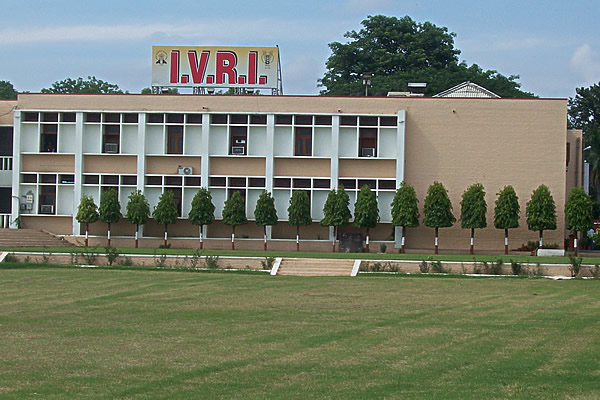
Introduction About Indian Veterinary Research Institute
The Indian Veterinary Research Institute (IVRI), located in Izatnagar, Bareilly, Uttar Pradesh, is one of the premier institutions in India dedicated to advanced research, education, and extension in the field of veterinary and animal sciences. Established in 1889, IVRI has played a pivotal role in transforming the veterinary landscape of the country, producing highly skilled veterinarians, researchers, and animal health professionals who contribute significantly to the livestock and allied sectors. Over the years, the institute has evolved into a multifaceted hub of innovation, offering a variety of academic programs while simultaneously spearheading pathbreaking studies on animal diseases, vaccine development, and animal genetics.
The sprawling campus of IVRI is equipped with state-of-the-art laboratories, modern classrooms, and specialized research facilities for fields such as animal biotechnology, epidemiology, pathology, and pharmacology. Students benefit from a hands-on learning environment where theoretical knowledge is seamlessly integrated with practical exposure to clinical settings, diagnostic centers, and fieldwork. The institute’s distinguished faculty comprises seasoned academicians, industry experts, and leading researchers who guide students to stay abreast of cutting-edge developments in veterinary science.
IVRI has consistently played a crucial role in national animal health programs, partnering with government agencies, private corporations, and international organizations to address a broad range of issues, including disease surveillance, livestock productivity enhancement, and sustainable farming practices. Its focus on community outreach and extension activities ensures that scientific breakthroughs reach rural and urban settings alike, improving animal health and livelihoods across the nation. With a rich legacy spanning over a century, IVRI continues to shape the future of veterinary science in India and beyond, preparing the next generation of veterinarians to tackle emerging challenges in animal health, public safety, and ecosystem management.
Indian Veterinary Research Institute Vision & Mission
Vision: To emerge as a globally recognized center of excellence in veterinary research, education, and extension, driving innovation and sustainable practices in animal health, production, and welfare. By fostering a collaborative environment, the institute aspires to set new benchmarks in disease management, vaccine development, and technological advancements that strengthen the livestock sector and ensure food security.
Mission: Indian Veterinary Research Institute is dedicated to:
- Imparting world-class veterinary education that seamlessly integrates theoretical knowledge with practical exposure.
- Conducting pioneering research aimed at developing cost-effective and sustainable solutions for disease prevention and animal welfare.
- Offering comprehensive extension services to rural communities, thereby promoting inclusive growth and bridging the gap between research and field application.
- Collaborating with national and international stakeholders to address global challenges in veterinary science and animal husbandry.
- Cultivating a culture of continuous learning, critical thinking, and professional ethics among students, faculty, and researchers.
Indian Veterinary Research Institute Skill Development
Skill development stands at the forefront of IVRI’s educational philosophy, ensuring that students and professionals are well-prepared to meet the evolving demands of the veterinary and animal science domains. The institute prioritizes experiential learning, offering numerous hands-on training modules, workshops, and internships that expose learners to real-world challenges. Whether it’s learning advanced diagnostic techniques or honing surgical skills, IVRI emphasizes a blend of theoretical instruction and practical engagement.
Students and trainees have access to cutting-edge equipment in pathology labs, vaccine production units, and biotechnology centers, giving them the opportunity to develop specialized competencies that are highly valued in the job market. Additionally, IVRI actively encourages participation in research projects, where students collaborate with experienced scientists to investigate critical topics such as zoonotic diseases, new vaccine development, and biotechnological advancements for livestock improvement. Seminars, webinars, and continuing education programs further aid in enhancing soft skills like leadership, teamwork, and communication—all crucial for success in multidisciplinary veterinary settings. By integrating both practical expertise and interpersonal proficiencies, IVRI ensures that its graduates are dynamic, forward-thinking, and equipped to excel across various sectors, from clinical veterinary practice to pharmaceutical research.
Indian Veterinary Research Institute Highlights
| Highlight | Details |
|---|---|
| Establishment Year | 1889 |
| Location | Izatnagar, Bareilly, Uttar Pradesh |
| Accreditation | ICAR (Indian Council of Agricultural Research) |
| Research Focus Areas | Animal Pathology, Vaccine Development, Molecular Biology |
| Campus Size | Over 300 acres |
| Faculty Strength | 100+ Experienced Scholars & Scientists |
| Student Enrollment | 1,000+ Across UG, PG & Doctoral Programs |
| Collaborations | National & International Research Bodies |
| Extension Activities | Rural Clinics, Immunization Drives, Community Outreach |
Indian Veterinary Research Institute Ranking
| Year | National Ranking (Vet Science) | Global Ranking (Vet Science) |
|---|---|---|
| 2019 | 3 | 150 |
| 2020 | 2 | 120 |
| 2021 | 2 | 110 |
| 2022 | 1 | 90 |
Indian Veterinary Research Institute Affiliations
| Organization | Nature of Affiliation |
|---|---|
| Indian Council of Agricultural Research (ICAR) | Admin & Research Coordination |
| World Organisation for Animal Health (OIE) | Reference Lab & Collaboration |
| Department of Animal Husbandry | Government Partnerships |
| National Institutes of Health (NIH) | Joint Research Initiatives |
| FAO & WHO | Global Health Projects |
| State Veterinary Departments | Field Programs & Extension |
| Private Pharmaceutical Firms | R&D Collaborations |
| Veterinary Universities Abroad | Academic Exchange & Dual Degrees |
| NGOs | Community Welfare Projects |
Indian Veterinary Research Institute Campus Life
Indian Veterinary Research Institute offers a vibrant and intellectually stimulating campus environment that combines rigorous academic pursuits with numerous opportunities for personal growth. The sprawling campus, dotted with lush greenery and well-maintained facilities, reflects the institute’s commitment to sustainability and animal welfare. Students have access to modern laboratories, specialized clinics, and a rich library system that houses extensive research material in veterinary science and allied fields. Beyond academics, IVRI encourages a spirit of camaraderie and holistic development, hosting a variety of extracurricular activities including sports meets, cultural festivals, and student-led seminars.
The institute also fosters a strong sense of community by organizing events that bring together faculty, students, and staff for collaborative projects, debates, and workshops. Hostel accommodations, dining services, and recreational areas are meticulously designed to ensure a comfortable living experience, allowing students to focus on their studies and research engagements. Additionally, the presence of international students and visiting scholars from around the world lends a multicultural flair to the campus, broadening perspectives and encouraging cross-cultural exchanges. Overall, the campus life at IVRI is dynamic yet supportive, offering an ideal setting for aspiring veterinarians and researchers to hone their skills and contribute meaningfully to the world of veterinary science.
Indian Veterinary Research Institute Academic Programs
| Program Level | Programs Offered |
|---|---|
| Undergraduate (UG) |
|
| Postgraduate (PG) |
|
| Doctoral (Ph.D.) |
|
Indian Veterinary Research Institute Admissions and Application Process
- Check Eligibility: Ensure you meet the academic prerequisites, including the required entrance exams and minimum grade criteria.
- Entrance Examination: Appear for relevant national-level or institute-specific entrance tests (e.g., ICAR AIEEA for UG/PG programs).
- Online Application: Fill out the application form on the official IVRI website or the designated portal, providing accurate personal and academic details.
- Document Submission: Upload scanned copies of mark sheets, certificates, and proof of identification before the specified deadline.
- Merit List: IVRI releases a merit list or rank list based on entrance exam scores, academic performance, and availability of seats.
- Counseling & Seat Allotment: Attend counseling sessions (online or offline) to finalize your seat in the preferred program.
- Fee Payment & Enrollment: Pay the requisite admission fee to confirm your seat. Complete any additional enrollment formalities as instructed.
- Orientation: Participate in the orientation program to familiarize yourself with campus facilities, faculty, and course structures.
Indian Veterinary Research Institute Faculty and Research
The faculty at Indian Veterinary Research Institute is a cohesive team of renowned academicians, industry professionals, and research scientists who bring years of specialized experience to the classroom and laboratory. Their commitment to quality education is evident in the diverse pedagogical methods employed, which include interactive lectures, problem-based learning modules, case studies, and field visits. Many faculty members have earned accolades for groundbreaking research in areas such as vaccine development, animal genetics, and zoonotic disease control. In addition to their teaching responsibilities, they actively mentor students, encouraging them to undertake original research projects that address pressing issues in animal health and welfare.
Collaborative research lies at the heart of IVRI’s ethos, as faculty members frequently partner with international organizations, government agencies, and private sector stakeholders to develop sustainable solutions that benefit both animals and communities. These initiatives range from designing cost-effective diagnostic kits and vaccines to implementing surveillance programs that track emerging diseases. Notably, the institute emphasizes multidisciplinary collaboration, bridging veterinary science with fields like biotechnology, pharmacy, and agricultural economics to foster comprehensive problem-solving approaches.
- Global Recognition: Numerous faculty members have published in high-impact international journals, elevating IVRI’s global reputation.
- Industry Engagement: Regular partnerships with pharmaceutical companies and animal health firms enable faculty-led R&D projects with real-world applications.
- Research Funding: Funding from national and international bodies like ICAR, DBT, and WHO supports diverse projects across multiple veterinary disciplines.
- Student Involvement: Graduate and postgraduate students often join ongoing faculty research, gaining hands-on experience and practical insights into cutting-edge science.
Indian Veterinary Research Institute Student Support Services
- Well-Stocked Library & Digital Resources
- Dedicated Career Guidance & Placement Cell
- Hostel & Dining Facilities with Healthful Meal Plans
- Scholarship & Financial Aid Programs
- Medical & Counseling Services on Campus
- Sports Complex & Recreational Activities
- Clubs & Societies for Cultural, Technical, and Community Engagement
- Alumni Network for Mentorship & Networking
Why Choose Indian Veterinary Research Institute ?
Aspiring veterinarians and researchers often find IVRI to be an ideal destination due to its holistic approach to veterinary education, cutting-edge research, and committed community outreach. The institute’s enduring legacy, dating back to the late 19th century, speaks to its consistent contributions in advancing animal health, nutrition, and disease management. IVRI’s broad network of national and international collaborations facilitates exposure to the latest scientific innovations, ensuring that students and faculty stay ahead of the curve in veterinary science.
Another compelling reason to choose IVRI is the institute’s robust focus on practical training, which goes beyond textbooks and lectures. State-of-the-art laboratories, diagnostic clinics, and dedicated research centers enable hands-on experimentation and clinical practice, giving learners a competitive edge. With a curriculum designed to address contemporary challenges—like the rise of zoonotic diseases, climate change impacts on livestock, and the quest for sustainable agriculture—graduates are well-prepared to assume leadership roles in academia, industry, or government sectors. This blend of legacy, innovation, and pragmatic training ensures that IVRI remains a beacon for veterinary aspirants who are eager to effect tangible, positive change in animal and human well-being.
Indian Veterinary Research Institute Placements
- Graduates recruited by top pharmaceutical companies, veterinary hospitals, and research labs
- Opportunities for government employment in state animal husbandry departments
- Campus placement drives and job fairs organized annually
- Internships leading to full-time roles in leading agri-tech and biotech firms
- Strong alumni network providing industry referrals and mentorship
- Positions in academia, including faculty and research fellowships at reputed institutions
Indian Veterinary Research Institute FAQs
1. What academic programs are offered at IVRI?
IVRI provides UG, PG, and Ph.D. programs in veterinary science and allied disciplines, including B.V.Sc. & A.H., M.V.Sc. in multiple specializations, and doctoral degrees in veterinary sciences and biotechnology.
2. How can I apply for admission to IVRI?
Prospective students must appear for relevant entrance exams (e.g., ICAR AIEEA) and then complete the online application process through IVRI’s official website or the designated portal.
3. Does IVRI offer any scholarship programs?
Yes, the institute offers scholarships and financial aid for meritorious and economically disadvantaged students. Several government and private grants are also available for research and academic excellence.
4. What research opportunities exist for students?
Students can collaborate with faculty on funded projects in areas like vaccine development, diagnostics, epidemiology, and biotechnology. They also gain exposure through internships at research labs and partnerships with industry.
5. Are there hostel facilities on campus?
Yes, IVRI provides separate hostel accommodations for male and female students, along with dining halls, recreational areas, and 24/7 security.
6. Does IVRI have collaborations with foreign universities?
Indeed, the institute partners with various international veterinary universities and research organizations, facilitating academic exchange and joint research initiatives.
7. What kind of placements can I expect after graduation?
IVRI graduates often secure roles in veterinary clinics, research institutions, pharmaceutical companies, and government agencies. The institute’s placement cell conducts regular drives and job fairs to assist students.
8. Can international students enroll at IVRI?
Yes, international applicants are welcome to apply, subject to fulfilling eligibility criteria and obtaining the necessary student visas. The institute provides specialized support to help them adapt to campus life.
9. What is the medium of instruction at IVRI?
The medium of instruction is primarily English, although Hindi and other regional languages may be used in community outreach programs and extension services.
10. Is there a focus on practical training at IVRI?
Absolutely. IVRI emphasizes hands-on experience, providing state-of-the-art labs, clinical exposure, field visits, and internship programs to ensure students gain essential practical skills.
How Shiksha Hub helps you in
-
 Student Counsellors
 -
 Career Counseling
 -
 Research
 -
 24/7 Support
 -
 Scholarships
 -
 Community